
Building a recognizable brand takes years. Companies invest countless hours refining their message, improving customer experiences, and earning trust. Yet a brand’s reputation can start slipping much faster than it was built.
Many businesses focus so heavily on growth that they overlook the impact their decisions have on brand perception. A new product launch, an unexpected expansion, or a decline in quality standards may seem harmless at first. Over time, however, those choices can weaken what made the brand valuable in the first place.
This is where brand dilution becomes a serious concern.
\\Understanding what brand dilution is and how it affects businesses is important for companies of every size. Whether you’re running a startup, managing a local business, or leading a global corporation, protecting your brand should remain a top priority.
What Is Brand Dilution?

Think about a brand you genuinely trust. Maybe it’s Apple, Nike, Starbucks, or even a local business in your community.
Now imagine that same brand suddenly starts offering products that seem completely unrelated to its reputation. Chances are you’d pause and wonder what happened.
That’s the essence of brand dilution.
Brand dilution occurs when a company’s identity, uniqueness, or perceived value weakens in consumers’ minds. Customers begin losing the strong associations they once had with the brand. Instead of standing for something specific, the brand becomes less distinctive and less memorable.
In many cases, dilution happens gradually. Businesses rarely wake up one morning and intentionally damage their brand. The problem usually develops through a series of decisions that slowly blur the company’s identity.
One of the clearest signs is customer confusion. People struggle to explain what the brand represents or why it differs from competitors.
Another warning sign is reduced emotional connection. Customers may still recognize the brand, but the loyalty and enthusiasm start fading.
Strong brands occupy a unique space in consumers’ minds. Brand dilution weakens that position and makes it easier for competitors to gain attention.
Brand Dilution vs. Brand Extension
Many marketers confuse brand dilution with brand extension. While they are related, they are not the same thing.
Brand extension is a growth strategy. Companies use their existing reputation to introduce new products, services, or market offerings. When done well, it can strengthen brand equity and increase revenue.
Apple provides a perfect example. The company successfully expanded from computers into smartphones, tablets, smartwatches, and streaming services. Each product reinforced Apple’s reputation for innovation and simplicity.
Customers immediately understood the connection.
Brand dilution occurs when an extension feels disconnected from the brand’s identity.
A famous example is Colgate’s attempt to launch frozen meals in the 1980s. Consumers strongly associated Colgate with toothpaste and oral care. Frozen dinners felt completely out of place, making the extension difficult to accept.
The lesson is simple. Growth should strengthen existing brand perceptions, not challenge them.
If customers have to ask, “Why is this company selling that?” there may be a branding problem.
What Causes Brand Dilution?
Overexpansion, Product Line Extensions, and Entering Unrelated Markets
Growth can be exciting. It creates new opportunities, attracts investors, and increases visibility.
However, expansion without a clear strategy often creates unintended consequences.
One of the biggest causes of brand dilution is overexpansion. Businesses become successful in one area and assume they can replicate that success across countless product categories.
Sometimes that works.
Often, it doesn’t.
Harley-Davidson learned this lesson when it introduced branded perfume. The company had spent decades building a rugged image associated with motorcycles, freedom, and adventure. Perfume felt disconnected from those values.
Customers noticed immediately.
The same risk appears when companies enter unrelated industries. Consumers trust brands because they associate them with expertise. Moving too far away from that expertise can weaken credibility.
Successful growth feels natural. Customers should instantly understand why a brand is expanding into a new category.
When the connection isn’t obvious, confusion usually follows.
Inconsistent Branding, Poor Customer Experiences, and Quality Declines
Brand dilution doesn’t always come from expansion. Sometimes it starts with inconsistency.
A business may advertise exceptional customer service while delivering average experiences. Another may promise premium quality while cutting corners behind the scenes.
Customers quickly recognize these gaps.
Trust is built through consistency. Every interaction contributes to a customer’s perception of a brand. When messaging, quality, or service standards become inconsistent, confidence begins to erode.
Consider a restaurant known for outstanding food. If several visits result in disappointing meals, customers start questioning the restaurant’s reputation.
The same principle applies to every industry.
Quality declines can be particularly damaging because they directly impact customer expectations. Once people begin questioning quality, rebuilding confidence becomes significantly harder.
Consistency isn’t glamorous, but it’s one of the most powerful brand-building tools available.
How Brand Dilution Affects Businesses and Brand Equity
Impact on Customer Trust, Brand Loyalty, and Consumer Perception

Trust takes years to build and moments to lose.
Consumers develop relationships with brands much like they develop relationships with people. They rely on consistency, reliability, and positive experiences.
When a brand becomes diluted, those relationships begin to weaken.
Customers may no longer feel confident recommending the brand to friends or family. Loyal buyers might start exploring alternatives. Even small shifts in perception can have a significant impact over time.
Brand loyalty often depends on emotional connections. People don’t just buy products. They buy stories, values, and experiences.
When those elements become unclear, loyalty starts fading.
Social media has made this challenge even more visible. Negative experiences spread quickly, and public perception can change almost overnight.
Brands that lose customer trust often find it difficult to regain the same level of loyalty they once enjoyed.
Financial Consequences: Reduced Brand Value, Market Share, and Profitability
Brand dilution affects more than reputation. It directly impacts financial performance.
Strong brands often command premium prices because customers perceive greater value. Once dilution occurs, that pricing power weakens.
Consumers become less willing to pay extra when a brand no longer feels unique.
Market share can also suffer. Competitors with stronger positioning frequently attract customers who feel disconnected from a diluted brand.
According to Interbrand’s annual Best Global Brands rankings, companies with strong brand equity consistently outperform many competitors in terms of long-term value creation.
The connection isn’t surprising.
A trusted brand attracts customers more efficiently, retains them longer, and generates stronger profit margins.
When brand equity declines, revenue growth often becomes more difficult to sustain.
Real-World Examples of Brand Dilution and Lessons Businesses Can Learn
Famous Brand Dilution Examples from Global Companies
History offers several memorable examples of brand dilution.
One of the most famous involves Colgate Kitchen Entrees. Consumers struggled to connect a toothpaste brand with frozen dinners. Despite strong brand recognition, the product failed because it felt disconnected from customer expectations.
Harley-Davidson’s perfume launch faced a similar challenge. Customers loved the motorcycle brand for its rugged identity, but perfume didn’t fit that image.
These examples reveal an important truth.
Brand recognition alone isn’t enough. Relevance matters as much.
The strongest brands grow strategically. They expand into areas that align naturally with their values and customer expectations.
Common Warning Signs That Your Brand Is Becoming Diluted
Brand dilution rarely happens overnight.
Several warning signs often appear before serious damage occurs.
Customers may struggle to describe what makes the brand unique. Marketing campaigns might generate attention but fail to strengthen customer loyalty.
Negative feedback can also increase. Consumers may question product quality, company direction, or overall consistency.
Another common sign is declining engagement despite larger marketing budgets. Spending more while receiving weaker results often indicates deeper brand issues.
Business leaders should regularly monitor customer sentiment, reviews, and brand perception studies.
Early action is far easier than repairing a damaged reputation later.
How Businesses Can Prevent and Recover from Brand Dilution
Proven Strategies to Protect Brand Identity and Maintain Brand Consistency
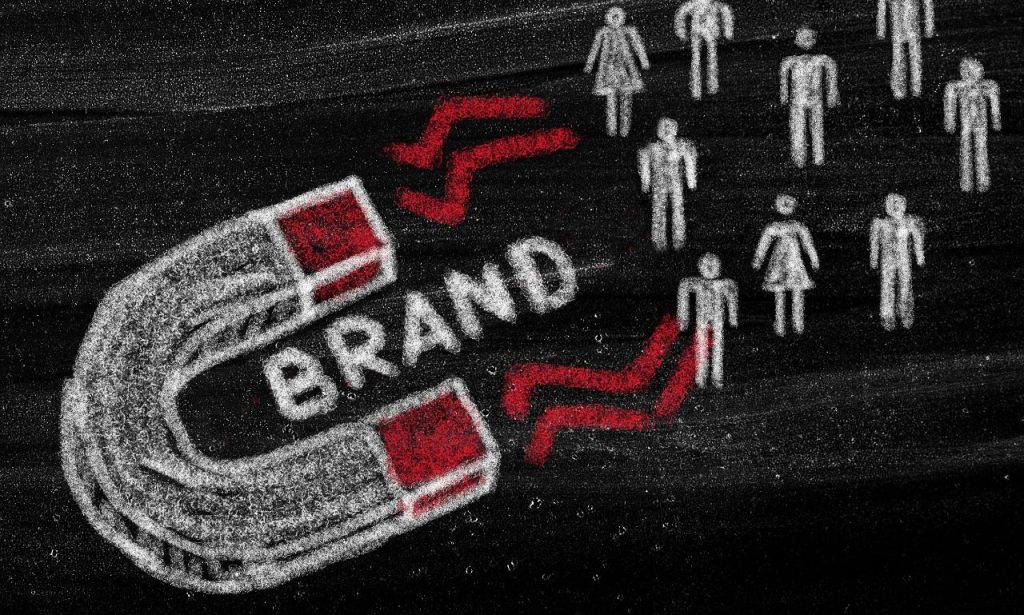
Protecting a brand requires discipline.
Successful businesses establish clear guidelines for messaging, visual identity, customer service, and product quality. These standards create consistency across every customer interaction.
Before launching a new product, companies should evaluate whether it aligns with their core identity.
Ask yourself a simple question: Would loyal customers immediately understand why we’re offering this?
If the answer is no, additional consideration may be necessary.
Listening to customers also plays a critical role. Feedback often reveals problems before they become serious threats.
Strong brands remain focused on delivering consistent experiences while adapting carefully to changing market conditions.
Growth should strengthen a brand, not dilute it.
Can a Diluted Brand Be Fixed? Recovery, Rebranding, and Reputation Rebuilding
Fortunately, brand dilution isn’t always permanent.
Many companies have successfully rebuilt their reputations by returning to their core strengths.
Apple’s turnaround under Steve Jobs remains one of the most discussed examples in business history. The company simplified its product lineup, sharpened its focus, and reinforced the values customers loved.
Recovery begins with honesty.
Businesses must identify the cause of the dilution and determine which aspects of the brand still resonate with customers.
Rebranding can help, but cosmetic changes alone rarely solve deeper issues. Real recovery requires better products, improved customer experiences, and consistent communication.
The process takes time.
Trust cannot be rebuilt overnight. Still, brands that commit to meaningful improvements often emerge stronger than before.
Conclusion
Understanding what brand dilution is and how it affects businesses can help organizations avoid costly mistakes and protect one of their most valuable assets.
A strong brand creates trust, loyalty, and competitive advantage. A diluted brand creates confusion and weakens customer relationships. The difference often comes down to consistency, strategic growth, and a clear understanding of what customers expect.
Before launching your next product or entering a new market, take a moment to consider how the decision affects your brand identity.
Growth is important. Protecting what made your brand successful is even more important.
Also Read: How Do Brands Recover From Negative Publicity?
FAQs
Brand dilution occurs when a brand’s identity, value, or uniqueness becomes weaker in consumers’ minds.
Common causes include overexpansion, inconsistent branding, declining quality, and poor customer experiences.
Yes. Extensions that don’t align with a brand’s core identity can confuse customers and weaken brand equity.
It can reduce trust, weaken emotional connections, and encourage customers to switch to competitors.
Leave a Reply