Author: Daxen Moorcroft

  • What Happens If a Startup Has No Business Model?

    What Happens If a Startup Has No Business Model?

    Picture this.

    A founder comes up with an exciting idea. Friends love it. Early users sign up quickly. Investors show a little interest. Everything feels like it’s heading in the right direction.

    Then reality hits.

    The startup starts burning cash. Revenue isn’t coming in. Pricing keeps changing. Team members aren’t sure what to prioritize. Suddenly, that promising business begins to look shaky.

    This scenario plays out more often than most people realize. In fact, many startups don’t fail because they lack innovation. They fail because they never figured out how the business would actually make money.

    That’s where a business model comes in.

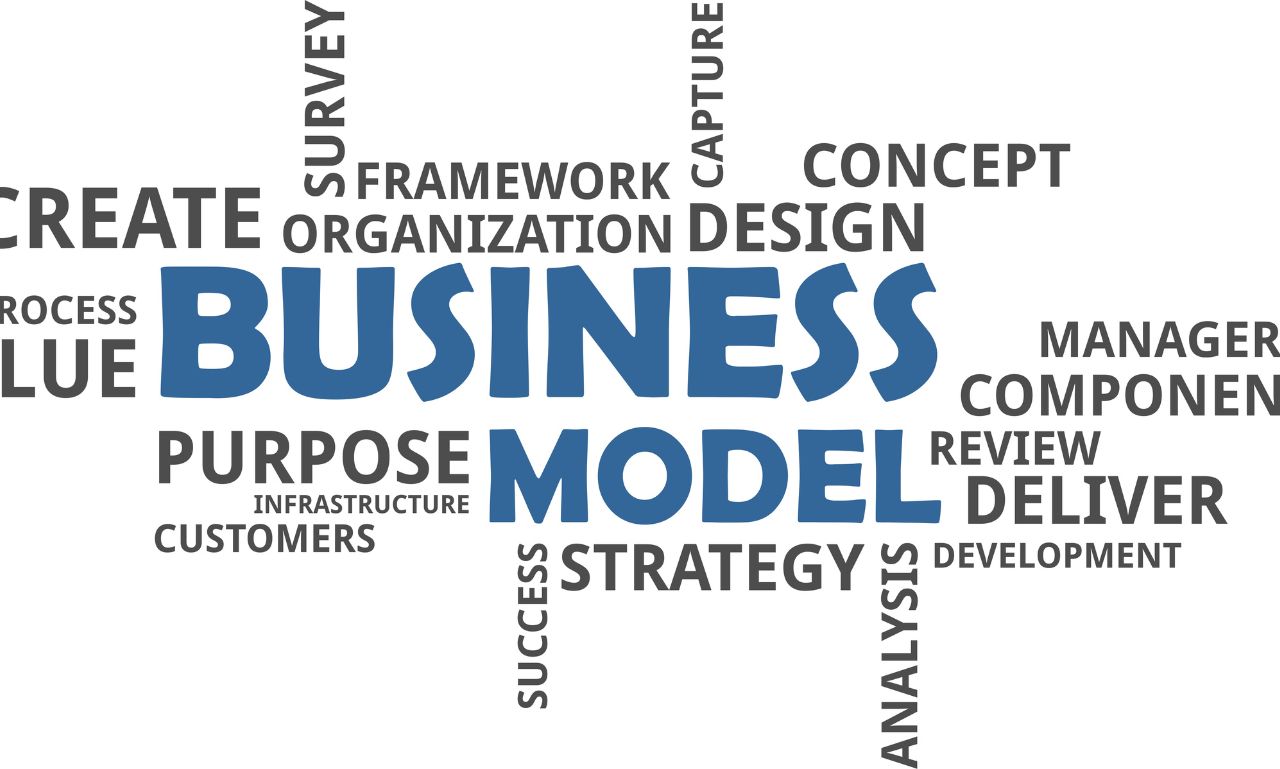
    A business model is more than a box founders check when creating a company. It’s the framework that explains how a startup creates value, delivers it to customers, and earns revenue in return.

    Without one, even the most brilliant idea can struggle to survive.

    So, what happens if a startup has no business model? Let’s break it down.

    What Is a Business Model and Why Does Every Startup Need One?
    What Happens If a Startup Has No Business Model?

    A business model explains how a company works.

    It identifies who the customers are, what problem the company solves, how products or services are delivered, and how revenue is generated.

    Many people confuse a business model with a business plan. They’re related, but they’re not the same thing.

    Think of it this way.

    A business plan explains where you’re going. A business model explains how you’ll get there and pay for the journey along the way.

    Every successful company has a business model, whether it’s Netflix charging monthly subscriptions, Airbnb taking commissions from bookings, or Amazon generating revenue through product sales and cloud services.

    Without a business model, a startup may know what it wants to build but have no idea how to turn that idea into a sustainable business.

    How Business Models Drive Revenue, Growth, and Sustainability

    A startup needs more than customers. It needs customers who contribute to long-term growth.

    That’s where a business model creates clarity.

    It helps founders understand how revenue enters the business, where expenses are incurred, and which actions contribute most to profitability.

    Imagine opening a restaurant without deciding whether customers will pay per meal, through memberships, or via catering contracts. Sounds chaotic, right?

    The same principle applies to startups.

    A clear business model allows companies to attract customers, allocate resources efficiently, and scale with confidence.

    More importantly, it creates a roadmap for sustainable growth rather than short-term excitement.

    What Happens When a Startup Operates Without a Business Model?

    This is where things get interesting—and risky.

    A startup without a business model often looks healthy on the surface. Behind the scenes, however, problems can pile up quickly.

    The Immediate Challenges Startups Face Without a Revenue Strategy

    Cash flow usually becomes the first major issue.

    Expenses continue regardless of whether revenue exists. Salaries need to be paid. Marketing campaigns cost money. Software subscriptions add up.

    Without a structured revenue strategy, founders often rely heavily on personal savings or investor funding to stay afloat.

    Pricing becomes another headache.

    If a startup hasn’t defined how it will generate revenue, pricing decisions often feel random. Customers become confused, and sales teams struggle to communicate value effectively.

    Resource allocation can also spiral out of control.

    Teams end up chasing multiple opportunities at once because there’s no clear understanding of what actually drives revenue.

    At that point, measuring success becomes incredibly difficult.

    A startup might celebrate gaining thousands of users. Yet if those users aren’t contributing to a sustainable business model, growth alone means very little.

    Long-Term Consequences of Having No Business Model

    The longer this situation continues, the more damaging it becomes.

    Scaling becomes nearly impossible because growth requires resources. Resources require money.

    Operational inefficiencies start creeping into every part of the business. Teams work hard, but not always on the right priorities.

    Meanwhile, competitors with stronger business models continue to improve their products, expand their marketing efforts, and strengthen customer relationships.

    Eventually, startups without a business model often hit the same wall: they run out of cash.

    CB Insights has repeatedly identified running out of money as one of the leading causes of startup failure. In many cases, the root problem wasn’t the product. It was the lack of a sustainable business model.

    Why Investors and Customers Lose Confidence in Startups Without Business Models

    What Happens If a Startup Has No Business Model?

    Ideas are exciting.

    Investors and customers love innovation.

    However, excitement only goes so far.

    How a Missing Business Model Affects Funding Opportunities

    When investors evaluate startups, they aren’t just buying into an idea.

    They’re investing in future returns.

    That means they want answers to important questions.

    How will the company make money?

    How much will it cost to acquire customers?

    When will the business become profitable?

    Without a business model, those answers become vague.

    Venture capital firms may still express interest, especially if the startup has strong growth. Yet most investors eventually want proof that profitability is achievable.

    A startup that cannot explain its path to revenue often struggles to secure funding, no matter how innovative the product may be.

    The Impact on Customer Trust and Market Positioning

    Customers notice uncertainty too.

    When messaging changes constantly, or Pricing seems inconsistent, trust begins to erode.

    People want to know exactly what they’re buying and why it matters.

    A startup with an unclear value proposition often struggles to build credibility.

    Market positioning suffers as well.

    If customers can’t immediately understand how a company differs from competitors, they are more likely to choose brands that clearly communicate their value.

    Trust isn’t built through promises. It’s built through consistency.

    A solid business model helps create that consistency.

    Can a Startup Succeed Without a Business Model?

    Here’s where many entrepreneurs push back.

    After all, some famous startups didn’t focus on monetization immediately.

    They’re right.

    But the full story matters.

    Real-World Examples of Startups That Started Without Clear Monetization

    Facebook spent years prioritizing growth before advertising became a major revenue source.

    Twitter followed a similar path.

    Instagram focused heavily on user adoption before introducing meaningful monetization.

    Those examples often make headlines.

    What rarely gets mentioned is the enormous funding and unique market conditions supporting those companies.

    Most startups don’t have billions in investor backing.

    Most founders don’t have years to experiment without revenue.

    Even companies that delay monetization eventually develop business models. Growth alone isn’t enough forever.

    How Lean Startup Methodology Helps Validate Business Models

    Eric Ries introduced a simple but powerful concept through the Lean Startup movement.

    Instead of assuming founders know what customers want, startups should test ideas quickly.

    This usually starts with an MVP, or minimum viable product.

    The goal isn’t perfection.

    The goal is learning.

    Customer feedback helps founders understand which features matter, what people are willing to pay for, and whether the business model makes sense.

    Sometimes those insights lead to a pivot.

    Slack originally started as part of a gaming company.

    Instagram began as a location-sharing app.

    Both businesses adjusted course based on market feedback and eventually discovered stronger business models.

    How Startups Can Develop and Validate a Strong Business Model

    What Happens If a Startup Has No Business Model?

    The good news?

    Building a business model doesn’t require guessing.

    It requires listening, testing, and adapting.

    Key Steps to Building a Sustainable Business Model

    Everything starts with understanding customers.

    Founders need to identify real problems people are actively trying to solve.

    Once those problems are clear, the next step is crafting a compelling value proposition.

    Why should someone choose your solution over alternatives?

    From there, pricing strategies, revenue streams, and cost structures can be developed and tested.

    Validation is critical throughout the process.

    Many assumptions that look perfect on paper fall apart when exposed to real customers.

    The sooner founders learn those lessons, the better.

    Common Business Model Mistakes Startups Should Avoid

    One common mistake is relying too heavily on investor funding.

    Funding can accelerate growth, but it shouldn’t replace revenue.

    Another frequent issue is ignoring customer feedback.

    Founders sometimes fall in love with ideas while customers quietly move on.

    Unrealistic revenue projections also create problems.

    Optimism is valuable. Unquestioning optimism is expensive.

    Poor market research and resistance to change can be equally damaging.

    Markets evolve constantly. Successful startups evolve with them.

    Conclusion

    What Happens If a Startup Has No Business Model?

    In most cases, it struggles to survive.

    A startup can have an innovative product, passionate founders, and impressive user growth. Yet without a clear way to generate revenue and create sustainable value, long-term success becomes difficult.

    The strongest startups aren’t necessarily the ones with the flashiest ideas.

    They’re the ones who understand how to turn those ideas into profitable businesses.

    If you’re building a startup today, take a step back and ask yourself a simple question:

    Can you clearly explain how your company will make money?

    If the answer isn’t crystal clear yet, now is the perfect time to work on it.

    Also Read: What Are the Hidden Costs of Launching a Startup?

    FAQs

    1. Why do investors want to see a business model?

    Investors want confidence that the company can eventually become profitable and deliver returns.

    2. Is a business model the same as a business plan?

    No. A business model explains how money is made, while a business plan covers broader business goals and strategies.

    3. How can startups test a business model?

    Startups can use MVPs, customer interviews, market testing, and experimentation to validate assumptions before scaling.


  • What Are the Hidden Costs of Launching a Startup?

    What Are the Hidden Costs of Launching a Startup?

    Launching a startup often begins with excitement, ambition, and a carefully crafted budget. Most founders estimate expenses such as product development, office space, and marketing. Yet many businesses discover that the real challenge isn’t paying for the obvious costs. It’s dealing with the unexpected expenses that quietly drain cash reserves.

    So, what are the hidden costs of launching a startup? The answer goes far beyond registration fees and website development. From compliance obligations to customer acquisition expenses, several overlooked costs can determine whether a startup thrives or struggles.

    The Difference Between Visible and Hidden Startup Expenses

    Visible expenses are the costs founders expect from the beginning. These usually include product creation, equipment purchases, employee salaries, and marketing campaigns.

    Hidden expenses operate differently. They appear gradually and often seem insignificant when viewed individually. However, when combined, they can consume a substantial portion of a startup’s budget.

    Take software subscriptions as an example. A founder may subscribe to a project management platform, email marketing software, cloud storage solution, customer support system, and analytics tool. Each service may cost only a small amount monthly, but together they can add hundreds or even thousands of dollars to operating expenses.

    Many first-time entrepreneurs experience this reality. What looks affordable during planning can become expensive once the business starts operating day-to-day.

    Why Many Startups Run Out of Cash Despite Careful Planning

    A startup may generate sales and still face financial problems. Revenue alone doesn’t guarantee healthy cash flow.

    One common issue involves delayed payments. Customers may take 30, 60, or even 90 days to settle invoices. Meanwhile, salaries, rent, software fees, and supplier payments continue to demand immediate attention.

    The collapse of several promising startups has highlighted this challenge. Investors often point out that poor cash flow management, rather than a lack of demand, causes many businesses to fail.

    Founders frequently underestimate how much working capital they need to bridge these gaps. As a result, businesses find themselves scrambling for funds during critical growth periods.

    Business Registration, Licenses, Permits, and Intellectual Property Expenses

    Starting a business legally involves more than filing incorporation documents.

    Depending on the industry, entrepreneurs may require permits, operational licenses, certifications, and local government approvals. These expenses vary significantly between sectors and regions.

    Intellectual property protection is another overlooked area. Registering trademarks, patents, or copyrights can become expensive, especially when legal assistance is involved. Yet skipping these protections can expose a startup to even greater risks later.

    A well-known example is Snapchat’s early legal disputes involving intellectual property claims. Legal challenges can quickly become costly when ownership rights are not clearly protected from the beginning.

    Insurance, Tax Compliance, Accounting, and Ongoing Regulatory Requirements

    Many founders view insurance as an optional expense. Unfortunately, unexpected lawsuits, cybersecurity incidents, or workplace accidents can cause financial losses that far exceed insurance premiums.

    Professional liability coverage, cyber insurance, and general business insurance are increasingly important for modern startups.

    Tax compliance creates another hidden expense. Regulations change regularly, and mistakes can trigger penalties. Hiring accountants or tax professionals often becomes necessary as operations expand.

    Administrative obligations rarely generate revenue, but ignoring them can lead to expensive consequences.

    The Hidden Technology and Operational Expenses of a Startup

    Software Subscriptions, Cybersecurity, and Technology Infrastructure Costs

    Technology powers modern startups, but it also creates recurring expenses.

    Many businesses begin with free software plans. As customer bases grow, premium upgrades become necessary. Cloud hosting costs increase. Data storage requirements expand. Team collaboration platforms require additional licenses.

    Cybersecurity spending has also become unavoidable. IBM’s Cost of a Data Breach reports consistently show that breaches can cost businesses millions globally.

    Even small startups are targets for cybercriminals. Investing in security tools, employee training, and system monitoring adds expenses that many founders fail to anticipate during launch.

    Technology costs rarely remain static. They tend to grow alongside the business.

    Workspace, Equipment Maintenance, Payment Processing, and Operational Overheads

    Remote work has reduced office costs for some startups, but operational expenses remain significant.

    Laptops require repairs. Equipment eventually needs replacement. Internet services, utilities, and communication systems generate ongoing expenses.

    Payment processors also take a percentage of every transaction. While a 2% or 3% fee may appear minor initially, it becomes substantial as sales volume increases.

    Many startup owners focus on increasing revenue without realizing that operational costs quietly rise at the same pace.

    Marketing and Customer Acquisition Costs Beyond the Launch

    Branding, Website Development, and Pre-Launch Marketing Investments

    Creating a startup’s identity involves much more than designing a logo.

    Professional branding often includes visual assets, messaging frameworks, website development, content creation, and market research. These investments shape how customers perceive the company.

    A poorly designed website can reduce trust and lower conversion rates. Consequently, many startups eventually spend more money redesigning platforms that were initially built on tight budgets.

    Pre-launch marketing can also become expensive. Building awareness before a product launch requires strategic campaigns, social media content, public relations efforts, and audience engagement.

    Successful launches rarely happen by accident.

    Customer Acquisition Costs, Advertising Spend, and Retention Expenses

    Many entrepreneurs underestimate how much it costs to acquire customers.

    Digital advertising has become increasingly competitive. Platforms like Google Ads and Meta Ads continue to experience rising costs across numerous industries.

    A startup might spend significant amounts attracting new users before seeing meaningful returns. In some sectors, acquiring a single customer can cost hundreds of dollars.

    Retention introduces another layer of expense. Customer support teams, loyalty programs, email campaigns, and product improvements all require investment.

    Acquiring customers is difficult. Keeping them engaged often costs more than founders expect.

    Financial Buffers and Unexpected Costs That Determine Startup Survival

    Working Capital, Cash Flow Gaps, and Emergency Funds

    Every startup encounters surprises.

    A major client may delay payment. A supplier may increase prices unexpectedly. Economic conditions may shift without warning.

    Businesses with emergency funds can absorb these challenges. Those operating with minimal reserves often struggle to recover.

    Financial experts frequently recommend maintaining several months of operating expenses in reserve. Although this may seem excessive during launch, it provides stability when unexpected situations arise.

    Think of it like carrying an umbrella. You might not need it every day, but you’ll be glad it’s there when the storm arrives.

    Founder Opportunity Costs, Hiring Mistakes, and Scaling Challenges

    One hidden expense many entrepreneurs ignore is personal sacrifice.

    Founders often leave stable jobs, giving up salaries, benefits, retirement contributions, and opportunities for career advancement. These opportunity costs rarely appear in business plans but represent a real financial commitment.

    Hiring mistakes can also be expensive. Recruiting, onboarding, and replacing employees consume both time and money. A poor hiring decision can delay growth and reduce productivity.

    Scaling introduces another set of challenges. Increased demand often requires additional staff, upgraded technology, larger facilities, and expanded customer support capabilities.

    Growth sounds exciting. Paying for growth is where many startups encounter difficulties.

    Before launching your venture, ask yourself a simple question: Have you budgeted only for startup costs, or have you prepared for the realities of startup?

    Conclusion

    Understanding what the hidden costs of launching a startup are can make the difference between sustainable growth and financial stress. While founders often budget for visible expenses, hidden costs tend to emerge from legal compliance, technology upgrades, marketing investments, operational overheads, and cash flow challenges.

    Successful entrepreneurs recognize that launching a startup isn’t simply about building a product. It’s about preparing for the countless expenses that appear after the launch.

    Businesses that anticipate these costs are better positioned to survive setbacks, adapt to change, and scale successfully. Planning for the unexpected may not be exciting, but it is often the smartest investment a founder can make.

    Also Read: What Happens If a Startup Has No Business Model?

    FAQs

    1. Why do startups run out of money so quickly?

    Many startups underestimate operating expenses, customer acquisition costs, and the time to collect revenue, leading to cash shortages.

    2. How much emergency funding should a startup have?

    Most experts recommend maintaining sufficient reserves to cover at least 3 to 6 months of operating expenses.

    3. Are software subscriptions a significant startup expense?

    Yes. Multiple recurring subscriptions can accumulate quickly and become a major monthly cost as the business grows.

    4. How can founders reduce hidden startup costs?

    Careful budgeting, regular expense reviews, strong cash flow management, and maintaining financial reserves can help reduce unexpected costs.

  • Can You Start a Business Without a Business Plan?

    Can You Start a Business Without a Business Plan?

    Starting a business has never been easier. With AI tools handling everything from market research to customer support, many entrepreneurs are launching companies faster than ever. This shift has sparked an important question: Can You Start a Business Without a Business Plan?

    A decade ago, the standard advice was simple. Write a lengthy business plan, spend months refining it, and only then launch. Today, that approach is not always practical. Markets change quickly, customer behavior shifts overnight, and technology evolves at a pace that makes some plans outdated before they are even completed.

    Let’s explore what entrepreneurs need to know before taking that leap.

    Why Many Modern Entrepreneurs Skip Traditional Business Plans?

    Can You Start a Business Without a Business Plan?

    The startup landscape looks very different from what it did even five years ago. Many founders no longer spend weeks creating 30-page business plans before launching.

    Part of the reason is the rise of the lean startup movement. Instead of predicting every possible outcome, entrepreneurs build a basic version of their product and put it in front of real customers. Feedback arrives quickly, allowing businesses to adjust before spending significant money.

    Artificial intelligence has also changed the game. Platforms can generate financial forecasts, analyze competitors, identify customer trends, and even suggest pricing strategies within minutes. Tasks that once required consultants and spreadsheets can now be completed with a few prompts.

    Consider companies like Airbnb. The founders did not begin with a perfect business plan. They tested a simple concept, learned from users, and improved as they grew. Similar stories can be found throughout Silicon Valley and beyond.

    Many entrepreneurs believe action creates better insights than endless planning. Rather than guessing what customers want, they prefer learning directly from the market.

    Situations Where a Business Plan Is Still Necessary

    Despite modern trends, there are circumstances where a business plan remains essential.

    Investors often expect to see a structured roadmap before committing capital. Venture capital firms and angel investors want evidence that founders understand their market, competition, and financial projections.

    Banks typically require detailed plans when evaluating loan applications. Lenders need confidence that borrowers can repay the money they receive.

    Partnerships may also require formal planning. When multiple people invest time and resources into a business, documented goals and expectations help avoid future disagreements.

    Franchise businesses frequently demand business plans as part of the approval process. Established brands want assurance that franchise owners can operate successfully.

    Certain industries face stricter requirements as well. Healthcare, manufacturing, construction, and financial services often involve regulations that make detailed planning unavoidable.

    In these cases, skipping a business plan could limit opportunities before the business even gets off the ground.

    The Advantages and Risks of Starting Without a Business Plan

    Benefits of Launching Quickly and Testing Your Idea

    One of the biggest advantages of operating without a traditional business plan is speed.

    Markets move fast. Entrepreneurs who spend six months planning may discover competitors have already captured customer attention. Launching quickly allows businesses to establish a presence while opportunities still exist.

    Flexibility is another major benefit. Detailed plans sometimes create rigid thinking. Founders may become attached to assumptions that no longer match reality.

    Testing ideas early helps reduce waste. Instead of investing heavily in products nobody wants, entrepreneurs gather customer feedback before committing substantial resources.

    Lower planning costs can also make entrepreneurship more accessible. Small business owners often lack the budget for consultants, analysts, or expensive planning software.

    Perhaps most importantly, direct customer interaction reveals valuable insights. Real-world feedback often teaches lessons that spreadsheets never could.

    Common Mistakes Entrepreneurs Make Without a Plan

    Starting without a plan does not mean operating without direction. Unfortunately, many founders confuse the two.

    Cash flow problems remain one of the leading reasons businesses fail. Without financial forecasting, entrepreneurs may underestimate expenses or overestimate revenue.

    Unclear goals create another challenge. When business owners lack measurable objectives, it becomes difficult to evaluate progress or make strategic decisions.

    Poor market research frequently leads to disappointment. A great idea does not guarantee customer demand. Some entrepreneurs launch based on personal enthusiasm rather than market evidence.

    Pricing errors are equally common. Charge too much, and customers leave. Charge too little and profitability disappears.

    Growth can become difficult as well. Businesses that succeed initially may struggle to scale because foundational systems were never properly considered.

    Skipping a formal business plan should never mean skipping critical thinking.

    What Can You Use Instead of a Traditional Business Plan?

    How the Lean Startup Model Works

    Can You Start a Business Without a Business Plan?

    The lean startup model has become one of the most popular alternatives to traditional business planning.

    At its core, the method focuses on building a Minimum Viable Product (MVP). This is the simplest version of a product that can solve a customer problem.

    Instead of spending years perfecting a solution, entrepreneurs launch quickly and gather feedback. Customer responses guide future improvements.

    The process follows a cycle of building, measuring, and learning. Each iteration provides new insights that help businesses improve products and services.

    Many successful technology companies still rely on this approach. Spotify, Dropbox, and numerous SaaS startups used customer validation to shape their growth strategies.

    AI tools will make the process even faster. Founders can create prototypes, analyze feedback, and identify trends within days rather than months.

    One-Page Business Plans, Business Model Canvases, and AI Planning Tools

    Not every entrepreneur wants to abandon planning altogether. Fortunately, alternatives exist.

    One-page business plans summarize key information without unnecessary complexity. They typically include target customers, revenue streams, marketing strategies, and business goals.

    The Business Model Canvas has become particularly popular among startups. This framework helps entrepreneurs visualize essential components of their business on a single page.

    AI planning tools offer another modern solution. Platforms can generate market research reports, estimate startup costs, forecast revenue, and identify potential risks.

    These approaches provide structure while maintaining flexibility. Rather than creating a lengthy document that sits untouched, entrepreneurs can continuously update their plans as new information emerges.

    The result is often more practical than a traditional business plan.

    How to Validate a Business Idea Before Investing Time and Money

    Ways to Test Market Demand Before Launching

    Validation is arguably more important than planning.

    Before investing significant resources, entrepreneurs should confirm that customers actually want their product or service.

    Customer interviews provide valuable insights. Speaking directly with potential buyers often reveals pain points that surveys miss.

    Online surveys can help measure broader interest. Tools like Google Forms and Typeform make collecting feedback relatively simple.

    Pre-sales offer another powerful validation method. If customers are willing to pay before a product launches, demand likely exists.

    Waitlists can also provide useful signals. A growing list of interested prospects suggests genuine market interest.

    Competitor analysis remains important. Existing competitors often indicate demand, though they also reveal challenges businesses may face.

    Social media provides real-time feedback as well. Posts, ads, and community discussions can help gauge customer reactions before launch.

    Signs Your Business Idea Is Ready for Launch

    How do you know when an idea is worth pursuing?

    One encouraging sign is consistent customer interest. When people repeatedly ask questions or request updates, demand may be building.

    Repeat inquiries often indicate a genuine problem needing a solution. Casual curiosity rarely leads to ongoing engagement.

    Pre-orders represent another strong signal. Customers willing to spend money before launch demonstrate confidence in the offering.

    Market gaps can also reveal opportunities. Businesses that solve overlooked problems frequently attract attention quickly.

    Early traction matters too. Growing website traffic, increasing waitlists, positive reviews, and strong engagement all suggest momentum.

    Ask yourself a simple question: would people be disappointed if this business disappeared tomorrow? If the answer is yes, you may have something valuable.

    Building a Successful Business Without a Formal Plan

    Essential Steps Every New Business Should Follow

    Even without a formal business plan, certain fundamentals remain critical.

    Start by defining your target audience. Understanding who you serve makes marketing more effective and product development more focused.

    Next, establish a clear revenue model. Businesses need a reliable way to generate income and sustain operations.

    Financial management should never be ignored. Tracking expenses, revenue, and cash flow helps prevent unpleasant surprises.

    Branding matters more than many entrepreneurs realize. Customers often form opinions within seconds of encountering a business.

    Marketing deserves consistent attention as well. Great products rarely sell themselves. Businesses need visibility to attract customers.

    Legal requirements should also be addressed early. Business registrations, licenses, taxes, and compliance obligations vary by location and industry.

    These steps provide a foundation that supports long-term growth.

    When to Create a Business Plan as Your Company Grows

    Can You Start a Business Without a Business Plan?

    Many businesses begin without a formal plan, but eventually need one.

    Growth introduces complexity. Hiring employees, managing departments, and expanding operations require greater coordination.

    Seeking investment often necessitates structured planning. Investors want detailed information before providing capital.

    Expansion into new markets also benefits from strategic documentation. Entering unfamiliar territory without preparation increases risk.

    Long-term forecasting becomes more important as businesses mature. Leaders need visibility into future opportunities and challenges.

    A business plan should evolve alongside the company. Think of it as a tool rather than a requirement.

    Successful entrepreneurs understand that planning is not a one-time event. It is an ongoing process that adapts to changing circumstances.

    Conclusion

    So, Can You Start a Business Without a Business Plan? Absolutely.

    Thousands of entrepreneurs launch businesses every year without creating traditional business plans. Modern tools, lean startup principles, and rapid market testing enable rapid movement and learning from real customers.

    Yet operating without a plan does not mean operating without a strategy. Successful founders still validate ideas, understand their audience, manage finances, and track progress.

    The smartest approach often lies somewhere in the middle. Start lean, learn fast, and build structure as your business grows.

    Before you launch, ask yourself one question: Are you avoiding a business plan because it is unnecessary, or because you are avoiding the hard work of understanding your business? The answer could determine your success.

    Also Read: Why Do Some Founders Avoid Venture Capital Funding?

    FAQs

    1. What is a good alternative to a business plan?

    A one-page business plan, Business Model Canvas, or AI-powered planning tool can provide structure without lengthy documentation.

    3. Is a business plan necessary for a small online business?

    Not always. Many online businesses start with simple plans and expand documentation as they grow.

    4. What is the biggest risk of starting without a business plan?

    Poor cash flow management is often the biggest risk, as unexpected expenses can quickly disrupt operations.

  • Why Do Some Founders Avoid Venture Capital Funding?

    Why Do Some Founders Avoid Venture Capital Funding?

    Every startup founder dreams of growth. The challenge is deciding how to fund that growth.

    For decades, venture capital has been viewed as the gold standard for ambitious startups. Household names like Uber, Airbnb, Facebook, and Stripe all used venture capital to accelerate their expansion. As a result, many entrepreneurs assume that securing VC funding is a necessary milestone on the road to success.

    Yet a growing number of founders are intentionally choosing a different path.

    Some build profitable companies without outside investors. Others prefer alternative funding methods that allow them to keep more control and ownership. In many cases, avoiding venture capital isn’t a sign of weakness. It’s a strategic decision based on the founder’s goals, industry, and vision for the future.

    So, why do some founders avoid venture capital funding? The answer goes far beyond simply not wanting investors. It often comes down to control, ownership, growth expectations, and long-term business priorities.

    What Is Venture Capital and How Does It Work?

    Venture capital is a form of private investment provided to startups with high growth potential. Investors exchange capital for equity, which means they own a percentage of the company.

    Beyond money, venture capital firms often provide mentorship, industry connections, recruiting support, and strategic guidance. Many founders see these resources as valuable because they can accelerate growth and open doors that would otherwise remain closed.

    However, venture capital is rarely a simple cash transaction. Investors expect significant returns, often targeting companies capable of becoming billion-dollar businesses. To achieve those returns, they typically push startups toward rapid expansion and aggressive market capture.

    Funding rounds also come with expectations. Investors want regular updates, financial transparency, board representation, and influence over major business decisions. For some founders, these requirements are acceptable. For others, they can feel restrictive.

    Why Venture Capital Is Not the Right Fit for Every Startup

    Not every business is designed to scale at venture capital speed.

    A software company targeting a global audience may align perfectly with VC expectations. On the other hand, a niche consulting firm, local service business, or lifestyle company may generate healthy profits without needing explosive growth.

    Industry dynamics matter as well. Healthcare technology startups often require substantial capital due to regulatory hurdles and lengthy development cycles. Meanwhile, a digital marketing agency can grow steadily through client revenue alone.

    Growth strategy plays a role, too. Some entrepreneurs prioritize sustainable profits over rapid expansion. They may prefer building a business that generates reliable cash flow instead of chasing aggressive growth targets set by investors.

    As a result, venture capital often fits only a specific category of startups rather than serving as a universal solution.

    The Main Reasons Some Founders Choose Not to Raise Venture Capital

    Concerns About Equity Dilution and Ownership Loss

    One of the biggest concerns founders have is equity dilution.

    Every funding round requires founders to give up a portion of ownership. A founder who starts with 100% ownership may find themselves holding a significantly smaller stake after multiple investment rounds.

    This issue becomes more noticeable as startups continue raising capital. Early investors, later-stage investors, employee stock option pools, and additional funding rounds can gradually reduce founder ownership.

    History provides many examples. Several startup founders who built highly successful companies ultimately owned less than 20% of their businesses by the time they went public.

    Many entrepreneurs view ownership as more than a financial asset. It represents years of sacrifice, risk-taking, and hard work. Keeping a larger share of the company allows founders to retain more of the rewards generated by their success.

    The Desire to Maintain Full Control Over Business Decisions

    Ownership and control often go hand in hand.

    When venture capital firms invest, they frequently request board seats and voting rights. Those positions give investors influence over hiring decisions, budgets, acquisitions, fundraising plans, and overall strategy.

    At first, this involvement may seem beneficial. Experienced investors can offer valuable guidance. Problems arise when the founder’s vision differs from investor expectations.

    Imagine a founder wanting to prioritize customer satisfaction and steady profitability while investors push for aggressive expansion. Tension can develop quickly.

    Several well-known founders have spoken openly about the challenges of balancing investor demands with personal convictions. Maintaining strategic freedom remains one of the strongest reasons entrepreneurs avoid outside funding.

    The Hidden Trade-Offs of Venture Capital Funding

    Pressure for Rapid Growth and Aggressive Scaling

    Venture capital firms operate under a specific business model. They invest in many startups knowing that only a small percentage will generate substantial returns.

    Because of this reality, investors often encourage companies to grow as quickly as possible.

    Rapid hiring, international expansion, market acquisition, and increased spending frequently become priorities. While this strategy can create enormous success, it also increases risk.

    Research on startup ecosystems worldwide shows that scaling too quickly can strain operations, weaken company culture, and create financial challenges.

    Growth sounds exciting, but it isn’t always healthy. Sometimes moving too fast creates problems that would not exist under a more measured approach.

    Exit Expectations and the Founder’s Long-Term Vision

    Most venture capital firms eventually need liquidity events.

    These events usually involve acquisitions or initial public offerings. Investors seek exits to generate returns for their limited partners.

    A founder may have a different goal.

    Perhaps they want to run a profitable company for decades. Maybe they envision a family-owned business or a company focused on community impact rather than market domination.

    Those goals can conflict with investor timelines.

    Basecamp provides a famous example. The company grew into a highly profitable software business while largely avoiding traditional venture capital pressures. Its founders repeatedly emphasized profitability and independence over rapid scaling.

    For entrepreneurs with similar aspirations, venture capital may feel more like a constraint than an opportunity.

    Alternative Funding Options Founders Consider Instead of VC

    Bootstrapping: Building a Business with Internal Resources

    Bootstrapping remains one of the most popular alternatives to venture capital.

    Instead of raising money from investors, founders use personal savings, business revenue, and reinvested profits to grow.

    This approach offers significant advantages. Founders maintain ownership, preserve decision-making authority, and avoid investor pressure.

    Mailchimp represents one of the most notable bootstrapping success stories. The company grew for years without venture capital and eventually sold for approximately $12 billion.

    Bootstrapping isn’t easy. Growth often happens more slowly because resources are limited. Founders must balance expansion with cash flow management.

    Even so, many entrepreneurs prefer the freedom that comes with self-funded growth.

    Angel Investors, Revenue-Based Financing, and Other Alternatives

    Not every alternative requires complete self-funding.

    Angel investors often provide smaller investments than venture capital firms while allowing founders greater flexibility. These investors may also offer mentorship and industry expertise.

    Crowdfunding has become another viable option. Platforms such as Kickstarter and Indiegogo enable businesses to raise money directly from supporters and customers.

    Government grants can provide non-dilutive funding for startups in sectors like technology, healthcare, and sustainability.

    Revenue-based financing is gaining popularity as well. Under this model, businesses repay investors using a percentage of future revenue rather than giving up equity.

    Small business loans and venture debt can also provide capital without requiring founders to surrender ownership stakes.

    How Founders Decide Whether Venture Capital Is Worth It

    Questions Every Founder Should Ask Before Seeking VC Funding

    Before approaching investors, founders should pause and ask several important questions.

    Do I really need venture capital?

    Sometimes, revenue growth can fund expansion more effectively than outside investment. Raising money simply because competitors are doing it rarely leads to good outcomes.

    How much control am I willing to give up?

    Accepting capital usually means sharing decision-making authority. Understanding that trade-off early prevents surprises later.

    Can my business grow profitably without investors?

    Many successful companies achieve impressive growth through strong cash flow and disciplined operations. Exploring this possibility can reveal alternatives that better align with long-term goals.

    Honest answers to these questions often provide clarity about the best funding path.

    When Venture Capital Makes Sense—and When It Doesn’t

    Venture capital works best when a startup operates in a large market, requires significant capital, and has the potential for rapid scaling.

    Companies developing groundbreaking technology, building global platforms, or pursuing winner-takes-all markets often benefit from VC funding.

    In contrast, businesses focused on steady profitability may find greater success through bootstrapping or alternative financing methods.

    There is no universally correct choice.

    The smartest founders align their funding strategy with their vision, business model, and personal priorities. Venture capital can be an incredible growth engine, but only when it supports the destination the founder wants to reach.

    Conclusion

    Why Do Some Founders Avoid Venture Capital Funding? The answer usually comes down to ownership, control, growth expectations, and long-term vision.

    While venture capital has helped create some of the world’s most successful companies, it isn’t the only path to success. Many entrepreneurs prefer to maintain independence, preserve equity, and grow at a pace that aligns with their goals.

    Before seeking investment, ask yourself a simple question: What kind of company do you actually want to build?

    The answer may reveal whether venture capital is the right choice—or whether another funding path makes more sense for your journey.

    Also Read: Can You Start a Business Without a Business Plan?

    FAQs

    What is the biggest downside of venture capital?

    Loss of ownership and reduced control are often considered the biggest drawbacks.

    Can founders keep full ownership while growing a business?

    Yes. Bootstrapping, loans, grants, and revenue-based financing can help founders grow without giving up equity.

    Why do investors want board seats?

    Board seats allow investors to participate in important business decisions and protect their investments.

    How do founders know if venture capital is right for them?

    They should evaluate their growth goals, capital needs, desired level of control, and long-term vision before making a decision.