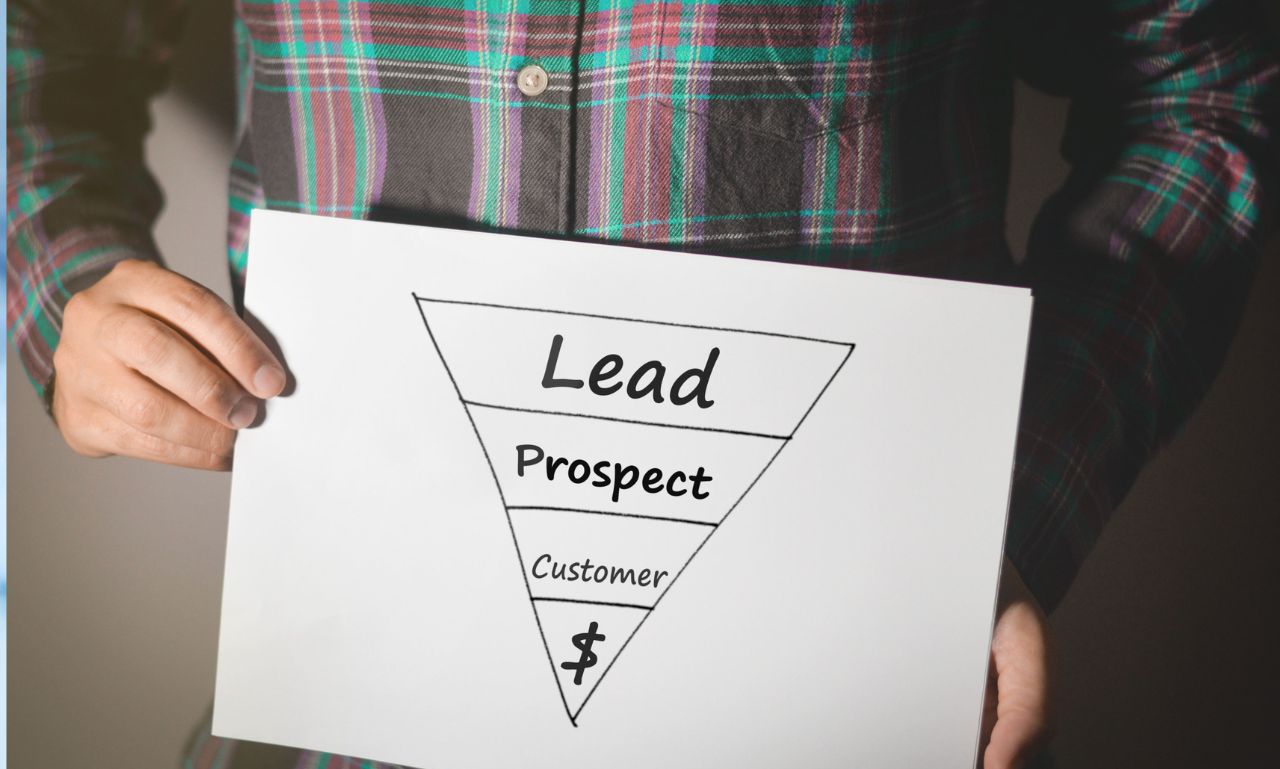
Every business wants more leads. The challenge is that many companies assume they need a large advertising budget to attract prospects. While paid campaigns can produce quick results, they are not the only growth path.
Some of the world’s most successful brands built audiences long before spending heavily on ads. HubSpot grew through content marketing. Dropbox expanded through referrals. Airbnb gained traction by leveraging existing communities and user-generated content.
The reality is simple. Businesses that master organic lead generation often achieve more sustainable growth than those that rely entirely on paid advertising. When done correctly, organic strategies continue delivering results long after the initial effort.
So, how can businesses generate leads without paid advertising? The answer lies in creating value, building trust, and establishing relationships that naturally attract potential customers.
Understanding Organic Lead Generation and Why It Matters
What Is Organic Lead Generation and How Does It Work?

Organic lead generation is the process of attracting potential customers without paying for advertisements. Instead of buying attention, businesses earn it through valuable content, search engine visibility, referrals, social engagement, and relationship building.
Think about your own buying habits. When you need information, you probably search Google, watch YouTube videos, read reviews, or ask for recommendations. Most consumers follow a similar path.
Organic lead generation works by placing your business where people are already looking. A blog post answering a common question, an educational video, or a helpful social media post can introduce your brand to someone actively seeking solutions.
Over time, these touchpoints build trust. Prospects become familiar with your expertise and are more likely to contact you when they are ready to buy.
Why Businesses Are Shifting Away from Paid Advertising
Rising advertising costs have pushed many businesses to rethink their marketing strategies. According to WordStream research, average cost-per-click rates have increased significantly across many industries over the last few years.
Paid campaigns also stop producing results when spending stops. The moment a budget runs out, traffic often disappears.
Organic marketing offers a different advantage. A well-written article can generate leads for years. An optimized website can rank in search results long after publication. Strong referral relationships continue bringing customers without additional spending.
Many business owners now view paid advertising as one piece of a larger marketing strategy rather than the entire solution.
Using SEO and Content Marketing to Attract Qualified Leads
How Search Engine Optimization Helps Generate Consistent Leads
Search engine optimization, commonly known as SEO, helps businesses appear in search results when potential customers look for information online.
Imagine owning a landscaping company. A homeowner searches for “how to improve backyard drainage.” If your website provides a useful answer, that visitor may discover your services without ever seeing an advertisement.
This process happens thousands of times daily across industries.
Effective SEO focuses on understanding customer questions and creating content that answers them. Search engines reward websites that provide useful, trustworthy information.
Consistency matters. Businesses that publish quality content regularly often see compounding results. One article may generate a few visitors per month. Fifty articles can generate thousands.
What Types of Content Generate the Most Organic Leads?
Not all content performs equally when it comes to lead generation.
Educational blog posts remain one of the most effective formats because they address specific customer problems. Case studies also perform well because they demonstrate real-world success.
Video content continues gaining momentum. According to Wyzowl’s annual video marketing survey, most consumers prefer learning about products through video rather than reading lengthy descriptions.
Another powerful option is original research. Businesses that share unique industry data often earn backlinks, media coverage, and credibility. Neil Patel frequently publishes data-driven insights because they attract attention and establish authority.
Ask yourself this question: What information does your audience wish existed but cannot easily find? Creating that content often leads to remarkable results.
Leveraging Social Media and Online Communities for Lead Generation
How Can Businesses Generate Leads Through Organic Social Media Marketing?

Social media is often misunderstood. Many companies focus entirely on promotion and wonder why engagement remains low.
Successful organic social media marketing centers on conversations rather than sales pitches.
A local fitness coach, for example, might share workout tips, client success stories, and nutrition advice. Followers engage because the content helps them solve real problems.
Over time, trust develops naturally.
Platforms such as LinkedIn, Instagram, Facebook, TikTok, and X each offer opportunities to reach different audiences. The key is understanding where your ideal customers spend time and creating content tailored to their interests.
Engagement matters as much as publishing. Responding to comments, answering questions, and participating in discussions often generates more leads than posting promotional messages.
Which Online Communities and Platforms Are Best for Finding Potential Customers?
People gather online around shared interests. Businesses that contribute genuine value to these communities can attract highly qualified leads.
LinkedIn groups remain valuable for B2B networking. Reddit contains thousands of niche communities where professionals exchange ideas. Industry forums continue driving conversations in specialized markets.
Facebook groups also provide opportunities to connect with potential customers. However, success depends on helping first and selling later.
One software founder famously grew his startup by spending hours answering questions on Quora. His thoughtful responses generated traffic, credibility, and customers without a single advertising dollar.
Communities reward expertise and authenticity. Promotional behavior, on the other hand, rarely works.
Building Relationships Through Email Marketing, Referrals, and Partnerships
How Can Email Marketing Turn Website Visitors into Leads?
Email marketing remains one of the highest-converting channels available.
Unlike social media platforms, where algorithms control visibility, email provides direct access to your audience.
The process usually begins with a lead magnet. A visitor exchanges contact information for something valuable, such as a guide, checklist, or industry report.
Once someone joins your list, consistent communication helps build trust. Educational emails, practical insights, and relevant updates keep your business top of mind.
Research from Litmus has repeatedly shown that email marketing delivers one of the highest returns on investment among digital marketing channels.
People rarely buy immediately after discovering a business. Email creates opportunities to nurture relationships until prospects are ready to take action.
Why Referral Programs and Strategic Partnerships Drive High-Quality Leads
Referrals remain one of the oldest and most effective lead generation methods.
When someone recommends your business, trust transfers automatically. Prospects often arrive with fewer objections and greater confidence.
Dropbox famously accelerated growth through a referral program that rewarded users for inviting friends. The strategy helped the company achieve remarkable expansion during its early years.
Strategic partnerships can produce similar results. A web design agency might partner with a marketing consultant. Each business serves similar audiences without directly competing.
Such relationships create win-win opportunities where both parties gain access to qualified prospects.
Trust is difficult to purchase. Referrals help businesses earn it naturally.
Converting Organic Traffic into Customers and Scaling Results
How Lead Magnets, Landing Pages, and Calls-to-Action Improve Conversions?

Traffic alone does not generate revenue. Conversion optimization bridges the gap between visitors and leads.
Lead magnets work best when they solve specific problems. Templates, calculators, checklists, and industry reports often outperform generic ebooks.
Landing pages should focus on one goal. Too many options create confusion and reduce conversion rates.
Calls-to-action also matter. Instead of saying “Submit,” consider language that highlights value, such as “Get My Free Guide” or “Start Improving Results Today.”
Small adjustments can produce significant improvements. Even experienced marketers continuously test headlines, forms, and offers.
How Can Businesses Measure, Optimize, and Scale Organic Lead Generation Efforts?
Growth becomes sustainable when businesses measure performance consistently.
Website traffic is useful, but lead quality matters more. Track which content generates inquiries, appointments, or sales rather than focusing solely on page views.
Google Analytics, Search Console, CRM systems, and email marketing platforms provide valuable insights. These tools reveal what attracts prospects and what drives conversions.
Optimization should be ongoing. Top-performing companies constantly refine content, improve user experiences, and identify new opportunities.
Organic lead generation resembles planting a garden. Results rarely appear overnight. Yet businesses that invest consistently often enjoy growth that compounds year after year.
Conclusion
How Can Businesses Generate Leads Without Paid Advertising? The answer is not a single tactic but a combination of proven strategies working together.
SEO helps potential customers discover your business. Content marketing builds trust. Social media creates engagement. Email marketing nurtures relationships. Referrals and partnerships bring highly qualified prospects.
Many businesses chase quick wins through advertising alone. Smart companies focus on creating long-term assets that continue producing results.
If you could generate leads tomorrow without increasing your advertising budget, which strategy would you implement first? The best time to start building organic lead generation systems is now.
Also Read: What Are the Most Effective B2B Lead Magnets Today?
FAQs
Organic lead generation often provides longer-lasting results and lower acquisition costs, while paid advertising delivers faster visibility.
Most businesses begin seeing meaningful SEO results within three to six months, depending on competition and content quality.
SEO, combined with high-quality content, remains one of the most effective long-term lead-generation approaches.
Referrals come with built-in trust because prospects receive recommendations from people they already know and trust.