
Starting a business has never been easier. With AI tools handling everything from market research to customer support, many entrepreneurs are launching companies faster than ever. This shift has sparked an important question: Can You Start a Business Without a Business Plan?
A decade ago, the standard advice was simple. Write a lengthy business plan, spend months refining it, and only then launch. Today, that approach is not always practical. Markets change quickly, customer behavior shifts overnight, and technology evolves at a pace that makes some plans outdated before they are even completed.
Let’s explore what entrepreneurs need to know before taking that leap.
Why Many Modern Entrepreneurs Skip Traditional Business Plans?

The startup landscape looks very different from what it did even five years ago. Many founders no longer spend weeks creating 30-page business plans before launching.
Part of the reason is the rise of the lean startup movement. Instead of predicting every possible outcome, entrepreneurs build a basic version of their product and put it in front of real customers. Feedback arrives quickly, allowing businesses to adjust before spending significant money.
Artificial intelligence has also changed the game. Platforms can generate financial forecasts, analyze competitors, identify customer trends, and even suggest pricing strategies within minutes. Tasks that once required consultants and spreadsheets can now be completed with a few prompts.
Consider companies like Airbnb. The founders did not begin with a perfect business plan. They tested a simple concept, learned from users, and improved as they grew. Similar stories can be found throughout Silicon Valley and beyond.
Many entrepreneurs believe action creates better insights than endless planning. Rather than guessing what customers want, they prefer learning directly from the market.
Situations Where a Business Plan Is Still Necessary
Despite modern trends, there are circumstances where a business plan remains essential.
Investors often expect to see a structured roadmap before committing capital. Venture capital firms and angel investors want evidence that founders understand their market, competition, and financial projections.
Banks typically require detailed plans when evaluating loan applications. Lenders need confidence that borrowers can repay the money they receive.
Partnerships may also require formal planning. When multiple people invest time and resources into a business, documented goals and expectations help avoid future disagreements.
Franchise businesses frequently demand business plans as part of the approval process. Established brands want assurance that franchise owners can operate successfully.
Certain industries face stricter requirements as well. Healthcare, manufacturing, construction, and financial services often involve regulations that make detailed planning unavoidable.
In these cases, skipping a business plan could limit opportunities before the business even gets off the ground.
The Advantages and Risks of Starting Without a Business Plan
Benefits of Launching Quickly and Testing Your Idea
One of the biggest advantages of operating without a traditional business plan is speed.
Markets move fast. Entrepreneurs who spend six months planning may discover competitors have already captured customer attention. Launching quickly allows businesses to establish a presence while opportunities still exist.
Flexibility is another major benefit. Detailed plans sometimes create rigid thinking. Founders may become attached to assumptions that no longer match reality.
Testing ideas early helps reduce waste. Instead of investing heavily in products nobody wants, entrepreneurs gather customer feedback before committing substantial resources.
Lower planning costs can also make entrepreneurship more accessible. Small business owners often lack the budget for consultants, analysts, or expensive planning software.
Perhaps most importantly, direct customer interaction reveals valuable insights. Real-world feedback often teaches lessons that spreadsheets never could.
Common Mistakes Entrepreneurs Make Without a Plan
Starting without a plan does not mean operating without direction. Unfortunately, many founders confuse the two.
Cash flow problems remain one of the leading reasons businesses fail. Without financial forecasting, entrepreneurs may underestimate expenses or overestimate revenue.
Unclear goals create another challenge. When business owners lack measurable objectives, it becomes difficult to evaluate progress or make strategic decisions.
Poor market research frequently leads to disappointment. A great idea does not guarantee customer demand. Some entrepreneurs launch based on personal enthusiasm rather than market evidence.
Pricing errors are equally common. Charge too much, and customers leave. Charge too little and profitability disappears.
Growth can become difficult as well. Businesses that succeed initially may struggle to scale because foundational systems were never properly considered.
Skipping a formal business plan should never mean skipping critical thinking.
What Can You Use Instead of a Traditional Business Plan?
How the Lean Startup Model Works

The lean startup model has become one of the most popular alternatives to traditional business planning.
At its core, the method focuses on building a Minimum Viable Product (MVP). This is the simplest version of a product that can solve a customer problem.
Instead of spending years perfecting a solution, entrepreneurs launch quickly and gather feedback. Customer responses guide future improvements.
The process follows a cycle of building, measuring, and learning. Each iteration provides new insights that help businesses improve products and services.
Many successful technology companies still rely on this approach. Spotify, Dropbox, and numerous SaaS startups used customer validation to shape their growth strategies.
AI tools will make the process even faster. Founders can create prototypes, analyze feedback, and identify trends within days rather than months.
One-Page Business Plans, Business Model Canvases, and AI Planning Tools
Not every entrepreneur wants to abandon planning altogether. Fortunately, alternatives exist.
One-page business plans summarize key information without unnecessary complexity. They typically include target customers, revenue streams, marketing strategies, and business goals.
The Business Model Canvas has become particularly popular among startups. This framework helps entrepreneurs visualize essential components of their business on a single page.
AI planning tools offer another modern solution. Platforms can generate market research reports, estimate startup costs, forecast revenue, and identify potential risks.
These approaches provide structure while maintaining flexibility. Rather than creating a lengthy document that sits untouched, entrepreneurs can continuously update their plans as new information emerges.
The result is often more practical than a traditional business plan.
How to Validate a Business Idea Before Investing Time and Money
Ways to Test Market Demand Before Launching
Validation is arguably more important than planning.
Before investing significant resources, entrepreneurs should confirm that customers actually want their product or service.
Customer interviews provide valuable insights. Speaking directly with potential buyers often reveals pain points that surveys miss.
Online surveys can help measure broader interest. Tools like Google Forms and Typeform make collecting feedback relatively simple.
Pre-sales offer another powerful validation method. If customers are willing to pay before a product launches, demand likely exists.
Waitlists can also provide useful signals. A growing list of interested prospects suggests genuine market interest.
Competitor analysis remains important. Existing competitors often indicate demand, though they also reveal challenges businesses may face.
Social media provides real-time feedback as well. Posts, ads, and community discussions can help gauge customer reactions before launch.
Signs Your Business Idea Is Ready for Launch
How do you know when an idea is worth pursuing?
One encouraging sign is consistent customer interest. When people repeatedly ask questions or request updates, demand may be building.
Repeat inquiries often indicate a genuine problem needing a solution. Casual curiosity rarely leads to ongoing engagement.
Pre-orders represent another strong signal. Customers willing to spend money before launch demonstrate confidence in the offering.
Market gaps can also reveal opportunities. Businesses that solve overlooked problems frequently attract attention quickly.
Early traction matters too. Growing website traffic, increasing waitlists, positive reviews, and strong engagement all suggest momentum.
Ask yourself a simple question: would people be disappointed if this business disappeared tomorrow? If the answer is yes, you may have something valuable.
Building a Successful Business Without a Formal Plan
Essential Steps Every New Business Should Follow
Even without a formal business plan, certain fundamentals remain critical.
Start by defining your target audience. Understanding who you serve makes marketing more effective and product development more focused.
Next, establish a clear revenue model. Businesses need a reliable way to generate income and sustain operations.
Financial management should never be ignored. Tracking expenses, revenue, and cash flow helps prevent unpleasant surprises.
Branding matters more than many entrepreneurs realize. Customers often form opinions within seconds of encountering a business.
Marketing deserves consistent attention as well. Great products rarely sell themselves. Businesses need visibility to attract customers.
Legal requirements should also be addressed early. Business registrations, licenses, taxes, and compliance obligations vary by location and industry.
These steps provide a foundation that supports long-term growth.
When to Create a Business Plan as Your Company Grows
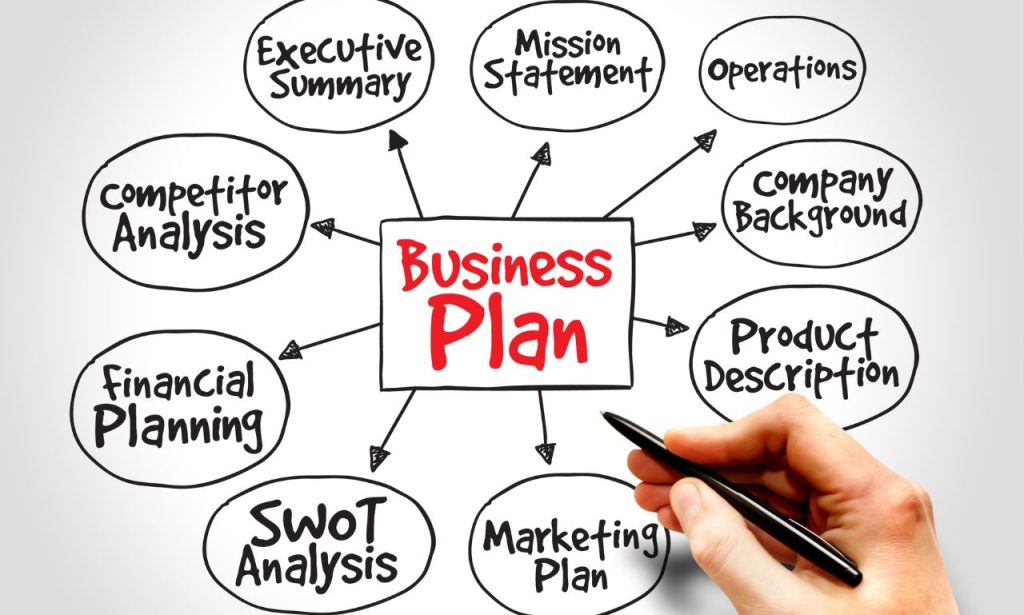
Many businesses begin without a formal plan, but eventually need one.
Growth introduces complexity. Hiring employees, managing departments, and expanding operations require greater coordination.
Seeking investment often necessitates structured planning. Investors want detailed information before providing capital.
Expansion into new markets also benefits from strategic documentation. Entering unfamiliar territory without preparation increases risk.
Long-term forecasting becomes more important as businesses mature. Leaders need visibility into future opportunities and challenges.
A business plan should evolve alongside the company. Think of it as a tool rather than a requirement.
Successful entrepreneurs understand that planning is not a one-time event. It is an ongoing process that adapts to changing circumstances.
Conclusion
So, Can You Start a Business Without a Business Plan? Absolutely.
Thousands of entrepreneurs launch businesses every year without creating traditional business plans. Modern tools, lean startup principles, and rapid market testing enable rapid movement and learning from real customers.
Yet operating without a plan does not mean operating without a strategy. Successful founders still validate ideas, understand their audience, manage finances, and track progress.
The smartest approach often lies somewhere in the middle. Start lean, learn fast, and build structure as your business grows.
Before you launch, ask yourself one question: Are you avoiding a business plan because it is unnecessary, or because you are avoiding the hard work of understanding your business? The answer could determine your success.
Also Read: Why Do Some Founders Avoid Venture Capital Funding?
FAQs
A one-page business plan, Business Model Canvas, or AI-powered planning tool can provide structure without lengthy documentation.
Not always. Many online businesses start with simple plans and expand documentation as they grow.
Poor cash flow management is often the biggest risk, as unexpected expenses can quickly disrupt operations.
Leave a Reply