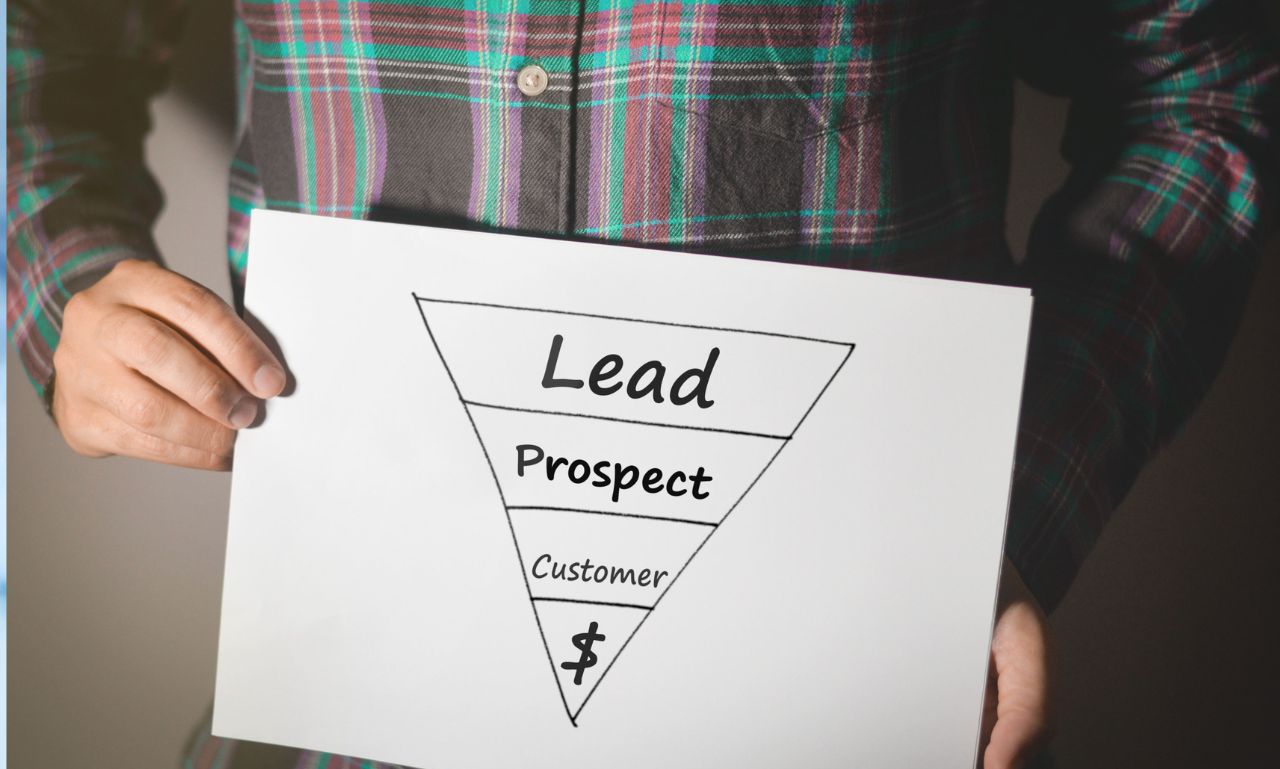
Every business wants more leads. Yet not every lead deserves the same amount of attention.
Sales teams often face a common challenge. Their pipeline is full, but revenue is not growing as expected. The issue usually isn’t the number of leads. Instead, it’s the quality of those leads.
A prospect who downloads an ebook and a prospect who requests a product demo are at very different stages of the buying journey. Treating them the same can waste time, reduce productivity, and lower conversion rates.
This is why understanding What Makes a Lead Qualified for Sales is so important. Qualified leads help businesses focus their efforts on prospects who are more likely to become paying customers.
Companies with strong lead qualification processes often see better sales efficiency and shorter sales cycles. According to HubSpot research, businesses that align marketing and sales teams around lead qualification generate significantly more revenue than those that do not.
Let’s look at what separates a promising prospect from a casual visitor.
What Is a Sales Qualified Lead (SQL)?
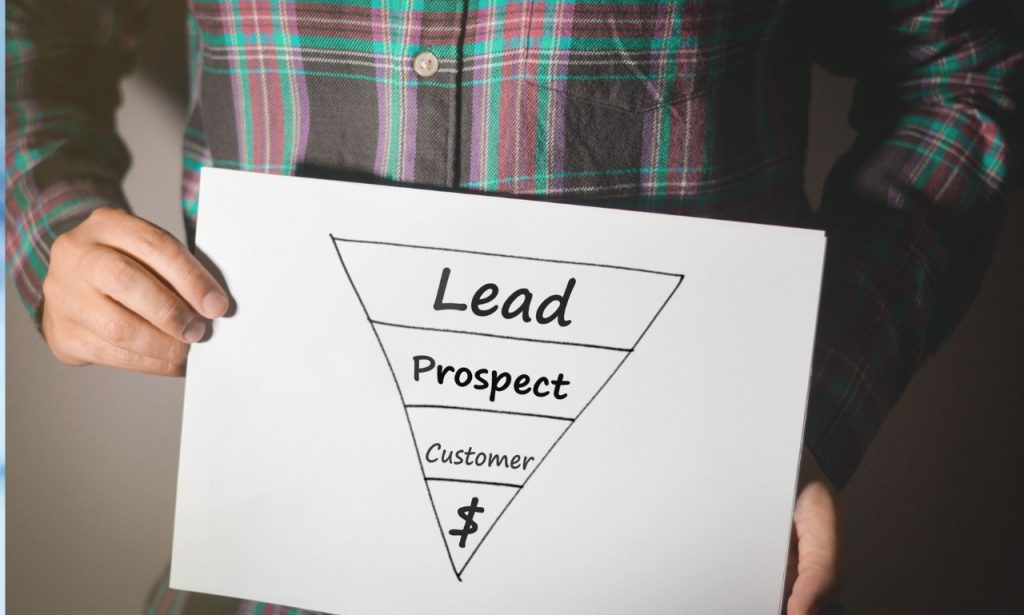
A Sales Qualified Lead, commonly known as an SQL, is a prospect who has demonstrated enough interest and buying potential to be passed from marketing to the sales team.
Unlike general leads, SQLs are considered ready for direct sales conversations. They have moved beyond basic awareness and are actively evaluating solutions.
Think about someone researching project management software. Reading a blog article is one thing. Booking a product demo after comparing competitors is another. The second prospect is much closer to making a purchasing decision.
How Sales Qualified Leads Differ from General Leads
General leads enter your funnel through various channels. They may subscribe to a newsletter, download a guide, or attend a webinar.
However, those actions alone do not indicate purchase intent.
Sales-qualified leads show stronger signals. They engage with pricing pages, request consultations, respond to outreach, or ask detailed questions about implementation.
Imagine running a B2B SaaS company. A visitor who spends ten minutes reviewing pricing options and submits a contact form demonstrates far more buying interest than someone who only reads a blog post.
The difference comes down to readiness. General leads are exploring. SQLs are evaluating.
Key Characteristics of a Sales-Ready Prospect
Sales-ready prospects usually share several important traits.
First, they have a clear problem that your product or service can solve. Second, they understand the need for a solution. Third, they are actively considering options.
Many SQLs also have purchasing authority or influence over buying decisions. Timing plays a role as well. Someone planning a purchase within the next month is generally more valuable than someone who may buy next year.
Strong engagement is another indicator. Frequent website visits, demo requests, and direct communication often signal serious intent.
When these elements come together, sales teams can confidently move forward.
What Criteria Determine Whether a Lead Is Qualified?
Lead qualification is not based on guesswork. Most organizations rely on specific criteria to evaluate potential customers.
These criteria help sales representatives determine whether investing time in a lead is likely to produce results.
Understanding Budget, Authority, Need, and Timeline (BANT)
One of the most recognized qualification methods is BANT.
The framework originated at IBM decades ago and remains widely used today.
Budget examines whether the prospect can afford the solution. Authority identifies who makes purchasing decisions. Need evaluates whether the product solves a meaningful problem. Timeline assesses when the prospect intends to buy.
For example, a company searching for a new CRM system, with executive approval and funding allocated for the current quarter, would score highly on BANT.
Without these factors, even interested prospects may not convert.
Behavioral Signals and Buyer Intent That Indicate Readiness
Not every prospect openly states their intentions.
This is where behavioral data becomes valuable.
Modern businesses track activities such as website visits, content downloads, email engagement, and product trial usage.
A prospect who repeatedly reviews pricing information often sends a stronger buying signal than someone who reads introductory articles.
Buyer intent platforms have become increasingly popular because they help identify prospects researching solutions across multiple channels.
Those signals give sales teams a clearer picture of purchase readiness before the first conversation even begins.
How Do Marketing and Sales Teams Qualify Leads?

Lead qualification works best when marketing and sales operate as a team.
Misalignment between departments often creates friction. Marketing may focus on lead volume while sales prioritizes lead quality.
Successful companies bridge that gap through shared definitions and qualification processes.
The Difference Between Marketing Qualified Leads (MQLs) and Sales Qualified Leads (SQLs)
Marketing Qualified Leads and Sales Qualified Leads are often confused, but they serve different purposes.
An MQL has shown interest in your brand. They might download content, attend events, or engage with campaigns.
SQL has moved beyond initial interest. They demonstrate stronger purchase intent and are ready for direct sales engagement.
A report from MarketingSherpa found that organizations with clearly defined MQL and SQL criteria achieve higher conversion rates because both teams understand when a lead should advance.
Clear definitions prevent opportunities from slipping through the cracks.
How Lead Scoring Helps Prioritize High-Value Opportunities
Lead scoring assigns numerical values to different actions and characteristics.
The goal is simple. Identify which prospects deserve immediate attention.
For instance, attending a webinar might earn ten points. Requesting a demo could earn fifty. Visiting the pricing page several times may add additional points.
Demographic information can also influence scores. Decision-makers often receive higher ratings than entry-level contacts.
When implemented correctly, lead scoring removes much of the uncertainty from qualification.
Instead of relying on intuition, sales teams use data to prioritize opportunities.
What Are the Most Effective Lead Qualification Frameworks?
Different businesses require different qualification approaches.
While BANT remains popular, several alternative frameworks offer additional flexibility.
Comparing BANT, CHAMP, MEDDIC, and GPCT Frameworks
BANT focuses on budget, authority, need, and timeline.
CHAMP shifts attention toward challenges first. It emphasizes understanding the prospect’s pain points before discussing budgets.
MEDDIC is commonly used in enterprise sales. The framework examines metrics, economic buyers, decision criteria, decision processes, identified pain points, and champions.
GPCT stands for Goals, Plans, Challenges, and Timeline. It encourages deeper conversations about business objectives rather than immediate purchasing factors.
Enterprise organizations often prefer MEDDIC because complex deals involve multiple stakeholders. Smaller businesses may find BANT or CHAMP easier to implement.
Each framework serves a specific purpose depending on sales complexity.
Choosing the Right Qualification Model for Your Business
No single framework works for every organization.
A startup selling low-cost software may need a simpler approach than a multinational technology provider managing million-dollar contracts.
Consider your sales cycle, average deal size, and buyer journey.
Testing multiple frameworks can reveal which model aligns best with customer behavior.
The best qualification process is not necessarily the most sophisticated one. It is the one your team consistently follows.
Common Lead Qualification Mistakes and Best Practices

Even experienced sales professionals sometimes make qualification mistakes.
Small errors can create major inefficiencies over time.
Why Unqualified Leads Waste Sales Resources
Every minute spent pursuing an unqualified lead represents lost opportunity.
Sales representatives have limited capacity. Filling calendars with poor-fit prospects reduces time available for high-potential buyers.
Many companies chase leads simply because they entered the funnel. Unfortunately, interest does not always equal intent.
A prospect without budget approval may seem promising. Yet months of follow-up may produce nothing.
Strong qualifications prevent these situations from draining resources.
Best Practices for Improving Lead Quality and Conversion Rates
Successful organizations continuously refine their qualification process.
Regular communication between marketing and sales helps maintain alignment. Teams should review qualification criteria periodically and adjust based on market conditions.
Data analysis also plays a crucial role. Examining closed deals often reveals patterns that improve future qualification efforts.
Technology can help, but conversations remain essential. A well-structured discovery call often uncovers insights that software cannot.
Ask yourself this question: Are your sales teams spending more time selling or sorting through leads?
If the answer is the latter, your qualification process may need improvement.
Conclusion
Understanding What Makes a Lead Qualified for Sales can transform the way businesses generate revenue. Rather than pursuing every prospect equally, successful organizations focus on leads with genuine buying potential.
Qualification frameworks, behavioral signals, lead scoring, and alignment between marketing and sales all contribute to better outcomes. Companies that master these practices spend less time chasing poor-fit prospects and more time closing valuable deals.
The next time a new lead enters your pipeline, take a closer look. Are they simply interested, or are they truly ready to buy? The answer can make all the difference.
Also Read: How Do Small Businesses Manage Growth Without Hiring More Staff?
FAQs
A sales-qualified lead is a prospect who has shown sufficient buying intent and meets specific criteria for contact by the sales team.
A qualified lead typically has a clear need, purchasing authority, available budget, and a realistic buying timeline.
An MQL shows marketing engagement, while an SQL demonstrates stronger purchase intent and readiness for sales conversations.
Lead qualification helps sales teams focus on prospects most likely to convert, improving efficiency and revenue.
Leave a Reply