Category: Corporate Strategy & Operations

  • What Is Strategic Drift and How Can Businesses Avoid It?

    What Is Strategic Drift and How Can Businesses Avoid It?

    Have you ever seen a once-successful company slowly lose its spark?

    It usually does not happen overnight. Sales may still come in. Customers may still recognize the brand. The leadership team may still believe the business is strong.

    Then, little by little, things start to feel off.

    Competitors move faster. Customers want something different. Technology changes the rules. The company keeps using the same old strategy, hoping yesterday’s wins will carry tomorrow’s growth.

    That is strategic drift.

    Understanding what strategic drift is and how businesses can avoid it matters because no business is safe from change. Even big brands with deep pockets can lose their way when they stop paying attention to the market.

    The good news? Strategic drift can be spotted early. Better yet, it can be prevented with the right mindset, systems, and leadership habits.

    Why Strategic Drift Threatens Long-Term Business Success?

    What Is Strategic Drift and How Can Businesses Avoid It?

    Strategic drift is dangerous because it often feels harmless at first. A small drop in customer interest may look temporary. A slower sales cycle may seem normal. A new competitor may look too small to worry about.

    But small cracks can become big problems.

    When a company drifts, it slowly loses its competitive edge. Customers are beginning to choose faster, smarter, or more convenient alternatives. Employees may feel frustrated because they see problems that leadership is ignoring. Investors may lose confidence when growth slows.

    The biggest risk is timing. Many businesses wait until the damage is obvious before they act. By then, catching up becomes expensive, stressful, and sometimes impossible.

    A business does not fail because the market changes. It fails because it refuses to change with the market.

    What Causes Strategic Drift in Organizations?

    Internal Factors That Lead to Strategic Drift

    Strategic drift often starts inside the company.

    One major cause is leadership comfort. When a strategy has worked for years, leaders may feel loyal to it. They may say, “This is how we have always done it.” That sentence sounds harmless, but in business, it can be a warning bell.

    Company culture also plays a big role. If employees are afraid to question decisions, fresh ideas die quietly. Frontline teams often notice customer changes first, but their insights may never reach the boardroom.

    Another problem is poor communication. Marketing may see one thing, sales may hear another, and leadership may rely on outdated reports. When departments work in silos, the business misses the full picture.

    Overconfidence can also create drift. A company that dominates today may assume customers will stay loyal tomorrow. But loyalty has limits. People go where they find better value, easier service, and stronger experiences.

    Ask yourself this: when was the last time your business challenged its own assumptions?

    External Forces That Accelerate Strategic Drift

    Sometimes, the pressure comes from outside.

    Technology is one of the biggest forces. A new tool, platform, or business model can change an entire industry. Streaming changed entertainment. Mobile apps changed banking. E-commerce changed retail.

    Customer behavior can shift just as quickly. People now expect speed, personalization, convenience, and transparency. If a business cannot meet those expectations, someone else will.

    Competition also accelerates strategic drift. New companies often enter the market with fewer old habits. They test faster, listen more closely, and take risks that established businesses avoid.

    Economic shifts can add more pressure. Inflation, supply chain issues, new regulations, and global events can change how customers spend money.

    External change is not the enemy. Ignoring it is.

    Smart businesses watch the market like a hawk. They study competitors, listen to customers, and treat change as useful information rather than an annoying interruption.

    How to Identify Strategic Drift Before It Becomes a Crisis

    Common Warning Signs and Symptoms of Strategic Drift

    Strategic drift leaves clues. You have to be honest enough to notice them.

    One warning sign is slowing growth. The business may still be growing, but not as fast as the market. That gap matters because it shows competitors may be capturing opportunities faster.

    Customer feedback is another clue. If people keep asking for features, services, or experiences the business does not offer, pay attention. Complaints are not just criticism. They are free market research.

    Innovation may also slow down. Teams become busy maintaining what already exists instead of building what customers will need next.

    Employee frustration can be another signal. Good employees often know when a company is falling behind. If their ideas keep getting dismissed, they may stop speaking up or leave altogether.

    A decline in market share is one of the clearest symptoms. When customers start moving elsewhere, the business needs to ask why without making excuses.

    A useful question is this: if your company launched today, would it still choose the same strategy?

    The Four Stages of Strategic Drift Explained

    Strategic drift usually develops in stages.

    The first stage is a small change. The market begins shifting, but the company still performs well. At this point, small adjustments can keep the business aligned.

    The second stage is actual drift. Customer needs and market conditions change faster than the company responds. The strategy begins to lose momentum, but leaders may not yet feel the urgency.

    The third stage is strategic confusion. Performance drops become harder to ignore. Leaders may try quick fixes, copy competitors, or launch random changes without a clear plan.

    The final stage is transformation or decline. The business either makes serious changes or continues losing relevance. Some companies reinvent themselves. Others become cautionary tales.

    The earlier a company acts, the easier recovery becomes. Waiting until stage four is like trying to fix a roof during a thunderstorm. Possible? Yes. Fun? Not even close.

    Real-World Examples of Strategic Drift and Key Lessons

    Famous Companies That Failed Due to Strategic Drift
    What Is Strategic Drift and How Can Businesses Avoid It?

    Blockbuster is one of the most famous examples of strategic drift.

    For years, it dominated video rentals. Families visited stores on weekends, picked movies, bought snacks, and paid late fees when they forgot to return DVDs. It was a familiar routine.

    Then Netflix changed the game.

    Netflix started with DVD delivery and later moved into streaming. Blockbuster had opportunities to respond earlier, but it remained too tied to its physical-store model. By the time the company took digital seriously, customer habits had already shifted.

    Nokia is another powerful example. It was once a leader in mobile phones. But when smartphones changed what people expected from mobile devices, Nokia struggled to keep pace with Apple and Android competitors.

    These companies were not clueless. They had talent, resources, and brand recognition. What they lacked was the ability to move quickly when the market changed.

    That is the painful truth about strategic drift. Big companies can still fall when they move too slowly.

    Businesses That Successfully Adapted and Avoided Strategic Drift

    Now let’s look at the other side.

    Microsoft is a strong example of successful adaptation. For years, many people saw it mainly as a Windows and Office company. Under Satya Nadella’s leadership, Microsoft shifted strongly toward cloud computing, subscriptions, artificial intelligence, and enterprise solutions.

    That shift helped the company regain energy and market strength.

    Adobe also adapted well. Instead of relying only on one-time software sales, it moved to a subscription model through Creative Cloud. At first, some customers complained. Over time, the model created steady revenue and made updates easier to deliver.

    Amazon is another example. It started as an online bookstore. Today, it operates in e-commerce, cloud computing, advertising, entertainment, logistics, and more. The company keeps asking what customers will need next.

    These examples show that avoiding drift is not about chasing every trend. It is about knowing when a real shift is happening and having the courage to respond.

    How Businesses Can Prevent Strategic Drift and Stay Competitive

    Strategic Frameworks and Best Practices for Maintaining Alignment

    Preventing strategic drift starts with regular strategy reviews. A business should not wait five years to ask whether its strategy still makes sense.

    Quarterly reviews can help leaders spot market changes early. These reviews should look at customer behavior, competitor moves, technology trends, and financial Performance.

    Scenario planning is another useful practice. Instead of betting everything on a single future, businesses can prepare for multiple possible outcomes. What happens if a new competitor enters? What happens if customer budgets shrink? What happens if technology changes delivery costs?

    Companies should also track leading indicators. Sales numbers show what has already happened. Customer sentiment, website behavior, product usage, and support requests can show what may happen next.

    Listening to customers is still one of the best strategies. Not in a shallow “send a survey and forget it” way. Real listening means studying complaints, reading reviews, interviewing customers, and acting on what you learn.

    The best businesses do not treat strategy as a document. They treat it as a living conversation.

    Building an Agile, Innovation-Driven Culture for Long-Term Success

    What Is Strategic Drift and How Can Businesses Avoid It?

    Culture can either protect a business from strategic drift or push it straight into it.

    An agile culture encourages people to test, learn, and improve. It does not punish every failed experiment. Instead, it asks, “What did we learn, and what should we try next?”

    Innovation should not belong only to one department. Sales, marketing, operations, finance, and customer service all see different parts of the business. When those insights come together, better decisions happen.

    Leaders must also create space for honest conversations. If employees only say what management wants to hear, the company will miss early warning signs.

    Training matters too. Markets change, so skills must change. Businesses that invest in learning give employees the confidence to handle new tools, new customer expectations, and new ways of working.

    Avoiding drift requires humility. A company must be willing to admit that what worked before may not work forever.

    That mindset keeps a business sharp.

    Conclusion

    Strategic drift is quiet but powerful.

    It starts when a business slowly becomes disconnected from its market. Customers change, technology advances, competitors adapt, and the company keeps following an outdated path.

    The best way to avoid strategic drift is to stay curious. Watch your customers. Review your strategy often. Encourage honest feedback. Invest in innovation. Most importantly, do not let past success make you lazy.

    Understanding What Is Strategic Drift and How Businesses Can Avoid It helps leaders protect their companies from a slow decline. The companies that win are not always the biggest. They are often the ones willing to adapt before they are forced to.

    So here is the question worth taking back to your team: are you building for the market as it is today, or the market as it used to be?

    Also Read: How Can Small Businesses Reduce Operational Costs Without Downsizing?

    FAQs

    1. What is strategic drift?

    Strategic drift occurs when a business strategy gradually becomes outdated as the market, customers, or industry changes.

    2. What causes strategic drift?

    It can be caused by poor leadership, resistance to change, weak innovation, new technology, and changing customer expectations.

    Why is strategic drift dangerous?

    It can reduce competitiveness, slow growth, lower customer loyalty, and make it harder for a business to recover.

    4. How can businesses avoid strategic drift?

    Businesses can avoid it through regular strategy reviews, customer research, innovation, agile planning, and open communication.
  • What Causes Strategy Execution Failures in Companies?

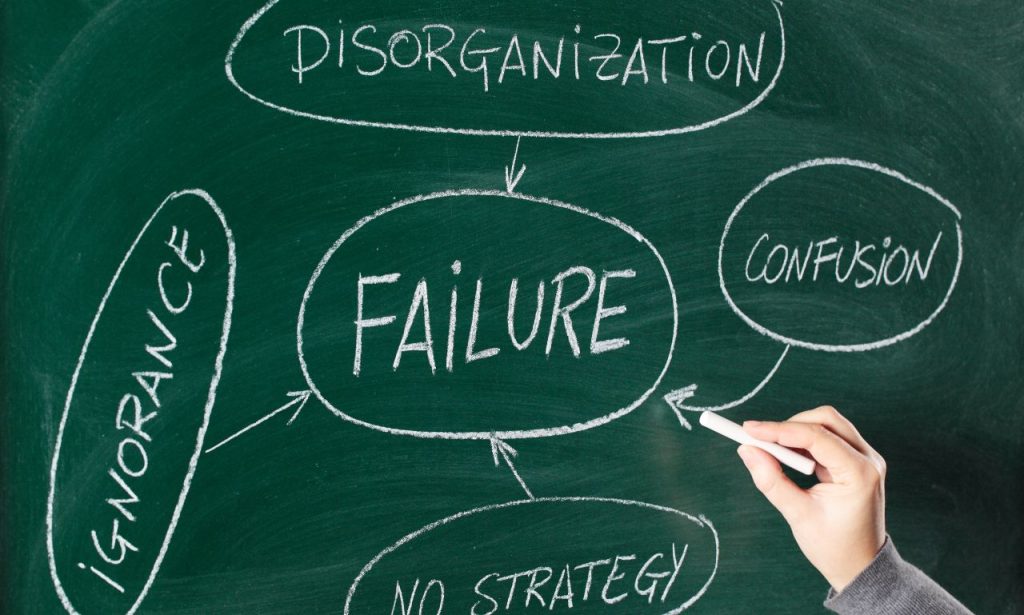
    What Causes Strategy Execution Failures in Companies?

    Have you ever watched a company announce an exciting new strategy only to see it quietly disappear months later?

    It happens more often than most people realize.

    Business leaders spend countless hours creating strategic plans. They hire consultants, conduct market research, and hold meetings to map out the future. Everything looks promising on paper. Then reality sets in. Deadlines get missed, teams lose focus, priorities shift, and the strategy fails to deliver the expected results.

    Here’s the surprising part. Most organizations do not fail because they have bad strategies. They fail because they struggle to execute them.

    So, what causes strategy execution failures in companies? The answer usually involves several factors working together. Communication breakdowns, leadership challenges, cultural barriers, and resource constraints often create a perfect storm that prevents success.

    Let’s explore why execution fails and what businesses can do to improve their chances of turning strategy into results.

    Understanding Strategy Execution and Why It Matters

    What Causes Strategy Execution Failures in Companies?

    What Is Strategy Execution in Business?

    Strategy execution is the process of transforming a company’s vision and goals into measurable actions and outcomes.

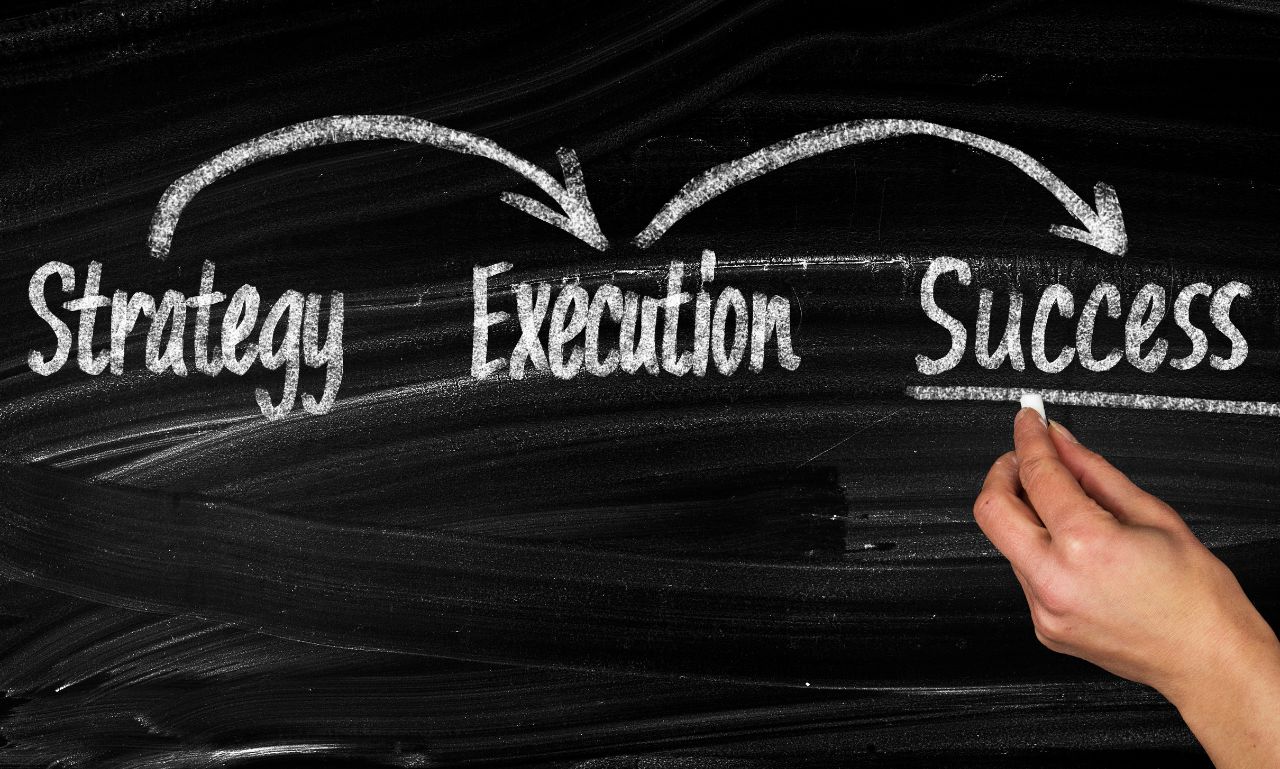
    Think about it this way. A strategy tells you where you want to go. Execution determines whether you actually get there.

    Many organizations create ambitious plans to increase revenue, improve customer experience, expand into new markets, or strengthen their competitive position. Those goals sound impressive. However, achieving them requires people, processes, systems, and resources working together toward the same objective.

    Without effective execution, strategy remains little more than a document sitting in a boardroom presentation.

    Companies that execute well create clarity across departments. Employees understand priorities, managers know what needs to be accomplished, and leaders can measure progress effectively. Every action supports the broader mission.

    Execution bridges the gap between ideas and results.

    The Difference Between Strategy Formulation and Strategy Execution

    Business leaders often use the terms strategy and execution interchangeably, but they represent two very different activities.

    Strategy formulation focuses on deciding what the organization wants to achieve. It involves analyzing competitors, understanding market trends, identifying opportunities, and setting long-term goals.

    Execution begins once those decisions have been made.

    At this stage, leaders must answer practical questions. Who is responsible? What resources are required? How will progress be measured? What obstacles might arise?

    Kodak provides a well-known example. The company recognized the importance of digital photography long before many competitors. Its strategic vision was accurate. Unfortunately, the organization struggled to execute the transition effectively. Internal resistance and slow implementation prevented Kodak from capitalizing on the opportunity.

    The lesson is simple. A smart strategy alone is not enough. Success depends on execution.

    The Most Common Causes of Strategy Execution Failures

    Poor Communication and Lack of Strategic Alignment

    One of the biggest reasons strategies fail is surprisingly simple: people do not fully understand them.

    Executives may spend months discussing strategic priorities, but employees on the front lines often receive little information about what those priorities mean for their daily work.

    As a result, departments start moving in different directions. Marketing focuses on growth, operations focuses on efficiency, and customer service prioritizes customer satisfaction. While each objective may seem reasonable, a lack of alignment creates confusion and inefficiency.

    Gallup research consistently shows that employees perform better when they understand organizational goals. When communication is unclear, engagement drops and execution suffers.

    Imagine joining a road trip without knowing the destination. You might keep moving, but chances are you’ll end up somewhere unexpected.

    The same thing happens inside organizations.

    Inadequate Resource Allocation and Competing Priorities

    Many companies fall into the trap of trying to accomplish too much at once.

    A new product launch gets announced. A digital transformation initiative begins. Expansion plans move forward. Meanwhile, leaders expect employees to maintain normal operations.

    Eventually, something has to give.

    Strategy execution requires more than ambition. It demands adequate resources, including funding, skilled personnel, technology, and time.

    Businesses frequently underestimate what successful implementation requires. Teams become overwhelmed, projects stall, and priorities compete for attention.

    Consider how many retailers struggled during the shift to e-commerce. Some companies recognized the importance of digital sales early. Yet without sufficient investment in technology and talent, their strategies never produced meaningful results.

    Execution improves when organizations focus on fewer priorities and commit resources accordingly.

    How Leadership and Organizational Culture Influence Execution Success

    Leadership Gaps That Prevent Strategic Goals from Being Achieved

    Leadership can make or break a strategy.

    Employees pay close attention to leadership behavior. When executives consistently reinforce strategic priorities, teams stay focused. When leaders send mixed messages, confusion spreads quickly.

    One common mistake involves chasing short-term results at the expense of long-term goals. A company may launch a strategic initiative only to abandon it when quarterly pressures emerge.

    Another issue is the lack of accountability. Some leaders set ambitious objectives but fail to establish clear ownership. Without accountability, important initiatives often lose momentum.

    Nokia’s decline in the smartphone market highlights this challenge. Analysts have pointed to leadership indecision and slow responses to industry changes as factors that contributed to the company’s struggles.

    Strong leaders keep organizations focused even when circumstances become difficult.

    How Company Culture Can Support or Undermine Execution

    Culture influences execution more than many organizations realize.

    You can have the best strategy in the world, but if employees resist change, progress becomes difficult.

    A healthy culture encourages collaboration, innovation, accountability, and continuous improvement. Employees feel comfortable sharing ideas and solving problems.

    On the other hand, a culture built on fear, bureaucracy, or rigid hierarchy often slows decision-making and discourages initiative.

    Microsoft’s transformation under Satya Nadella demonstrates the power of culture. By promoting a growth mindset and encouraging collaboration, the company created an environment that supported strategic change and innovation.

    Culture shapes how people behave when nobody is watching. That influence plays a major role in determining whether strategies succeed or fail.

    Warning Signs That a Company’s Strategy Is Failing

    Key Indicators of Strategy Execution Problems

    What Causes Strategy Execution Failures in Companies?

    Strategy execution problems rarely appear overnight.

    In most cases, warning signs emerge long before serious consequences become visible.

    Missed deadlines often provide the first clue. Teams consistently push back milestones, and projects take longer than expected.

    Employee confusion can also signal trouble. If workers struggle to articulate the company’s priorities, alignment may be lacking.

    Another indicator involves declining engagement. People become frustrated when objectives seem unclear or disconnected from daily responsibilities.

    Customer feedback offers additional insights. Rising complaints, lower satisfaction scores, and declining retention rates may indicate that strategic initiatives are not delivering the intended value.

    Successful leaders pay attention to these signals before they evolve into larger problems.

    The Financial and Operational Consequences of Failed Execution

    Poor execution creates consequences that extend far beyond missed targets.

    Financial performance often suffers first. Investments fail to generate expected returns, revenue growth slows, and profitability declines.

    Operational inefficiencies soon follow. Teams duplicate efforts, resources get wasted, and productivity decreases.

    Competitive position can weaken as well. While one company struggles to implement its strategy, competitors continue moving forward.

    Blockbuster provides a classic example. The company recognized changing consumer preferences but failed to execute an effective response. Netflix, meanwhile, successfully implemented its digital strategy and transformed the entertainment industry.

    Execution failures rarely remain isolated. They ripple throughout the organization.

    How Companies Can Improve Strategy Execution and Achieve Better Results

    Best Practices for Translating Strategy into Actionable Goals

    What Causes Strategy Execution Failures in Companies?

    Improving execution starts with clarity.

    Employees need to understand not only what the organization wants to achieve but also how their work contributes to those goals.

    Successful companies break large objectives into manageable actions. They establish realistic milestones, assign responsibilities, and communicate expectations clearly.

    Regular updates help maintain alignment. Instead of discussing strategy once a year, leaders revisit priorities consistently.

    Focus also matters. Organizations that concentrate on a handful of critical initiatives often outperform those trying to pursue dozens of objectives simultaneously.

    Here’s a useful question to consider. If you stopped ten employees in the hallway and asked about the company’s top priorities, would their answers match?

    If not, execution may already be at risk.

    Tools, Metrics, and Accountability Systems That Drive Execution Success

    Great execution requires visibility.

    Organizations need reliable ways to track progress, identify obstacles, and make adjustments when necessary.

    Key Performance Indicators (KPIs) provide measurable insights into strategic performance. Balanced scorecards help leaders monitor multiple objectives simultaneously.

    Project management platforms such as Asana, Monday.com, and Microsoft Project improve transparency and coordination across teams.

    Accountability systems are equally important. Every strategic initiative should have a clearly defined owner responsible for delivering results.

    Regular performance reviews create opportunities to address challenges before they escalate.

    Technology alone cannot solve execution problems. However, when combined with strong leadership and accountability, the right tools can significantly improve outcomes.

    Conclusion

    What causes strategy execution failures in companies? More often than not, the problem is not the strategy itself. The real challenge lies in turning plans into action.

    Poor communication, leadership gaps, cultural resistance, inadequate resources, and weak accountability all contribute to execution failures. Left unchecked, these issues can derail even the most promising initiatives.

    Organizations that succeed understand a simple truth. Strategy is important, but execution is where results are created.

    The next time your company launches a new strategic initiative, ask yourself a simple question: Does everyone know exactly what needs to happen next?

    The answer could determine whether the strategy becomes a success story or another forgotten plan.

    Also Read: How Do Companies Measure Operational Efficiency?

    FAQs

    Why do companies struggle with strategy execution?

    Many organizations fail to align employees, processes, and resources with strategic objectives, making implementation difficult.

    How can leaders improve strategy execution?

    Leaders can improve execution by communicating goals clearly, assigning ownership, tracking progress, and maintaining accountability.

    What role does organizational culture play in strategy execution?

    Culture influences employee behavior, collaboration, and adaptability, all of which directly affect execution success.

    How can businesses measure the success of strategy execution?

    Businesses commonly use KPIs, performance reviews, project milestones, and balanced scorecards to monitor progress and outcomes.

  • How Do Companies Measure Operational Efficiency?

    How Do Companies Measure Operational Efficiency?

    Every company wants to grow, but growth gets expensive when operations are messy. Sales may look good on paper, yet profits can shrink if teams waste time, inventory sits too long, or processes move slower than they should.

    Think of it like running a restaurant. You may have a full dining room every night, but if food waste is high, staff scheduling is poor, and customers wait too long, the business is not truly efficient. It is just busy.

    That is why operational efficiency matters. It shows how well a company uses its resources to create value. The goal is not to cut corners. The goal is to reduce waste, improve output, and protect quality at the same time.

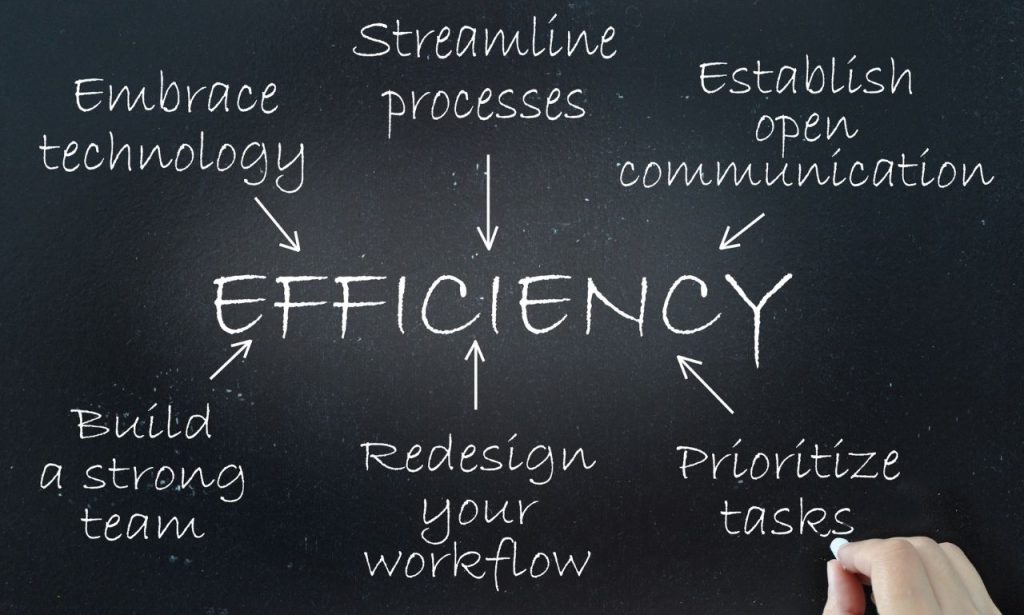
    So, How Do Companies Measure Operational Efficiency? They look at financial metrics, operational KPIs, process performance, technology, and improvement strategies. The best companies do not guess. They measure, adjust, and keep improving.

    What Is Operational Efficiency and Why Does It Matter?

    Understanding Operational Efficiency in Modern Business

    How Do Companies Measure Operational Efficiency?

    Operational efficiency is the ability of a company to deliver products or services using the least possible waste. This includes money, labor, time, equipment, materials, and energy. A business is efficient when it produces strong results without draining unnecessary resources.

    Efficiency is often confused with productivity and effectiveness. Productivity measures how much work gets done. Effectiveness measures whether the right goal was achieved. Efficiency looks at how smoothly and wisely the work was completed.

    For example, two factories may produce 5,000 products in a week. If one factory uses fewer hours, less energy, and fewer rejected products, it is more efficient. The output is similar, but the resource use is better.

    This is why operational efficiency has become a critical business objective. Costs are rising, customers expect faster service, and competition is tougher than ever. A company that wastes resources today may struggle to survive tomorrow.

    The Impact of Operational Efficiency on Business Performance

    Operational efficiency affects almost every part of a business. When processes work well, costs usually go down. Companies spend less on overtime, wasted materials, rework, storage, and delays. Those savings can then support growth, marketing, technology, or better customer service.

    Customer satisfaction also improves. People may not care how a warehouse works, but they care when their order arrives late. Amazon became a powerful example of this. Its success is not just about selling products. It is also about fast fulfillment, smart logistics, and reliable delivery.

    Efficiency can also create a competitive advantage. A company with lower operating costs can price more competitively, move faster, and respond more quickly to market changes. In simple terms, it has more room to breathe.

    Profitability improves when companies reduce waste without reducing quality. That is the sweet spot. The business earns more from the same or even fewer resources.

    What Key Performance Indicators (KPIs) Do Companies Use to Measure Operational Efficiency?

    Financial Metrics That Reflect Operational Efficiency

    Financial metrics help leaders see whether operations are supporting profit or eating into it. One common metric is operating margin. It shows how much profit remains after deducting operating expenses from revenue. A higher operating margin usually means the company is controlling costs well.

    Cost per unit is another useful metric. It shows how much it costs to produce one product or deliver one service. If a company lowers cost per unit while maintaining quality, efficiency is improving.

    Return on assets, often abbreviated as ROA, measures how effectively a company uses its assets to generate profit. Assets may include machines, buildings, vehicles, software, or equipment. A strong ROA shows that the company is not letting valuable resources sit idle.

    Inventory turnover is especially important for retailers, manufacturers, and distributors. It shows how quickly stock is sold and replaced. High turnover often means inventory is moving well. Low turnover may suggest overstocking, poor demand planning, or slow sales.

    Working capital efficiency assesses how well a company manages its short-term cash. It considers cash, receivables, inventory, and short-term debts. If too much cash is tied up in unpaid invoices or excess stock, operations can become strained.

    Operational Metrics Used Across Industries

    Operational metrics show what is happening inside daily workflows. Cycle time measures how long it takes to complete a process from start to finish. A shorter cycle time often means work is moving faster and with fewer delays.

    Throughput measures how much work is completed in a set period. In manufacturing, it may refer to the number of units produced per hour. In customer service, it may mean tickets resolved per day. Higher throughput is helpful only when quality remains strong.

    Capacity utilization shows how much of a company’s available resources are being used. Low utilization may mean machines, staff, or space are underused. Very high utilization may sound good, but it can lead to burnout, breakdowns, or mistakes.

    First-pass yield measures how often work is done right the first time. This matters because rework is expensive. Toyota’s production system became famous partly because it focused heavily on reducing defects and improving quality at every step.

    Employee productivity rates help companies understand workforce output. This does not mean squeezing people dry. It means checking whether employees have the tools, training, and support needed to perform well.

    How Do Companies Evaluate Operational Processes and Performance?

    Process Analysis Methods Used to Identify Inefficiencies

    How Do Companies Measure Operational Efficiency?

    Metrics are useful, but they do not always show why a problem exists. That is where process analysis comes in. Companies use process mapping to show each step in a workflow visually. Once everything is mapped out, wasted steps become easier to spot.

    Workflow analysis examines how tasks move among people, departments, and systems. Many businesses discover that delays happen during handoffs. One team finishes its work, but the next team waits for approval, missing information, or access to a tool.

    Value stream mapping goes deeper by separating activities that create customer value from activities that do not. This method is common in Lean management. It helps companies ask a simple but powerful question: does this step actually help the customer?

    Bottleneck identification is another key method. A bottleneck is the slowest point in a process. It controls how fast everything else can move. Fixing one bottleneck can sometimes improve the entire operation.

    Lean process assessment helps companies find waste such as overproduction, waiting time, unnecessary movement, excess inventory, and avoidable errors. These issues may look small on their own, but together they can quietly drain profit.

    Benchmarking and Performance Comparisons

    Benchmarking helps companies understand whether their performance is strong, average, or poor. Internal benchmarking compares teams, departments, branches, or locations within the same company. If one branch serves customers faster, leaders can study what it is doing differently.

    Competitive benchmarking compares performance against other companies in the market. This can reveal gaps in pricing, delivery speed, customer service, production cost, or quality. It also helps leaders avoid operating in a bubble.

    Industry standards and best practices provide another useful point of comparison. A company may feel efficient internally but still fall behind industry leaders. Benchmarks help bring reality into the room.

    Setting realistic performance targets is just as important. A goal should stretch the team, but it should not be impossible. Unrealistic targets can damage morale and encourage shortcuts.

    The best companies use benchmarking as a learning tool, not a blame tool. The goal is to find better ways of working and then apply them consistently.

    What Tools and Technologies Help Measure Operational Efficiency?

    Business Intelligence and Data Analytics Solutions

    Modern companies rely heavily on data to measure operational efficiency. Business intelligence tools help turn raw information into useful insights. Instead of digging through spreadsheets all day, managers can view dashboards that clearly show performance.

    Dashboards and reporting tools track metrics such as sales, costs, cycle time, inventory, productivity, and customer service performance. When this data is easy to see, teams can respond faster.

    Real-time performance monitoring is especially useful in fast-moving industries. A logistics company, for example, can track delivery delays as they happen. A manufacturer can monitor machine downtime before it disrupts production.

    Predictive analytics helps companies look ahead. It uses past data to forecast demand, equipment failure, staffing needs, or supply chain risks. This gives leaders time to act before problems become expensive.

    Data-driven decision-making reduces guesswork. Instead of saying, “I think this process is slow,” leaders can say, “The data shows this step adds two extra days.” That changes the conversation completely.

    Automation and Enterprise Management Systems

    Automation helps companies measure and improve efficiency by reducing manual work. Enterprise resource planning systems, commonly called ERP systems, connect departments such as finance, inventory, procurement, production, and human resources. This gives leaders a clearer view of operations.

    Customer relationship management platforms, or CRMs, help companies track sales activity, customer interactions, service issues, and follow-ups. When customer data is organized, teams waste less time searching for information.

    Manufacturing execution systems, known as MES tools, are valuable in production environments. They track what happens on the factory floor, including machine performance, production output, downtime, and quality issues.

    Workflow automation software helps remove repetitive tasks. For example, approvals, reminders, reporting, and data entry can often be automated. This saves time and reduces human error.

    AI-powered operational monitoring is also growing quickly. AI can detect unusual patterns, flag risks, and suggest improvements. It does not replace human judgment, but it can help teams see problems earlier.

    How Can Companies Improve Operational Efficiency After Measuring It?

    Strategies for Increasing Efficiency Across Departments

    How Do Companies Measure Operational Efficiency?

    Once a company measures efficiency, the next step is improvement. Lean management principles are often used to reduce waste and focus on activities that create customer value. This approach encourages teams to simplify processes and remove unnecessary steps.

    Six Sigma methodologies focus on reducing defects and variation. Companies use Six Sigma to improve quality, lower error rates, and create more predictable results. It is especially useful in industries where mistakes are costly.

    Workforce training and development also matter. A company can buy the best software in the world, but poorly trained employees will still struggle. Training helps people work faster, make better decisions, and spot issues before they grow.

    Resource allocation optimization ensures that people, money, tools, and equipment are used where they create the most value. Some teams may be overloaded while others are underused. Good resource planning brings better balance.

    Continuous process improvement keeps efficiency from becoming a one-time project. Small improvements, made regularly, can create major long-term gains. It is like fitness. One workout helps, but consistency changes everything.

    Common Challenges and Best Practices for Sustained Efficiency

    Improving efficiency sounds simple until people have to change how they work. Resistance to change is one of the biggest challenges. Employees may worry that new systems will make their jobs harder or less secure.

    Maintaining data accuracy is another issue. Poor data leads to poor decisions. If inventory numbers are wrong or employee productivity is measured unfairly, leaders may fix the wrong problem.

    Companies also need to balance efficiency with quality. Cutting costs too aggressively can hurt customer experience. Nobody wants faster service if it comes with more mistakes.

    Creating a culture of continuous improvement helps solve this. Employees should feel encouraged to suggest better ways of working. Often, the person closest to the process knows exactly where the waste is hiding.

    Regular performance reviews and KPI tracking keep progress on course. Companies should review results, discuss lessons learned, and update goals as needed. Efficiency is not a finish line. It is a habit.

    Conclusion

    How Do Companies Measure Operational Efficiency? They measure it by looking at the numbers, studying the processes, comparing performance, and using technology to uncover what is really happening.

    The strongest businesses do not rely on guesswork. They track operating margin, cost per unit, cycle time, throughput, inventory turnover, employee productivity, and other key metrics. Then they use those insights to improve workflows, reduce waste, and better serve customers.

    Operational efficiency is not about doing everything cheaper. It is about doing the right things better. When a company gets that balance right, growth becomes easier, profits become stronger, and customers feel the difference.

    If your business were to review its operations today, what would it find? A small bottleneck? A costly delay? A process everyone complains about, but nobody fixes? Start there. That is usually where the biggest opportunity is hiding.

    Also Read: What Causes Strategy Execution Failures in Companies?

    FAQs

    What is operational efficiency?

    Operational efficiency is the ability to deliver products or services using the least waste, time, money, and resources.

    What is the best KPI for measuring operational efficiency?

    Operating margin is one of the best KPIs because it shows how well a company controls costs while generating revenue.

    Why do companies measure operational efficiency?

    Companies measure it to reduce waste, improve productivity, increase profits, and deliver better customer experiences.

    How often should operational efficiency be measured?

    Most companies track important efficiency metrics continuously and review deeper performance trends monthly or quarterly.

    Can small businesses measure operational efficiency?

    Yes. Small businesses can measure cycle time, cost per unit, employee productivity, inventory turnover, and customer response time.

  • How Do Successful Companies Align Teams With Business Goals?

    How Do Successful Companies Align Teams With Business Goals?

    Have you ever sat through a company meeting, listened to ambitious goals for the year, and then walked away wondering what those goals actually meant for your job?

    You’re not alone.

    Many businesses have talented employees, strong products, and ambitious leaders. Yet they struggle to achieve consistent growth because their teams aren’t working toward the same objectives. One department focuses on increasing sales, another prioritizes customer satisfaction, while a third chases operational efficiency. Everyone stays busy, but progress feels slower than it should.

    This is where alignment becomes a game-changer.

    Team alignment occurs when employees understand the company’s priorities and know exactly how their work contributes to achieving them. Business goal alignment ensures every department, team, and individual effort supports the organization’s larger objectives.

    So, How Do Successful Companies Align Teams With Business Goals? The answer goes far beyond annual planning sessions and motivational speeches. It involves clear communication, measurable goals, strong leadership, and a culture that keeps everyone focused on shared outcomes.

    Let’s explore the strategies successful organizations use to make alignment a competitive advantage.

    What Does It Mean to Align Teams With Business Goals?

    Understanding Team Alignment and Strategic Alignment

    How Do Successful Companies Align Teams With Business Goals?

    Think about an orchestra preparing for a major performance. Every musician may be highly skilled, but if they play different songs at different tempos, the result is noise instead of music.

    Businesses work the same way.

    Team alignment means employees understand the company’s priorities and how their responsibilities support those priorities. Strategic alignment takes things further by ensuring departments and teams contribute directly to long-term organizational goals.

    When alignment is strong, decisions become easier. Employees know which projects deserve attention and which distractions to avoid. They understand not only what they need to do but also why their work matters.

    Companies like Amazon have mastered this concept. From leadership teams to frontline employees, there is a clear understanding of the company’s customer-focused mission. This consistency helps employees make decisions that support broader business objectives without needing constant oversight.

    Alignment also creates clarity during periods of change. Markets shift, customer expectations evolve, and competitors emerge. Teams that understand the bigger picture can adapt more quickly because they know what the organization is ultimately trying to achieve.

    Why Alignment Matters for Organizational Performance

    Alignment affects far more than productivity. It influences culture, engagement, profitability, and innovation.

    When employees understand company goals, they spend less time second-guessing priorities. Work moves faster because people know what success looks like. Resources are allocated more effectively because everyone is pursuing common outcomes.

    Harvard Business Review has highlighted that organizations with strong strategic alignment often outperform competitors in execution and growth. The reason is simple. People make better decisions when they understand the destination.

    Misalignment creates costly problems. Marketing may generate leads that sales doesn’t want. Product teams might build features customers never requested. Managers often find themselves resolving conflicts caused by competing priorities.

    On the other hand, aligned organizations create momentum. Teams collaborate more naturally, employees feel more connected to the mission, and leadership spends less time correcting course.

    Perhaps most importantly, alignment gives employees a sense of purpose. People want to know that their work contributes to something meaningful. When they can clearly see that connection, motivation tends to follow.

    How Successful Companies Create a Shared Vision and Clear Objectives

    Communicating Company Mission, Vision, and Strategic Priorities

    One of the biggest misconceptions in business is the belief that employees automatically understand the company’s vision.

    They don’t.

    Successful organizations communicate their mission repeatedly and consistently. Leaders talk about it during team meetings, company updates, strategy sessions, and one-on-one conversations. The message becomes part of everyday operations rather than something mentioned once a year.

    Microsoft offers a strong example. When Satya Nadella became CEO, he reshaped the company’s culture around innovation, learning, and customer success. He didn’t simply announce a new vision and move on. He reinforced it continuously until employees embraced it as part of the company’s identity.

    Clear communication also means avoiding unnecessary complexity. Employees shouldn’t need a translator to understand company goals.

    The most effective leaders explain strategic priorities in practical language. They connect company objectives to real-world actions and outcomes. As a result, employees know exactly what matters most and where they should focus their efforts.

    Here’s a useful test. Ask employees from different departments to explain the company’s top priorities. If their answers are largely the same, alignment is likely strong. If every answer sounds different, there’s work to do.

    Translating Business Goals Into Team and Individual Objectives

    Even the clearest vision becomes meaningless if employees don’t know how to contribute to it.

    Successful companies bridge this gap by breaking large organizational goals into smaller, actionable objectives.

    Suppose a business wants to increase annual revenue by 20 percent. Marketing may focus on generating more qualified leads. Sales could work on improving conversion rates. Customer success teams might concentrate on reducing churn and increasing retention.

    Every department has a role to play.

    Google’s use of goal-setting frameworks demonstrates this principle well. Employees understand not only the company’s objectives but also how their individual work contributes to achieving them.

    This connection creates accountability. Employees stop viewing their tasks as isolated responsibilities and start seeing them as part of a larger mission.

    What Frameworks Do Companies Use to Align Teams and Goals?

    Using OKRs (Objectives and Key Results) to Drive Alignment

    Many successful organizations rely on Objectives and Key Results, commonly known as OKRs.

    The framework gained popularity through Intel and later became widely recognized after Google adopted it.

    An objective describes what a company wants to achieve. Key results define how success will be measured.

    For example, a company may set an objective to improve customer satisfaction. Key results might include increasing customer retention rates, improving survey scores, and reducing support response times.

    The beauty of OKRs lies in their transparency. Teams can see how their goals connect to broader company priorities. This visibility helps employees understand where to focus their energy.

    Leveraging KPIs and SMART Goals to Measure Progress

    While OKRs provide direction, KPIs and SMART goals help measure performance.

    Key Performance Indicators track progress toward important business outcomes. Depending on the department, these metrics may include sales growth, customer retention, lead generation, or employee engagement.

    SMART goals add another layer of clarity. Goals should be Specific, Measurable, Achievable, Relevant, and Time-bound.

    Consider the difference between saying “increase sales” and “increase monthly sales by 15 percent within six months.” One creates ambiguity. The other creates focus.

    Successful companies use these frameworks because they eliminate guesswork. Employees know what they’re trying to accomplish and how success will be measured.

    Measurement also creates accountability. Teams can celebrate progress, identify obstacles, and adjust strategies before problems become serious.

    How Do Leaders Keep Teams Aligned Across Departments?

    Building Cross-Functional Collaboration and Accountability

    How Do Successful Companies Align Teams With Business Goals?

    Modern business challenges rarely belong to a single department.

    Launching a product, improving customer experience, or entering a new market requires collaboration across multiple teams. Without alignment, these initiatives often stall.

    Successful organizations encourage cross-functional collaboration by creating shared goals and mutual accountability.

    Apple provides a great example. Product development involves designers, engineers, marketers, and operations teams working closely together. This collaboration ensures products deliver a consistent experience from development through launch.

    Using Regular Communication, Feedback, and Performance Reviews

    Alignment is not something companies achieve once and then forget about.

    Priorities change. Markets evolve. New opportunities emerge.

    Successful leaders keep teams aligned through regular communication. Weekly meetings, quarterly reviews, and ongoing feedback help employees stay connected to company objectives.

    Performance reviews should also focus on alignment. Instead of evaluating only individual achievements, leaders should discuss how employees contribute to broader organizational goals.

    Feedback matters because it provides course correction before problems grow larger.

    Many organizations also use employee surveys to assess whether workers understand company priorities. These insights help leaders identify communication gaps and improve alignment efforts.

    Consistency is key. Communication doesn’t have to be complicated, but it must be continuous.

    Common Challenges to Team Alignment and How Successful Companies Overcome Them

    Eliminating Silos, Conflicting Priorities, and Communication Gaps

    Even well-managed organizations face alignment challenges.

    Departmental silos are among the most common obstacles. Teams become so focused on their own objectives that they lose sight of broader company goals.

    Marketing may prioritize lead quantity while sales emphasizes lead quality. Operations might focus on efficiency, while customer service focuses on personalization. These conflicting priorities create friction.

    Successful companies address these issues by encouraging transparency and collaboration.

    Leaders reinforce shared objectives and create opportunities for teams to work together. Regular communication helps prevent misunderstandings and ensures everyone remains focused on common outcomes.

    Adapting Alignment Strategies in Remote and Hybrid Work Environments

    How Do Successful Companies Align Teams With Business Goals?

    The rise of remote and hybrid work has changed how teams communicate and collaborate.

    Without face-to-face interaction, maintaining alignment becomes more challenging. Employees may feel disconnected from company goals or unaware of shifting priorities.

    Leading organizations overcome this challenge through intentional communication.

    Companies like GitLab, which operate with a fully remote workforce, rely heavily on transparency, documentation, and structured communication processes. Employees have access to the information they need, regardless of location.

    Technology certainly helps. Collaboration platforms make it easier to share updates and track progress. Yet technology alone isn’t enough.

    Strong leadership remains essential. Managers must communicate frequently, clarify expectations, and reinforce organizational priorities.

    When remote employees feel connected to the mission, alignment remains strong no matter where they work.

    Conclusion

    Successful companies don’t achieve alignment by chance.

    They communicate a clear vision, connect individual work to business goals, use proven frameworks to measure progress, and foster collaboration across departments. Most importantly, they treat alignment as an ongoing process rather than a one-time initiative.

    If you’ve ever wondered, How Do Successful Companies Align Teams With Business Goals?, the answer starts with clarity and consistency. Employees need to understand where the organization is heading and how their contributions help get it there.

    Take a moment to consider your own organization. Would every employee be able to explain the company’s top priorities and their role in achieving them?

    If the answer isn’t a confident yes, there may be an opportunity to strengthen alignment and unlock better results.

    Also Read: Why Are Website Visitors Not Converting Into Leads?

    FAQs

    1. Why is aligning teams with business goals important?

    Alignment helps employees focus on shared objectives, improving productivity, collaboration, and overall business performance.

    2. What are OKRs in business?

    OKRs stand for Objectives and Key Results. They help organizations define goals and measure progress toward achieving them.

    3. How do leaders improve team alignment?

    Leaders improve alignment through clear communication, measurable goals, regular feedback, and cross-functional collaboration.

    4. What causes team misalignment?

    Common causes include poor communication, conflicting priorities, unclear goals, and departmental silos.

    5. Can remote teams stay aligned with business goals?

    Yes. Regular communication, transparent processes, and clear expectations help remote teams remain connected to company objectives.