
Have you ever watched a company announce an exciting new strategy only to see it quietly disappear months later?
It happens more often than most people realize.
Business leaders spend countless hours creating strategic plans. They hire consultants, conduct market research, and hold meetings to map out the future. Everything looks promising on paper. Then reality sets in. Deadlines get missed, teams lose focus, priorities shift, and the strategy fails to deliver the expected results.
Here’s the surprising part. Most organizations do not fail because they have bad strategies. They fail because they struggle to execute them.
So, what causes strategy execution failures in companies? The answer usually involves several factors working together. Communication breakdowns, leadership challenges, cultural barriers, and resource constraints often create a perfect storm that prevents success.
Let’s explore why execution fails and what businesses can do to improve their chances of turning strategy into results.
Understanding Strategy Execution and Why It Matters

What Is Strategy Execution in Business?
Strategy execution is the process of transforming a company’s vision and goals into measurable actions and outcomes.
Think about it this way. A strategy tells you where you want to go. Execution determines whether you actually get there.
Many organizations create ambitious plans to increase revenue, improve customer experience, expand into new markets, or strengthen their competitive position. Those goals sound impressive. However, achieving them requires people, processes, systems, and resources working together toward the same objective.
Without effective execution, strategy remains little more than a document sitting in a boardroom presentation.
Companies that execute well create clarity across departments. Employees understand priorities, managers know what needs to be accomplished, and leaders can measure progress effectively. Every action supports the broader mission.
Execution bridges the gap between ideas and results.
The Difference Between Strategy Formulation and Strategy Execution
Business leaders often use the terms strategy and execution interchangeably, but they represent two very different activities.
Strategy formulation focuses on deciding what the organization wants to achieve. It involves analyzing competitors, understanding market trends, identifying opportunities, and setting long-term goals.
Execution begins once those decisions have been made.
At this stage, leaders must answer practical questions. Who is responsible? What resources are required? How will progress be measured? What obstacles might arise?
Kodak provides a well-known example. The company recognized the importance of digital photography long before many competitors. Its strategic vision was accurate. Unfortunately, the organization struggled to execute the transition effectively. Internal resistance and slow implementation prevented Kodak from capitalizing on the opportunity.
The lesson is simple. A smart strategy alone is not enough. Success depends on execution.
The Most Common Causes of Strategy Execution Failures
Poor Communication and Lack of Strategic Alignment
One of the biggest reasons strategies fail is surprisingly simple: people do not fully understand them.
Executives may spend months discussing strategic priorities, but employees on the front lines often receive little information about what those priorities mean for their daily work.
As a result, departments start moving in different directions. Marketing focuses on growth, operations focuses on efficiency, and customer service prioritizes customer satisfaction. While each objective may seem reasonable, a lack of alignment creates confusion and inefficiency.
Gallup research consistently shows that employees perform better when they understand organizational goals. When communication is unclear, engagement drops and execution suffers.
Imagine joining a road trip without knowing the destination. You might keep moving, but chances are you’ll end up somewhere unexpected.
The same thing happens inside organizations.
Inadequate Resource Allocation and Competing Priorities
Many companies fall into the trap of trying to accomplish too much at once.
A new product launch gets announced. A digital transformation initiative begins. Expansion plans move forward. Meanwhile, leaders expect employees to maintain normal operations.
Eventually, something has to give.
Strategy execution requires more than ambition. It demands adequate resources, including funding, skilled personnel, technology, and time.
Businesses frequently underestimate what successful implementation requires. Teams become overwhelmed, projects stall, and priorities compete for attention.
Consider how many retailers struggled during the shift to e-commerce. Some companies recognized the importance of digital sales early. Yet without sufficient investment in technology and talent, their strategies never produced meaningful results.
Execution improves when organizations focus on fewer priorities and commit resources accordingly.
How Leadership and Organizational Culture Influence Execution Success
Leadership Gaps That Prevent Strategic Goals from Being Achieved
Leadership can make or break a strategy.
Employees pay close attention to leadership behavior. When executives consistently reinforce strategic priorities, teams stay focused. When leaders send mixed messages, confusion spreads quickly.
One common mistake involves chasing short-term results at the expense of long-term goals. A company may launch a strategic initiative only to abandon it when quarterly pressures emerge.
Another issue is the lack of accountability. Some leaders set ambitious objectives but fail to establish clear ownership. Without accountability, important initiatives often lose momentum.
Nokia’s decline in the smartphone market highlights this challenge. Analysts have pointed to leadership indecision and slow responses to industry changes as factors that contributed to the company’s struggles.
Strong leaders keep organizations focused even when circumstances become difficult.
How Company Culture Can Support or Undermine Execution
Culture influences execution more than many organizations realize.
You can have the best strategy in the world, but if employees resist change, progress becomes difficult.
A healthy culture encourages collaboration, innovation, accountability, and continuous improvement. Employees feel comfortable sharing ideas and solving problems.
On the other hand, a culture built on fear, bureaucracy, or rigid hierarchy often slows decision-making and discourages initiative.
Microsoft’s transformation under Satya Nadella demonstrates the power of culture. By promoting a growth mindset and encouraging collaboration, the company created an environment that supported strategic change and innovation.
Culture shapes how people behave when nobody is watching. That influence plays a major role in determining whether strategies succeed or fail.
Warning Signs That a Company’s Strategy Is Failing
Key Indicators of Strategy Execution Problems
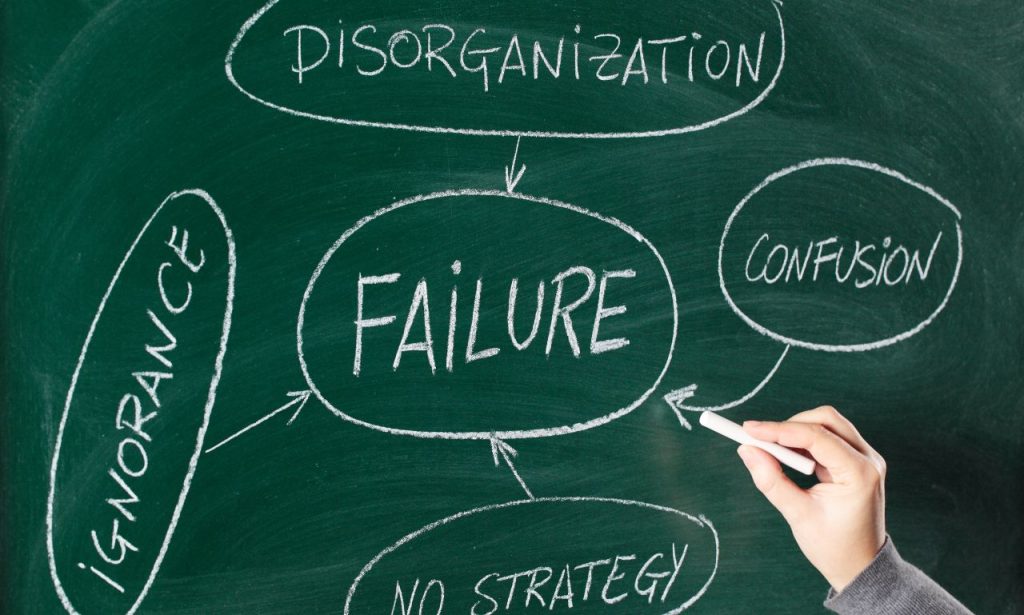
Strategy execution problems rarely appear overnight.
In most cases, warning signs emerge long before serious consequences become visible.
Missed deadlines often provide the first clue. Teams consistently push back milestones, and projects take longer than expected.
Employee confusion can also signal trouble. If workers struggle to articulate the company’s priorities, alignment may be lacking.
Another indicator involves declining engagement. People become frustrated when objectives seem unclear or disconnected from daily responsibilities.
Customer feedback offers additional insights. Rising complaints, lower satisfaction scores, and declining retention rates may indicate that strategic initiatives are not delivering the intended value.
Successful leaders pay attention to these signals before they evolve into larger problems.
The Financial and Operational Consequences of Failed Execution
Poor execution creates consequences that extend far beyond missed targets.
Financial performance often suffers first. Investments fail to generate expected returns, revenue growth slows, and profitability declines.
Operational inefficiencies soon follow. Teams duplicate efforts, resources get wasted, and productivity decreases.
Competitive position can weaken as well. While one company struggles to implement its strategy, competitors continue moving forward.
Blockbuster provides a classic example. The company recognized changing consumer preferences but failed to execute an effective response. Netflix, meanwhile, successfully implemented its digital strategy and transformed the entertainment industry.
Execution failures rarely remain isolated. They ripple throughout the organization.
How Companies Can Improve Strategy Execution and Achieve Better Results
Best Practices for Translating Strategy into Actionable Goals

Improving execution starts with clarity.
Employees need to understand not only what the organization wants to achieve but also how their work contributes to those goals.
Successful companies break large objectives into manageable actions. They establish realistic milestones, assign responsibilities, and communicate expectations clearly.
Regular updates help maintain alignment. Instead of discussing strategy once a year, leaders revisit priorities consistently.
Focus also matters. Organizations that concentrate on a handful of critical initiatives often outperform those trying to pursue dozens of objectives simultaneously.
Here’s a useful question to consider. If you stopped ten employees in the hallway and asked about the company’s top priorities, would their answers match?
If not, execution may already be at risk.
Tools, Metrics, and Accountability Systems That Drive Execution Success
Great execution requires visibility.
Organizations need reliable ways to track progress, identify obstacles, and make adjustments when necessary.
Key Performance Indicators (KPIs) provide measurable insights into strategic performance. Balanced scorecards help leaders monitor multiple objectives simultaneously.
Project management platforms such as Asana, Monday.com, and Microsoft Project improve transparency and coordination across teams.
Accountability systems are equally important. Every strategic initiative should have a clearly defined owner responsible for delivering results.
Regular performance reviews create opportunities to address challenges before they escalate.
Technology alone cannot solve execution problems. However, when combined with strong leadership and accountability, the right tools can significantly improve outcomes.
Conclusion
What causes strategy execution failures in companies? More often than not, the problem is not the strategy itself. The real challenge lies in turning plans into action.
Poor communication, leadership gaps, cultural resistance, inadequate resources, and weak accountability all contribute to execution failures. Left unchecked, these issues can derail even the most promising initiatives.
Organizations that succeed understand a simple truth. Strategy is important, but execution is where results are created.
The next time your company launches a new strategic initiative, ask yourself a simple question: Does everyone know exactly what needs to happen next?
The answer could determine whether the strategy becomes a success story or another forgotten plan.
Also Read: How Do Companies Measure Operational Efficiency?
FAQs
Many organizations fail to align employees, processes, and resources with strategic objectives, making implementation difficult.
Leaders can improve execution by communicating goals clearly, assigning ownership, tracking progress, and maintaining accountability.
Culture influences employee behavior, collaboration, and adaptability, all of which directly affect execution success.
Businesses commonly use KPIs, performance reviews, project milestones, and balanced scorecards to monitor progress and outcomes.
Leave a Reply