Blog

  • Can You Start a Business Without a Business Plan?

    Can You Start a Business Without a Business Plan?

    Starting a business has never been easier. With AI tools handling everything from market research to customer support, many entrepreneurs are launching companies faster than ever. This shift has sparked an important question: Can You Start a Business Without a Business Plan?

    A decade ago, the standard advice was simple. Write a lengthy business plan, spend months refining it, and only then launch. Today, that approach is not always practical. Markets change quickly, customer behavior shifts overnight, and technology evolves at a pace that makes some plans outdated before they are even completed.

    Let’s explore what entrepreneurs need to know before taking that leap.

    Why Many Modern Entrepreneurs Skip Traditional Business Plans?

    Can You Start a Business Without a Business Plan?

    The startup landscape looks very different from what it did even five years ago. Many founders no longer spend weeks creating 30-page business plans before launching.

    Part of the reason is the rise of the lean startup movement. Instead of predicting every possible outcome, entrepreneurs build a basic version of their product and put it in front of real customers. Feedback arrives quickly, allowing businesses to adjust before spending significant money.

    Artificial intelligence has also changed the game. Platforms can generate financial forecasts, analyze competitors, identify customer trends, and even suggest pricing strategies within minutes. Tasks that once required consultants and spreadsheets can now be completed with a few prompts.

    Consider companies like Airbnb. The founders did not begin with a perfect business plan. They tested a simple concept, learned from users, and improved as they grew. Similar stories can be found throughout Silicon Valley and beyond.

    Many entrepreneurs believe action creates better insights than endless planning. Rather than guessing what customers want, they prefer learning directly from the market.

    Situations Where a Business Plan Is Still Necessary

    Despite modern trends, there are circumstances where a business plan remains essential.

    Investors often expect to see a structured roadmap before committing capital. Venture capital firms and angel investors want evidence that founders understand their market, competition, and financial projections.

    Banks typically require detailed plans when evaluating loan applications. Lenders need confidence that borrowers can repay the money they receive.

    Partnerships may also require formal planning. When multiple people invest time and resources into a business, documented goals and expectations help avoid future disagreements.

    Franchise businesses frequently demand business plans as part of the approval process. Established brands want assurance that franchise owners can operate successfully.

    Certain industries face stricter requirements as well. Healthcare, manufacturing, construction, and financial services often involve regulations that make detailed planning unavoidable.

    In these cases, skipping a business plan could limit opportunities before the business even gets off the ground.

    The Advantages and Risks of Starting Without a Business Plan

    Benefits of Launching Quickly and Testing Your Idea

    One of the biggest advantages of operating without a traditional business plan is speed.

    Markets move fast. Entrepreneurs who spend six months planning may discover competitors have already captured customer attention. Launching quickly allows businesses to establish a presence while opportunities still exist.

    Flexibility is another major benefit. Detailed plans sometimes create rigid thinking. Founders may become attached to assumptions that no longer match reality.

    Testing ideas early helps reduce waste. Instead of investing heavily in products nobody wants, entrepreneurs gather customer feedback before committing substantial resources.

    Lower planning costs can also make entrepreneurship more accessible. Small business owners often lack the budget for consultants, analysts, or expensive planning software.

    Perhaps most importantly, direct customer interaction reveals valuable insights. Real-world feedback often teaches lessons that spreadsheets never could.

    Common Mistakes Entrepreneurs Make Without a Plan

    Starting without a plan does not mean operating without direction. Unfortunately, many founders confuse the two.

    Cash flow problems remain one of the leading reasons businesses fail. Without financial forecasting, entrepreneurs may underestimate expenses or overestimate revenue.

    Unclear goals create another challenge. When business owners lack measurable objectives, it becomes difficult to evaluate progress or make strategic decisions.

    Poor market research frequently leads to disappointment. A great idea does not guarantee customer demand. Some entrepreneurs launch based on personal enthusiasm rather than market evidence.

    Pricing errors are equally common. Charge too much, and customers leave. Charge too little and profitability disappears.

    Growth can become difficult as well. Businesses that succeed initially may struggle to scale because foundational systems were never properly considered.

    Skipping a formal business plan should never mean skipping critical thinking.

    What Can You Use Instead of a Traditional Business Plan?

    How the Lean Startup Model Works

    Can You Start a Business Without a Business Plan?

    The lean startup model has become one of the most popular alternatives to traditional business planning.

    At its core, the method focuses on building a Minimum Viable Product (MVP). This is the simplest version of a product that can solve a customer problem.

    Instead of spending years perfecting a solution, entrepreneurs launch quickly and gather feedback. Customer responses guide future improvements.

    The process follows a cycle of building, measuring, and learning. Each iteration provides new insights that help businesses improve products and services.

    Many successful technology companies still rely on this approach. Spotify, Dropbox, and numerous SaaS startups used customer validation to shape their growth strategies.

    AI tools will make the process even faster. Founders can create prototypes, analyze feedback, and identify trends within days rather than months.

    One-Page Business Plans, Business Model Canvases, and AI Planning Tools

    Not every entrepreneur wants to abandon planning altogether. Fortunately, alternatives exist.

    One-page business plans summarize key information without unnecessary complexity. They typically include target customers, revenue streams, marketing strategies, and business goals.

    The Business Model Canvas has become particularly popular among startups. This framework helps entrepreneurs visualize essential components of their business on a single page.

    AI planning tools offer another modern solution. Platforms can generate market research reports, estimate startup costs, forecast revenue, and identify potential risks.

    These approaches provide structure while maintaining flexibility. Rather than creating a lengthy document that sits untouched, entrepreneurs can continuously update their plans as new information emerges.

    The result is often more practical than a traditional business plan.

    How to Validate a Business Idea Before Investing Time and Money

    Ways to Test Market Demand Before Launching

    Validation is arguably more important than planning.

    Before investing significant resources, entrepreneurs should confirm that customers actually want their product or service.

    Customer interviews provide valuable insights. Speaking directly with potential buyers often reveals pain points that surveys miss.

    Online surveys can help measure broader interest. Tools like Google Forms and Typeform make collecting feedback relatively simple.

    Pre-sales offer another powerful validation method. If customers are willing to pay before a product launches, demand likely exists.

    Waitlists can also provide useful signals. A growing list of interested prospects suggests genuine market interest.

    Competitor analysis remains important. Existing competitors often indicate demand, though they also reveal challenges businesses may face.

    Social media provides real-time feedback as well. Posts, ads, and community discussions can help gauge customer reactions before launch.

    Signs Your Business Idea Is Ready for Launch

    How do you know when an idea is worth pursuing?

    One encouraging sign is consistent customer interest. When people repeatedly ask questions or request updates, demand may be building.

    Repeat inquiries often indicate a genuine problem needing a solution. Casual curiosity rarely leads to ongoing engagement.

    Pre-orders represent another strong signal. Customers willing to spend money before launch demonstrate confidence in the offering.

    Market gaps can also reveal opportunities. Businesses that solve overlooked problems frequently attract attention quickly.

    Early traction matters too. Growing website traffic, increasing waitlists, positive reviews, and strong engagement all suggest momentum.

    Ask yourself a simple question: would people be disappointed if this business disappeared tomorrow? If the answer is yes, you may have something valuable.

    Building a Successful Business Without a Formal Plan

    Essential Steps Every New Business Should Follow

    Even without a formal business plan, certain fundamentals remain critical.

    Start by defining your target audience. Understanding who you serve makes marketing more effective and product development more focused.

    Next, establish a clear revenue model. Businesses need a reliable way to generate income and sustain operations.

    Financial management should never be ignored. Tracking expenses, revenue, and cash flow helps prevent unpleasant surprises.

    Branding matters more than many entrepreneurs realize. Customers often form opinions within seconds of encountering a business.

    Marketing deserves consistent attention as well. Great products rarely sell themselves. Businesses need visibility to attract customers.

    Legal requirements should also be addressed early. Business registrations, licenses, taxes, and compliance obligations vary by location and industry.

    These steps provide a foundation that supports long-term growth.

    When to Create a Business Plan as Your Company Grows

    Can You Start a Business Without a Business Plan?

    Many businesses begin without a formal plan, but eventually need one.

    Growth introduces complexity. Hiring employees, managing departments, and expanding operations require greater coordination.

    Seeking investment often necessitates structured planning. Investors want detailed information before providing capital.

    Expansion into new markets also benefits from strategic documentation. Entering unfamiliar territory without preparation increases risk.

    Long-term forecasting becomes more important as businesses mature. Leaders need visibility into future opportunities and challenges.

    A business plan should evolve alongside the company. Think of it as a tool rather than a requirement.

    Successful entrepreneurs understand that planning is not a one-time event. It is an ongoing process that adapts to changing circumstances.

    Conclusion

    So, Can You Start a Business Without a Business Plan? Absolutely.

    Thousands of entrepreneurs launch businesses every year without creating traditional business plans. Modern tools, lean startup principles, and rapid market testing enable rapid movement and learning from real customers.

    Yet operating without a plan does not mean operating without a strategy. Successful founders still validate ideas, understand their audience, manage finances, and track progress.

    The smartest approach often lies somewhere in the middle. Start lean, learn fast, and build structure as your business grows.

    Before you launch, ask yourself one question: Are you avoiding a business plan because it is unnecessary, or because you are avoiding the hard work of understanding your business? The answer could determine your success.

    Also Read: Why Do Some Founders Avoid Venture Capital Funding?

    FAQs

    1. What is a good alternative to a business plan?

    A one-page business plan, Business Model Canvas, or AI-powered planning tool can provide structure without lengthy documentation.

    3. Is a business plan necessary for a small online business?

    Not always. Many online businesses start with simple plans and expand documentation as they grow.

    4. What is the biggest risk of starting without a business plan?

    Poor cash flow management is often the biggest risk, as unexpected expenses can quickly disrupt operations.

  • Why Do Some Founders Avoid Venture Capital Funding?

    Why Do Some Founders Avoid Venture Capital Funding?

    Every startup founder dreams of growth. The challenge is deciding how to fund that growth.

    For decades, venture capital has been viewed as the gold standard for ambitious startups. Household names like Uber, Airbnb, Facebook, and Stripe all used venture capital to accelerate their expansion. As a result, many entrepreneurs assume that securing VC funding is a necessary milestone on the road to success.

    Yet a growing number of founders are intentionally choosing a different path.

    Some build profitable companies without outside investors. Others prefer alternative funding methods that allow them to keep more control and ownership. In many cases, avoiding venture capital isn’t a sign of weakness. It’s a strategic decision based on the founder’s goals, industry, and vision for the future.

    So, why do some founders avoid venture capital funding? The answer goes far beyond simply not wanting investors. It often comes down to control, ownership, growth expectations, and long-term business priorities.

    What Is Venture Capital and How Does It Work?

    Venture capital is a form of private investment provided to startups with high growth potential. Investors exchange capital for equity, which means they own a percentage of the company.

    Beyond money, venture capital firms often provide mentorship, industry connections, recruiting support, and strategic guidance. Many founders see these resources as valuable because they can accelerate growth and open doors that would otherwise remain closed.

    However, venture capital is rarely a simple cash transaction. Investors expect significant returns, often targeting companies capable of becoming billion-dollar businesses. To achieve those returns, they typically push startups toward rapid expansion and aggressive market capture.

    Funding rounds also come with expectations. Investors want regular updates, financial transparency, board representation, and influence over major business decisions. For some founders, these requirements are acceptable. For others, they can feel restrictive.

    Why Venture Capital Is Not the Right Fit for Every Startup

    Not every business is designed to scale at venture capital speed.

    A software company targeting a global audience may align perfectly with VC expectations. On the other hand, a niche consulting firm, local service business, or lifestyle company may generate healthy profits without needing explosive growth.

    Industry dynamics matter as well. Healthcare technology startups often require substantial capital due to regulatory hurdles and lengthy development cycles. Meanwhile, a digital marketing agency can grow steadily through client revenue alone.

    Growth strategy plays a role, too. Some entrepreneurs prioritize sustainable profits over rapid expansion. They may prefer building a business that generates reliable cash flow instead of chasing aggressive growth targets set by investors.

    As a result, venture capital often fits only a specific category of startups rather than serving as a universal solution.

    The Main Reasons Some Founders Choose Not to Raise Venture Capital

    Concerns About Equity Dilution and Ownership Loss

    One of the biggest concerns founders have is equity dilution.

    Every funding round requires founders to give up a portion of ownership. A founder who starts with 100% ownership may find themselves holding a significantly smaller stake after multiple investment rounds.

    This issue becomes more noticeable as startups continue raising capital. Early investors, later-stage investors, employee stock option pools, and additional funding rounds can gradually reduce founder ownership.

    History provides many examples. Several startup founders who built highly successful companies ultimately owned less than 20% of their businesses by the time they went public.

    Many entrepreneurs view ownership as more than a financial asset. It represents years of sacrifice, risk-taking, and hard work. Keeping a larger share of the company allows founders to retain more of the rewards generated by their success.

    The Desire to Maintain Full Control Over Business Decisions

    Ownership and control often go hand in hand.

    When venture capital firms invest, they frequently request board seats and voting rights. Those positions give investors influence over hiring decisions, budgets, acquisitions, fundraising plans, and overall strategy.

    At first, this involvement may seem beneficial. Experienced investors can offer valuable guidance. Problems arise when the founder’s vision differs from investor expectations.

    Imagine a founder wanting to prioritize customer satisfaction and steady profitability while investors push for aggressive expansion. Tension can develop quickly.

    Several well-known founders have spoken openly about the challenges of balancing investor demands with personal convictions. Maintaining strategic freedom remains one of the strongest reasons entrepreneurs avoid outside funding.

    The Hidden Trade-Offs of Venture Capital Funding

    Pressure for Rapid Growth and Aggressive Scaling

    Venture capital firms operate under a specific business model. They invest in many startups knowing that only a small percentage will generate substantial returns.

    Because of this reality, investors often encourage companies to grow as quickly as possible.

    Rapid hiring, international expansion, market acquisition, and increased spending frequently become priorities. While this strategy can create enormous success, it also increases risk.

    Research on startup ecosystems worldwide shows that scaling too quickly can strain operations, weaken company culture, and create financial challenges.

    Growth sounds exciting, but it isn’t always healthy. Sometimes moving too fast creates problems that would not exist under a more measured approach.

    Exit Expectations and the Founder’s Long-Term Vision

    Most venture capital firms eventually need liquidity events.

    These events usually involve acquisitions or initial public offerings. Investors seek exits to generate returns for their limited partners.

    A founder may have a different goal.

    Perhaps they want to run a profitable company for decades. Maybe they envision a family-owned business or a company focused on community impact rather than market domination.

    Those goals can conflict with investor timelines.

    Basecamp provides a famous example. The company grew into a highly profitable software business while largely avoiding traditional venture capital pressures. Its founders repeatedly emphasized profitability and independence over rapid scaling.

    For entrepreneurs with similar aspirations, venture capital may feel more like a constraint than an opportunity.

    Alternative Funding Options Founders Consider Instead of VC

    Bootstrapping: Building a Business with Internal Resources

    Bootstrapping remains one of the most popular alternatives to venture capital.

    Instead of raising money from investors, founders use personal savings, business revenue, and reinvested profits to grow.

    This approach offers significant advantages. Founders maintain ownership, preserve decision-making authority, and avoid investor pressure.

    Mailchimp represents one of the most notable bootstrapping success stories. The company grew for years without venture capital and eventually sold for approximately $12 billion.

    Bootstrapping isn’t easy. Growth often happens more slowly because resources are limited. Founders must balance expansion with cash flow management.

    Even so, many entrepreneurs prefer the freedom that comes with self-funded growth.

    Angel Investors, Revenue-Based Financing, and Other Alternatives

    Not every alternative requires complete self-funding.

    Angel investors often provide smaller investments than venture capital firms while allowing founders greater flexibility. These investors may also offer mentorship and industry expertise.

    Crowdfunding has become another viable option. Platforms such as Kickstarter and Indiegogo enable businesses to raise money directly from supporters and customers.

    Government grants can provide non-dilutive funding for startups in sectors like technology, healthcare, and sustainability.

    Revenue-based financing is gaining popularity as well. Under this model, businesses repay investors using a percentage of future revenue rather than giving up equity.

    Small business loans and venture debt can also provide capital without requiring founders to surrender ownership stakes.

    How Founders Decide Whether Venture Capital Is Worth It

    Questions Every Founder Should Ask Before Seeking VC Funding

    Before approaching investors, founders should pause and ask several important questions.

    Do I really need venture capital?

    Sometimes, revenue growth can fund expansion more effectively than outside investment. Raising money simply because competitors are doing it rarely leads to good outcomes.

    How much control am I willing to give up?

    Accepting capital usually means sharing decision-making authority. Understanding that trade-off early prevents surprises later.

    Can my business grow profitably without investors?

    Many successful companies achieve impressive growth through strong cash flow and disciplined operations. Exploring this possibility can reveal alternatives that better align with long-term goals.

    Honest answers to these questions often provide clarity about the best funding path.

    When Venture Capital Makes Sense—and When It Doesn’t

    Venture capital works best when a startup operates in a large market, requires significant capital, and has the potential for rapid scaling.

    Companies developing groundbreaking technology, building global platforms, or pursuing winner-takes-all markets often benefit from VC funding.

    In contrast, businesses focused on steady profitability may find greater success through bootstrapping or alternative financing methods.

    There is no universally correct choice.

    The smartest founders align their funding strategy with their vision, business model, and personal priorities. Venture capital can be an incredible growth engine, but only when it supports the destination the founder wants to reach.

    Conclusion

    Why Do Some Founders Avoid Venture Capital Funding? The answer usually comes down to ownership, control, growth expectations, and long-term vision.

    While venture capital has helped create some of the world’s most successful companies, it isn’t the only path to success. Many entrepreneurs prefer to maintain independence, preserve equity, and grow at a pace that aligns with their goals.

    Before seeking investment, ask yourself a simple question: What kind of company do you actually want to build?

    The answer may reveal whether venture capital is the right choice—or whether another funding path makes more sense for your journey.

    Also Read: Can You Start a Business Without a Business Plan?

    FAQs

    What is the biggest downside of venture capital?

    Loss of ownership and reduced control are often considered the biggest drawbacks.

    Can founders keep full ownership while growing a business?

    Yes. Bootstrapping, loans, grants, and revenue-based financing can help founders grow without giving up equity.

    Why do investors want board seats?

    Board seats allow investors to participate in important business decisions and protect their investments.

    How do founders know if venture capital is right for them?

    They should evaluate their growth goals, capital needs, desired level of control, and long-term vision before making a decision.

  • What Makes a Brand Memorable to Customers?

    What Makes a Brand Memorable to Customers?

    Have you ever noticed how certain brands seem to stick in your mind for years?

    You might forget an advertisement within minutes, but somehow you still remember Nike’s swoosh, Apple’s sleek design, or Coca-Cola’s red branding. Even when competitors offer similar products, many customers continue returning to the brands they know best.

    That’s the power of memorability.

    In today’s crowded marketplace, getting noticed is only half the battle. The real challenge is staying in a customer’s mind long after they’ve scrolled past your social media post, left your website, or walked out of your store.

    The brands people remember often enjoy a significant advantage. They earn trust faster, attract repeat customers more easily, and generate stronger word-of-mouth referrals. Those benefits don’t happen overnight. They come from consistently delivering experiences that leave a lasting impression.

    So, what separates forgettable brands from unforgettable ones? Understanding What Makes a Brand Memorable to Customers can help businesses build stronger relationships and create long-term growth.

    Why Brand Memorability Matters in Today’s Competitive Market?

    What Makes a Brand Memorable to Customers?

    Consumers have more choices than ever before. Whether they’re shopping online, comparing service providers, or browsing social media, they’re constantly exposed to competing messages.

    Attention spans are shorter, and competition is tougher. In this environment, being memorable becomes one of the most valuable assets a business can have.

    A memorable brand doesn’t need to start from scratch every time it communicates with customers. Familiarity creates an advantage because people naturally gravitate toward names they recognize.

    When customers remember a brand, they’re more likely to consider it first when a need arises. That simple fact can influence purchasing decisions long before a sales conversation even begins.

    How Memorable Brands Influence Customer Purchasing Decisions

    Most buying decisions aren’t purely logical. People like to believe they carefully evaluate every option, but familiarity often plays a larger role than they realize.

    Imagine you’re driving through an unfamiliar town and need a quick meal. You spot several restaurants, but one of them is a brand you’ve visited before. Chances are you’ll choose the familiar option because you already know what to expect.

    Customers do this every day.

    A recognizable brand reduces uncertainty. People feel more comfortable spending money when they trust the outcome. Familiarity creates confidence, and confidence often leads to action.

    Research from Nielsen has repeatedly shown that consumers place greater trust in brands they know. Recognition alone won’t guarantee a sale, but it can significantly improve the odds of being chosen over lesser-known competitors.

    The Connection Between Brand Recognition, Trust, and Long-Term Loyalty

    Recognition is where customer relationships begin. Trust is what keeps them going.

    When customers repeatedly encounter a brand that delivers positive experiences, they begin to develop confidence in that brand. Each successful interaction reinforces the relationship.

    Over time, trust transforms into loyalty. Loyal customers don’t just continue buying. They recommend the brand to friends, family members, and coworkers.

    Look at companies like Patagonia. Their customers often remain loyal because they trust the brand’s commitment to sustainability and transparency. The relationship extends beyond products and becomes connected to shared values.

    Strong brands understand that loyalty isn’t purchased through discounts alone. It’s earned through consistency and credibility.

    Key Elements That Make a Brand Memorable

    Many business owners assume branding starts and ends with a logo. While visual identity matters, memorable brands are built on a combination of factors that work together to create recognition and trust.

    Customers remember brands because of how they look, how they communicate, and how they make people feel.

    Creating a Unique Brand Identity Through Visual and Verbal Branding

    Visual branding is often the first thing customers notice. Colors, typography, logos, and imagery all contribute to first impressions.

    Think about McDonald’s golden arches or the distinctive green used by Starbucks. Even without seeing the company name, most people instantly recognize those brands.

    Visual elements alone aren’t enough, though.

    The way a brand communicates matters just as much. Tone of voice, messaging, and language choices shape how customers perceive a business.

    Some brands sound professional and authoritative. Others feel friendly and conversational. Neither approach is automatically better. What matters is creating a personality that customers can recognize consistently.

    When visual and verbal branding align, businesses become easier to remember and harder to confuse with competitors.

    Building Consistency Across Customer Touchpoints and Experiences

    Consistency is one of the most powerful drivers of brand memorability.

    Customers interact with businesses through multiple channels. They might discover a brand on social media, visit its website, read customer reviews, and eventually speak with a support representative.

    Every interaction contributes to the overall impression.

    If the experience feels different at each touchpoint, customers become confused. Consistency creates familiarity, and familiarity strengthens memory.

    Apple is a great example. Whether you’re browsing its website, opening a product box, or visiting an Apple Store, the experience feels connected. The same attention to simplicity and design appears everywhere.

    Customers remember brands that consistently show up in recognizable ways.

    How Emotional Connections Strengthen Brand Recall

    What Makes a Brand Memorable to Customers?

    People may forget facts, statistics, and product features. Emotions tend to stay much longer.

    The strongest brands understand that memorable experiences often come from emotional connections rather than functional benefits alone.

    Why Customers Remember Brands That Evoke Emotions

    Think about your favorite brand for a moment.

    There’s a good chance your loyalty isn’t based entirely on price or product quality. More often, it’s connected to how that brand makes you feel.

    Nike inspires motivation. Disney creates feelings of nostalgia and excitement. Dove has built campaigns around confidence and self-esteem.

    Emotional responses create stronger memories because they engage customers more deeply. Instead of simply processing information, people connect the brand with personal experiences.

    When customers feel something meaningful, they’re far more likely to remember the business behind that feeling.

    The Role of Brand Storytelling in Creating Lasting Impressions

    Stories are easier to remember than sales messages.

    For centuries, people have used stories to share ideas, values, and experiences. Marketing works the same way.

    A compelling brand story helps customers understand why a company exists and what it stands for. It creates context that product descriptions alone cannot provide.

    Airbnb built much of its brand around stories from hosts and travelers. Rather than focusing only on accommodation options, the company highlights real experiences and human connections.

    Customers connect with stories because they see themselves in them. A well-told story creates emotional engagement that advertising slogans often struggle to achieve.

    Businesses don’t need dramatic origin stories to succeed. Authenticity matters far more than perfection.

    Customer Experience and Its Impact on Brand Memorability

    Brand memorability isn’t created by marketing alone.

    Customer experiences often have a greater influence on perception than advertisements ever could. Every interaction shapes how customers remember a business.

    How Exceptional Customer Service Shapes Brand Perception

    People rarely forget outstanding service.

    Most customers can recall a situation where a company went above and beyond to solve a problem. Those experiences tend to become stories they share with others.

    Zappos built a reputation for customer service by empowering employees to prioritize customer satisfaction. Many of the company’s most effective marketing moments came from customer stories rather than advertising campaigns.

    Exceptional service creates trust because it demonstrates that a business genuinely cares about its customers.

    When customers feel valued, they remember the experience and the brand behind it.

    Using Personalization to Create Meaningful Customer Relationships

    Modern consumers expect brands to understand their preferences.

    Generic experiences often feel disconnected, especially when customers are accustomed to personalized recommendations from companies like Netflix, Spotify, and Amazon.

    Personalization helps customers feel seen. It signals that a brand understands their needs rather than treating them like another number.

    Even simple efforts can make a difference. Personalized emails, relevant recommendations, and tailored customer interactions often strengthen relationships significantly.

    People remember businesses that make them feel understood.

    Strategies Businesses Can Use to Build a Memorable Brand

    What Makes a Brand Memorable to Customers?

    Building a memorable brand requires consistent effort. There isn’t a shortcut or quick fix.

    Successful businesses focus on creating positive experiences while reinforcing their identity over time.

    Leveraging Social Proof, Brand Advocacy, and Community Building

    Consumers trust recommendations from other people more than promotional messages.

    Customer reviews, testimonials, and referrals provide social proof that influences buying decisions. When people see others having positive experiences with the brand, they become more confident in it.

    Community building takes this concept even further.

    Harley-Davidson is known for creating a strong sense of belonging among customers. Many riders identify with the community as much as the motorcycles themselves.

    Brand advocates become valuable ambassadors because their recommendations feel authentic. Encouraging satisfied customers to share their experiences can significantly improve memorability and trust.

    Measuring Brand Awareness and Improving Long-Term Brand Recall

    You can’t improve what you don’t measure.

    Businesses should regularly evaluate how well customers recognize and remember their brand. Metrics such as branded search volume, direct website traffic, social media mentions, and customer surveys can provide useful insights.

    Feedback also reveals opportunities for improvement. Customers may recognize a logo but struggle to recall a company’s value proposition.

    Strong brands continuously refine their messaging, positioning, and customer experiences. Staying memorable requires ongoing attention rather than a one-time branding exercise.

    Conclusion

    Understanding What Makes a Brand Memorable to Customers isn’t just about marketing. It’s about creating meaningful experiences that customers remember long after the initial interaction.

    The most memorable brands combine strong identities, emotional connections, consistent experiences, and genuine customer care. They earn trust through actions rather than promises and build loyalty one interaction at a time.

    Take a moment to think about the brands you recommend most often. Chances are, you’re not talking about product specifications. You’re sharing an experience, a feeling, or a story.

    That’s exactly what memorable brands create.

    In a world where consumers are overwhelmed with choices, the businesses that stay top of mind are often the ones that win.

    Also Read: Why Do Some Rebrands Fail?

    FAQs

    Why is brand memorability important?

    It helps businesses build trust, attract repeat customers, and increase referrals in competitive markets.

    How does storytelling make a brand more memorable?

    Stories create emotional engagement, making it easier for customers to remember and connect with a brand.

    Can small businesses create memorable brands?

    Yes. Consistency, authenticity, and exceptional customer experiences can help any business stand out.

    How can companies measure brand recall?

    Businesses can track surveys, branded searches, website traffic, social mentions, and customer feedback to measure brand awareness and recall.

  • What Is Brand Dilution and How Does It Affect Businesses?

    What Is Brand Dilution and How Does It Affect Businesses?

    Building a recognizable brand takes years. Companies invest countless hours refining their message, improving customer experiences, and earning trust. Yet a brand’s reputation can start slipping much faster than it was built.

    Many businesses focus so heavily on growth that they overlook the impact their decisions have on brand perception. A new product launch, an unexpected expansion, or a decline in quality standards may seem harmless at first. Over time, however, those choices can weaken what made the brand valuable in the first place.

    This is where brand dilution becomes a serious concern.

    \\Understanding what brand dilution is and how it affects businesses is important for companies of every size. Whether you’re running a startup, managing a local business, or leading a global corporation, protecting your brand should remain a top priority.

    What Is Brand Dilution?

    What Is Brand Dilution and How Does It Affect Businesses?

    Think about a brand you genuinely trust. Maybe it’s Apple, Nike, Starbucks, or even a local business in your community.

    Now imagine that same brand suddenly starts offering products that seem completely unrelated to its reputation. Chances are you’d pause and wonder what happened.

    That’s the essence of brand dilution.

    Brand dilution occurs when a company’s identity, uniqueness, or perceived value weakens in consumers’ minds. Customers begin losing the strong associations they once had with the brand. Instead of standing for something specific, the brand becomes less distinctive and less memorable.

    In many cases, dilution happens gradually. Businesses rarely wake up one morning and intentionally damage their brand. The problem usually develops through a series of decisions that slowly blur the company’s identity.

    One of the clearest signs is customer confusion. People struggle to explain what the brand represents or why it differs from competitors.

    Another warning sign is reduced emotional connection. Customers may still recognize the brand, but the loyalty and enthusiasm start fading.

    Strong brands occupy a unique space in consumers’ minds. Brand dilution weakens that position and makes it easier for competitors to gain attention.

    Brand Dilution vs. Brand Extension

    Many marketers confuse brand dilution with brand extension. While they are related, they are not the same thing.

    Brand extension is a growth strategy. Companies use their existing reputation to introduce new products, services, or market offerings. When done well, it can strengthen brand equity and increase revenue.

    Apple provides a perfect example. The company successfully expanded from computers into smartphones, tablets, smartwatches, and streaming services. Each product reinforced Apple’s reputation for innovation and simplicity.

    Customers immediately understood the connection.

    Brand dilution occurs when an extension feels disconnected from the brand’s identity.

    A famous example is Colgate’s attempt to launch frozen meals in the 1980s. Consumers strongly associated Colgate with toothpaste and oral care. Frozen dinners felt completely out of place, making the extension difficult to accept.

    The lesson is simple. Growth should strengthen existing brand perceptions, not challenge them.

    If customers have to ask, “Why is this company selling that?” there may be a branding problem.

    What Causes Brand Dilution?

    Overexpansion, Product Line Extensions, and Entering Unrelated Markets

    Growth can be exciting. It creates new opportunities, attracts investors, and increases visibility.

    However, expansion without a clear strategy often creates unintended consequences.

    One of the biggest causes of brand dilution is overexpansion. Businesses become successful in one area and assume they can replicate that success across countless product categories.

    Sometimes that works.

    Often, it doesn’t.

    Harley-Davidson learned this lesson when it introduced branded perfume. The company had spent decades building a rugged image associated with motorcycles, freedom, and adventure. Perfume felt disconnected from those values.

    Customers noticed immediately.

    The same risk appears when companies enter unrelated industries. Consumers trust brands because they associate them with expertise. Moving too far away from that expertise can weaken credibility.

    Successful growth feels natural. Customers should instantly understand why a brand is expanding into a new category.

    When the connection isn’t obvious, confusion usually follows.

    Inconsistent Branding, Poor Customer Experiences, and Quality Declines

    Brand dilution doesn’t always come from expansion. Sometimes it starts with inconsistency.

    A business may advertise exceptional customer service while delivering average experiences. Another may promise premium quality while cutting corners behind the scenes.

    Customers quickly recognize these gaps.

    Trust is built through consistency. Every interaction contributes to a customer’s perception of a brand. When messaging, quality, or service standards become inconsistent, confidence begins to erode.

    Consider a restaurant known for outstanding food. If several visits result in disappointing meals, customers start questioning the restaurant’s reputation.

    The same principle applies to every industry.

    Quality declines can be particularly damaging because they directly impact customer expectations. Once people begin questioning quality, rebuilding confidence becomes significantly harder.

    Consistency isn’t glamorous, but it’s one of the most powerful brand-building tools available.

    How Brand Dilution Affects Businesses and Brand Equity

    Impact on Customer Trust, Brand Loyalty, and Consumer Perception

    What Is Brand Dilution and How Does It Affect Businesses?

    Trust takes years to build and moments to lose.

    Consumers develop relationships with brands much like they develop relationships with people. They rely on consistency, reliability, and positive experiences.

    When a brand becomes diluted, those relationships begin to weaken.

    Customers may no longer feel confident recommending the brand to friends or family. Loyal buyers might start exploring alternatives. Even small shifts in perception can have a significant impact over time.

    Brand loyalty often depends on emotional connections. People don’t just buy products. They buy stories, values, and experiences.

    When those elements become unclear, loyalty starts fading.

    Social media has made this challenge even more visible. Negative experiences spread quickly, and public perception can change almost overnight.

    Brands that lose customer trust often find it difficult to regain the same level of loyalty they once enjoyed.

    Financial Consequences: Reduced Brand Value, Market Share, and Profitability

    Brand dilution affects more than reputation. It directly impacts financial performance.

    Strong brands often command premium prices because customers perceive greater value. Once dilution occurs, that pricing power weakens.

    Consumers become less willing to pay extra when a brand no longer feels unique.

    Market share can also suffer. Competitors with stronger positioning frequently attract customers who feel disconnected from a diluted brand.

    According to Interbrand’s annual Best Global Brands rankings, companies with strong brand equity consistently outperform many competitors in terms of long-term value creation.

    The connection isn’t surprising.

    A trusted brand attracts customers more efficiently, retains them longer, and generates stronger profit margins.

    When brand equity declines, revenue growth often becomes more difficult to sustain.

    Real-World Examples of Brand Dilution and Lessons Businesses Can Learn

    Famous Brand Dilution Examples from Global Companies

    History offers several memorable examples of brand dilution.

    One of the most famous involves Colgate Kitchen Entrees. Consumers struggled to connect a toothpaste brand with frozen dinners. Despite strong brand recognition, the product failed because it felt disconnected from customer expectations.

    Harley-Davidson’s perfume launch faced a similar challenge. Customers loved the motorcycle brand for its rugged identity, but perfume didn’t fit that image.

    These examples reveal an important truth.

    Brand recognition alone isn’t enough. Relevance matters as much.

    The strongest brands grow strategically. They expand into areas that align naturally with their values and customer expectations.

    Common Warning Signs That Your Brand Is Becoming Diluted

    Brand dilution rarely happens overnight.

    Several warning signs often appear before serious damage occurs.

    Customers may struggle to describe what makes the brand unique. Marketing campaigns might generate attention but fail to strengthen customer loyalty.

    Negative feedback can also increase. Consumers may question product quality, company direction, or overall consistency.

    Another common sign is declining engagement despite larger marketing budgets. Spending more while receiving weaker results often indicates deeper brand issues.

    Business leaders should regularly monitor customer sentiment, reviews, and brand perception studies.

    Early action is far easier than repairing a damaged reputation later.

    How Businesses Can Prevent and Recover from Brand Dilution

    Proven Strategies to Protect Brand Identity and Maintain Brand Consistency

    What Is Brand Dilution and How Does It Affect Businesses?

    Protecting a brand requires discipline.

    Successful businesses establish clear guidelines for messaging, visual identity, customer service, and product quality. These standards create consistency across every customer interaction.

    Before launching a new product, companies should evaluate whether it aligns with their core identity.

    Ask yourself a simple question: Would loyal customers immediately understand why we’re offering this?

    If the answer is no, additional consideration may be necessary.

    Listening to customers also plays a critical role. Feedback often reveals problems before they become serious threats.

    Strong brands remain focused on delivering consistent experiences while adapting carefully to changing market conditions.

    Growth should strengthen a brand, not dilute it.

    Can a Diluted Brand Be Fixed? Recovery, Rebranding, and Reputation Rebuilding

    Fortunately, brand dilution isn’t always permanent.

    Many companies have successfully rebuilt their reputations by returning to their core strengths.

    Apple’s turnaround under Steve Jobs remains one of the most discussed examples in business history. The company simplified its product lineup, sharpened its focus, and reinforced the values customers loved.

    Recovery begins with honesty.

    Businesses must identify the cause of the dilution and determine which aspects of the brand still resonate with customers.

    Rebranding can help, but cosmetic changes alone rarely solve deeper issues. Real recovery requires better products, improved customer experiences, and consistent communication.

    The process takes time.

    Trust cannot be rebuilt overnight. Still, brands that commit to meaningful improvements often emerge stronger than before.

    Conclusion

    Understanding what brand dilution is and how it affects businesses can help organizations avoid costly mistakes and protect one of their most valuable assets.

    A strong brand creates trust, loyalty, and competitive advantage. A diluted brand creates confusion and weakens customer relationships. The difference often comes down to consistency, strategic growth, and a clear understanding of what customers expect.

    Before launching your next product or entering a new market, take a moment to consider how the decision affects your brand identity.

    Growth is important. Protecting what made your brand successful is even more important.

    Also Read: How Do Brands Recover From Negative Publicity?

    FAQs

    What is brand dilution?

    Brand dilution occurs when a brand’s identity, value, or uniqueness becomes weaker in consumers’ minds.

    What causes brand dilution?

    Common causes include overexpansion, inconsistent branding, declining quality, and poor customer experiences.

    Can brand extension lead to brand dilution?

    Yes. Extensions that don’t align with a brand’s core identity can confuse customers and weaken brand equity.

    How does brand dilution affect customer loyalty?

    It can reduce trust, weaken emotional connections, and encourage customers to switch to competitors.

  • How Do Brands Recover From Negative Publicity?

    How Do Brands Recover From Negative Publicity?

    One negative headline can undo years of hard work.

    A single social media post, product failure, or executive scandal can spread across the internet within hours. Customers begin asking questions. Investors become cautious. Employees worry about the company’s future. In many cases, competitors seize the opportunity to attract dissatisfied customers.

    Yet history shows that a public relations crisis does not always mark the end of a brand. Some of the world’s most recognizable companies have faced severe criticism and still managed to regain public trust.

    So, How Do Brands Recover From Negative Publicity? The answer involves much more than issuing an apology. Recovery requires transparency, accountability, strategic communication, and consistent action over time.

    Let’s explore what causes negative publicity, how it impacts businesses, and the proven strategies successful brands use to bounce back stronger than before.

    What Causes Negative Publicity for Brands?

    How Do Brands Recover From Negative Publicity?

    Negative publicity can emerge from many different sources, and not every crisis begins with a major scandal.

    Product recalls are among the most common triggers. When consumers feel a product threatens their safety, public trust can disappear overnight. Johnson & Johnson’s famous Tylenol crisis in 1982 remains one of the most studied examples because the company faced a life-threatening product issue that captured national attention.

    Customer service failures also generate significant backlash. In today’s digital environment, one dissatisfied customer can share an experience with thousands of people within minutes. Airlines, restaurants, and retail companies frequently face reputational challenges due to poor customer interactions.

    Executive misconduct creates another major risk. When business leaders engage in unethical behavior, their actions often become associated with the brand as a whole. Public perception shifts quickly, especially when accountability appears absent.

    Social media controversies, data breaches, misleading advertising claims, and ethical scandals can create equally damaging consequences. Consumers increasingly expect businesses to act responsibly. Any behavior that contradicts those expectations may spark widespread criticism.

    How Negative Publicity Affects Consumer Trust and Business Performance

    Negative publicity reaches far beyond headlines.

    Sales often decline because customers hesitate to purchase from brands they no longer trust. According to Edelman’s Trust Barometer studies, trust remains one of the strongest factors influencing consumer buying decisions.

    Customer loyalty can suffer as well. Long-term customers may begin exploring alternatives, especially when competitors present themselves as more reliable or ethical options.

    Investor confidence frequently weakens during reputation crises. Public companies may experience stock price declines, while private companies can face challenges attracting new investment.

    Internal damage should not be overlooked. Employees often feel embarrassed or uncertain when their employer receives negative media attention. Lower morale can affect productivity and retention.

    Search visibility can also become a problem. Negative news articles often rank highly in search results, making it difficult for brands to control their online narrative.

    Over time, these issues can weaken brand equity, reducing the overall value consumers associate with a company’s name and reputation.

    The First Steps Brands Should Take After a Public Relations Crisis

    Why Speed and Transparency Matter During a Crisis

    When a crisis unfolds, silence rarely works.

    People expect answers quickly. Delayed responses often create the impression that a company is hiding information or avoiding responsibility.

    The most effective crisis communication strategies begin with acknowledging the issue. Customers appreciate honesty, even when the situation is uncomfortable. Transparency helps prevent speculation and reduces the spread of misinformation.

    A good response should clearly explain what happened, what actions are being taken, and what customers can expect moving forward.

    Domino’s Pizza demonstrated this approach in 2009 after employees posted inappropriate videos online. Rather than ignoring the controversy, company leaders responded publicly and explained the corrective measures being implemented. That transparency helped limit long-term damage.

    Denial often creates bigger problems. Brands that refuse to acknowledge mistakes may appear disconnected from customer concerns, making recovery significantly harder.

    How Brands Assess the Damage and Public Sentiment

    Before creating a recovery plan, companies must understand the scope of the problem.

    Social listening tools help brands track conversations across platforms like X, Facebook, Instagram, LinkedIn, Reddit, and TikTok. These insights reveal how people feel about the situation and identify recurring concerns.

    Media monitoring provides another important layer of information. Businesses need to understand how journalists, bloggers, and industry analysts are covering the story.

    Customer feedback analysis can uncover specific pain points driving dissatisfaction. Surveys, support tickets, reviews, and direct messages often reveal patterns that require immediate attention.

    Many organizations also use sentiment analysis software to measure whether public perception is improving or deteriorating over time.

    Meanwhile, communication with employees, investors, partners, and other stakeholders remains essential. Different groups may have unique concerns that require separate responses.

    Strategies Brands Use to Rebuild Trust After Negative Publicity

    How Public Apologies and Accountability Influence Brand Recovery

    Not all apologies are created equal.

    A generic statement that avoids responsibility rarely changes public opinion. Effective apologies acknowledge the issue directly and recognize its impact on affected individuals.

    Consumers want accountability. They want to see leaders take ownership rather than shift blame elsewhere.

    One reason Johnson & Johnson’s Tylenol response remains a crisis management benchmark is the company’s willingness to act decisively. It recalled millions of bottles and prioritized customer safety over short-term profits.

    Actions often speak louder than words. A sincere apology becomes more powerful when paired with visible corrective measures.

    Leadership also plays a critical role. When executives communicate openly and personally, audiences tend to perceive the response as more authentic.

    Rebuilding Customer Confidence Through Action and Communication

    Trust returns gradually.

    Brands must demonstrate improvement through measurable actions. Compensation programs can help address customer frustration, especially when consumers have experienced financial loss or inconvenience.

    Policy changes often signal meaningful progress. If a data breach occurs, stronger security measures show customers that lessons have been learned.

    Product improvements can further reinforce confidence. Domino’s Pizza famously reinvented its recipes after receiving widespread criticism about food quality. The company openly discussed customer complaints and used feedback to drive change.

    Community engagement also strengthens reputation recovery. Supporting meaningful initiatives and contributing positively to society can help brands reconnect with audiences.

    Throughout the process, ongoing transparency remains essential. Customers want updates, not silence. Regular communication shows commitment and keeps stakeholders informed about progress.

    Real-World Examples of Brands That Recovered From Negative Publicity

    Successful Brand Comebacks and the Lessons They Teach

    Several major companies have demonstrated that recovery is possible when handled correctly.

    Starbucks faced criticism in 2018 after an incident involving two customers at one of its Philadelphia locations. The company responded by closing thousands of stores for racial bias training. While the decision carried substantial costs, it signaled a willingness to address the issue directly.

    Johnson & Johnson regained public trust following the Tylenol crisis through transparency, rapid action, and consumer-focused decision-making.

    Domino’s Pizza transformed its image by embracing criticism instead of hiding from it. The company’s willingness to publicly acknowledge product shortcomings contributed to a remarkable turnaround.

    Nike encountered backlash over controversial advertising campaigns but maintained a consistent brand identity and strengthened relationships with its target audience.

    Airbnb faced trust challenges related to safety concerns and discrimination complaints. The company introduced new policies, enhanced verification systems, and expanded support resources to improve customer confidence.

    A common pattern emerges from these examples: successful brands combine communication with meaningful action.

    Common Mistakes That Can Make a Brand Crisis Worse

    Some organizations unintentionally deepen a crisis through poor decision-making.

    Defensive messaging often creates the impression that a company cares more about protecting itself than solving the problem. Customers rarely respond positively to excuses.

    Delayed responses allow speculation to fill information gaps. In today’s fast-moving media environment, waiting too long can significantly increase damage.

    Blame shifting creates another major risk. Audiences expect leaders to accept responsibility rather than point fingers elsewhere.

    Inconsistent communication can also undermine credibility. Different messages from different executives often create confusion and mistrust.

    Perhaps the biggest mistake involves failing to implement meaningful change. Public apologies lose value when customers see no evidence of improvement afterward.

    Preventing Future Reputation Crises and Strengthening Brand Resilience

    Building a Proactive Reputation Management Strategy

    How Do Brands Recover From Negative Publicity?

    The strongest brands prepare for crises before they happen.

    A proactive reputation management strategy includes regular monitoring, clear communication guidelines, and detailed crisis response plans. Preparation reduces confusion when challenges arise.

    Employee training plays a significant role as well. Team members should understand company values, communication protocols, and potential reputation risks.

    Reputation audits help identify vulnerabilities before they become major problems. Reviewing customer feedback, online reviews, and media coverage can reveal emerging issues early.

    Strong stakeholder relationships provide another layer of protection. Companies that consistently engage with customers, employees, investors, and communities often receive more goodwill during difficult periods.

    No organization can eliminate risk entirely. However, preparation makes recovery faster and more effective.

    Conclusion

    So, How Do Brands Recover From Negative Publicity?

    The process begins with acknowledging the problem and responding quickly. From there, brands must assess public sentiment, communicate transparently, and implement meaningful corrective actions.

    History offers plenty of proof that recovery is possible. Companies like Johnson & Johnson, Starbucks, Domino’s Pizza, Nike, and Airbnb faced significant challenges yet managed to rebuild trust through accountability and action.

    Reputation is not built overnight, and it is rarely restored overnight either. Brands that remain honest, customer-focused, and committed to improvement often emerge stronger than before.

    If your organization faced a public relations crisis tomorrow, would your response strengthen trust or further weaken it? The answer may determine your brand’s future.

    Also Read: What Is Brand Dilution and How Does It Affect Businesses?

    FAQs

    1. How long does it take for a brand to recover from negative publicity?

    Recovery timelines vary. Some brands regain trust within months, while others may need several years depending on the severity of the crisis.

    2. Can a company fully recover from a damaged reputation?

    Yes. Many companies have successfully rebuilt trust through transparency, accountability, and consistent improvements.

    3. Why is transparency important during a PR crisis?

    Transparency reduces speculation, builds credibility, and shows stakeholders that the company is taking the issue seriously.

    4. What is the biggest mistake brands make during a crisis?

    Delaying a response or refusing to accept responsibility often worsens public perception.

  • What Are the Most Effective B2B Lead Magnets Today?

    What Are the Most Effective B2B Lead Magnets Today?

    Generating leads in the B2B world has never been easy. Buyers are more informed than ever, sales cycles are longer, and decision-makers often research solutions long before speaking to a sales representative.

    A decade ago, offering a simple eBook could fill a pipeline with prospects. Today, the landscape looks very different. Business buyers are flooded with content every day. As a result, companies must provide genuine value before asking for contact information.

    So, what are the most effective B2B lead magnets today?

    The answer depends on your audience, industry, and sales process. However, some lead magnets consistently outperform others because they solve real problems, deliver immediate insights, and align with what buyers need at each stage of their journey.

    Let’s explore the strategies that are producing the best results for B2B marketers right now.

    What Makes a B2B Lead Magnet Effective in Today’s Market?

    The success of a lead magnet is no longer measured by downloads alone. Companies need assets that attract qualified prospects and move them closer to a purchase decision.

    Why Modern B2B Buyers Expect More Than Traditional eBooks

    Business buyers have become sophisticated researchers. According to Gartner, B2B buyers spend a significant portion of their purchasing journey conducting independent research before engaging vendors.

    This shift has changed expectations. Generic eBooks covering broad topics often fail to stand out because similar information is available through blogs, videos, podcasts, and AI-powered search tools.

    Think about it from the buyer’s perspective. If a twenty-page eBook repeats information found in a quick Google search, why would someone exchange their email address for it?

    Many marketers learned this lesson the hard way. Companies that once generated thousands of leads through downloadable guides began to see lower conversion rates and lower-quality leads.

    Today’s buyers want resources that help them make decisions faster. They expect personalized insights, practical recommendations, and solutions tailored to their specific challenges.

    The companies winning attention are not just sharing information. They are delivering experiences that save time, reduce uncertainty, and help buyers justify business decisions.

    The Key Characteristics of High-Converting B2B Lead Magnets

    High-performing lead magnets share several common traits.

    First, they address a specific problem rather than a broad topic. A cybersecurity checklist for financial institutions will typically outperform a general guide about cybersecurity trends.

    Second, they provide immediate value. Buyers appreciate resources they can use immediately without having to invest hours of reading.

    Personalization also plays a major role. Customized recommendations or benchmark comparisons feel more relevant than generic content.

    Another important factor is problem-solving capability. Effective lead magnets help prospects overcome an obstacle or identify opportunities for improvement.

    Finally, successful lead magnets align closely with buyer intent. Someone researching software implementation may respond better to an ROI calculator than an introductory eBook.

    When these elements come together, conversion rates often improve dramatically.

    Which B2B Lead Magnets Generate the Highest-Quality Leads?

    Not all lead magnets attract the same caliber of prospects. Some formats naturally draw decision-makers who are closer to making a purchase.

    Interactive Tools, ROI Calculators, and Assessments

    Interactive lead magnets have become some of the strongest performers in B2B marketing.

    ROI calculators allow buyers to estimate potential savings, revenue growth, or operational improvements. Because users enter company-specific data, the results feel personalized and actionable.

    HubSpot’s Website Grader is a well-known example. For years, it has generated qualified leads by offering instant website performance evaluations.

    Assessments and maturity scorecards work similarly. They help prospects understand where they stand compared to competitors or industry standards.

    Free audits are also powerful. Marketing agencies, cybersecurity firms, and software providers frequently use audits to uncover opportunities while initiating valuable sales conversations.

    Benchmarking tools take engagement even further. Buyers gain insights into how their organization compares against peers, creating a strong incentive to learn more.

    Unlike static PDFs, these tools actively involve the user. That interaction often leads to higher-quality leads and stronger conversion rates.

    Industry Reports, Case Studies, and Research-Based Content

    Original research remains one of the most trusted forms of B2B content.

    Decision-makers rely on data when presenting recommendations to executives and stakeholders. Industry reports provide credible information that supports strategic planning and purchasing decisions.

    For example, Salesforce’s State of Sales reports consistently attract attention for their unique insights gathered from thousands of professionals.

    Case studies also play a critical role. Buyers want evidence that a solution works in real-world situations.

    A detailed success story showing how a company increased revenue by 40% carries more weight than a generic product brochure.

    Research-backed content establishes authority while helping prospects justify investments internally. This combination makes it one of the most effective lead generation approaches available today.

    How Do Different Lead Magnets Support the B2B Buyer’s Journey?

    Different stages of the buying process require different types of content.

    Top-of-Funnel Lead Magnets for Awareness and Lead Capture

    At the awareness stage, buyers are still identifying challenges and exploring possible solutions.

    Educational resources work best during this phase because they provide helpful information without aggressive sales messaging.

    Guides, checklists, templates, and introductory webinars are particularly effective. They address common questions while establishing credibility.

    A project management software company, for example, might offer a project planning template. The resource delivers immediate value while introducing prospects to the brand.

    Educational webinars also remain highly effective because they allow businesses to showcase expertise while engaging directly with potential customers.

    The goal at this stage is simple: build trust and encourage further interaction.

    Mid- and Bottom-of-Funnel Lead Magnets That Drive Sales Conversations

    As buyers move closer to making decisions, their needs change.

    They begin evaluating vendors, comparing solutions, and calculating business impact.

    This is where free consultations, implementation roadmaps, product comparison guides, and live demonstrations become valuable.

    Consider a manufacturing company exploring new ERP software. A customized implementation roadmap provides significantly more value than a general industry report.

    Product demos allow prospects to see solutions in action. Meanwhile, consultations create opportunities for direct discussions about specific business challenges.

    Lead magnets at this stage help reduce uncertainty and accelerate purchasing decisions.

    How Can Businesses Create a B2B Lead Magnet That Actually Converts?

    Even the best format can fail if it is poorly executed.

    Identifying Audience Pain Points and Buyer Intent

    Effective lead magnets begin with understanding the audience.

    Customer interviews often reveal challenges that keyword tools cannot uncover. Sales teams also possess valuable insights because they hear objections and questions every day.

    Combining customer feedback with keyword research helps identify topics prospects actively search for online.

    Studying support tickets, community forums, LinkedIn discussions, and customer reviews can also uncover recurring concerns.

    The most successful lead magnets are rarely created based on assumptions. They are built around real problems that customers want solved.

    Before creating content, ask yourself one question: What information would make my ideal prospect stop and say, “I need this”?

    That answer often points directly to a high-converting lead magnet.

    Best Practices for Designing, Gating, and Promoting Lead Magnets

    A valuable resource alone is not enough.

    Landing pages should clearly communicate benefits rather than features. Visitors need to understand exactly what they will gain.

    Forms should collect only necessary information. Excessive fields can significantly reduce conversion rates.

    Strong calls-to-action also matter. Generic phrases like “Submit” rarely perform as well as benefit-focused language.

    Lead qualification fields can help sales teams prioritize prospects without creating excessive friction.

    Once leads are captured, email nurturing becomes essential. Many prospects are not ready to buy immediately, but consistent communication keeps your brand top of mind.

    Promotion is equally important. Successful companies distribute lead magnets through blogs, social media, email campaigns, webinars, paid advertising, and strategic partnerships.

    The more visibility your offer receives, the greater its impact.

    What Common Mistakes Cause B2B Lead Magnets to Fail?

    What Are the Most Effective B2B Lead Magnets Today?

    Even experienced marketers sometimes struggle with lead magnet performance.

    Why Generic Content Attracts Unqualified Leads

    One of the biggest mistakes is creating overly broad content.

    A guide titled “Marketing Tips for Businesses” may attract large numbers of downloads, but many leads will lack purchase intent.

    Poor targeting often results in inflated lead counts and disappointing sales outcomes.

    Weak value propositions create similar problems. Prospects need a compelling reason to exchange their information.

    Misaligned offers can also hurt performance. Offering beginner-level content to advanced buyers typically results in low engagement.

    Quality beats quantity almost every time in B2B marketing.

    A smaller group of qualified leads typically delivers greater revenue than thousands of unqualified contacts.

    How to Measure Lead Magnet Performance and Optimize Results

    Tracking performance is essential for long-term success.

    Conversion rate remains one of the most important metrics. It shows how effectively a lead magnet turns visitors into leads.

    Lead quality is equally critical. High download numbers mean little if prospects never progress through the sales funnel.

    Many companies evaluate MQL-to-SQL conversion rates to determine whether lead magnets attract serious buyers.

    Engagement metrics also provide valuable insights. Email opens, webinar attendance, assessment completion rates, and follow-up interactions reveal how prospects respond after conversion.

    Ongoing testing helps improve results over time. Small adjustments to headlines, landing pages, forms, or CTAs can produce significant gains.

    The most successful marketers treat lead generation as an ongoing optimization process rather than a one-time campaign.

    Conclusion

    What Are the Most Effective B2B Lead Magnets Today? The answer extends far beyond traditional eBooks.

    Modern buyers expect personalized, practical, and actionable resources that help them solve business challenges quickly. Interactive tools, ROI calculators, assessments, industry reports, and research-backed content consistently generate stronger results because they deliver measurable value.

    Businesses that align lead magnets with buyer intent, address real pain points, and continuously optimize performance are more likely to attract qualified prospects and drive meaningful revenue growth.

    If your lead magnets are not producing the results you want, now may be the perfect time to rethink your strategy. Ask yourself: are you offering information, or solutions?

    Also Read: How Can Businesses Generate Leads Without Paid Advertising?

    FAQs

    Why are eBooks less effective than before?

    Many buyers can find similar information online for free, making generic eBooks less valuable than personalized resources.

    How do ROI calculators help generate leads?

    They provide customized business insights and demonstrate potential value, attracting prospects with stronger buying intent.

    What is the biggest mistake companies make with lead magnets?

    Creating broad, generic content that attracts large volumes of unqualified leads instead of targeting specific buyer needs.

    5. How can businesses improve lead magnet conversion rates?

    Focus on audience pain points, simplify forms, strengthen CTAs, and continuously test landing page performance.


  • What Causes Strategy Execution Failures in Companies?

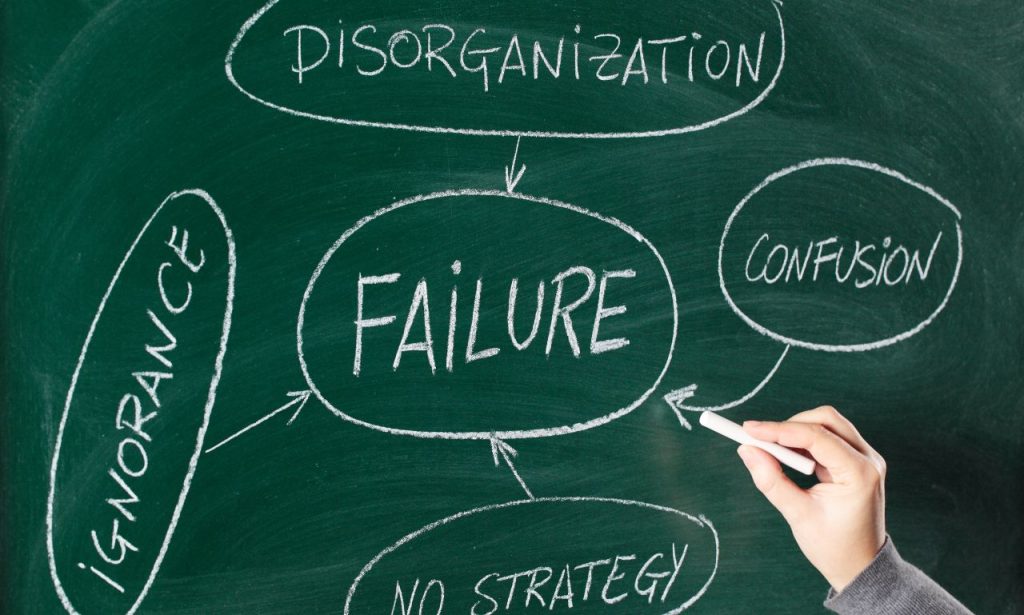
    What Causes Strategy Execution Failures in Companies?

    Have you ever watched a company announce an exciting new strategy only to see it quietly disappear months later?

    It happens more often than most people realize.

    Business leaders spend countless hours creating strategic plans. They hire consultants, conduct market research, and hold meetings to map out the future. Everything looks promising on paper. Then reality sets in. Deadlines get missed, teams lose focus, priorities shift, and the strategy fails to deliver the expected results.

    Here’s the surprising part. Most organizations do not fail because they have bad strategies. They fail because they struggle to execute them.

    So, what causes strategy execution failures in companies? The answer usually involves several factors working together. Communication breakdowns, leadership challenges, cultural barriers, and resource constraints often create a perfect storm that prevents success.

    Let’s explore why execution fails and what businesses can do to improve their chances of turning strategy into results.

    Understanding Strategy Execution and Why It Matters

    What Causes Strategy Execution Failures in Companies?

    What Is Strategy Execution in Business?

    Strategy execution is the process of transforming a company’s vision and goals into measurable actions and outcomes.

    Think about it this way. A strategy tells you where you want to go. Execution determines whether you actually get there.

    Many organizations create ambitious plans to increase revenue, improve customer experience, expand into new markets, or strengthen their competitive position. Those goals sound impressive. However, achieving them requires people, processes, systems, and resources working together toward the same objective.

    Without effective execution, strategy remains little more than a document sitting in a boardroom presentation.

    Companies that execute well create clarity across departments. Employees understand priorities, managers know what needs to be accomplished, and leaders can measure progress effectively. Every action supports the broader mission.

    Execution bridges the gap between ideas and results.

    The Difference Between Strategy Formulation and Strategy Execution

    Business leaders often use the terms strategy and execution interchangeably, but they represent two very different activities.

    Strategy formulation focuses on deciding what the organization wants to achieve. It involves analyzing competitors, understanding market trends, identifying opportunities, and setting long-term goals.

    Execution begins once those decisions have been made.

    At this stage, leaders must answer practical questions. Who is responsible? What resources are required? How will progress be measured? What obstacles might arise?

    Kodak provides a well-known example. The company recognized the importance of digital photography long before many competitors. Its strategic vision was accurate. Unfortunately, the organization struggled to execute the transition effectively. Internal resistance and slow implementation prevented Kodak from capitalizing on the opportunity.

    The lesson is simple. A smart strategy alone is not enough. Success depends on execution.

    The Most Common Causes of Strategy Execution Failures

    Poor Communication and Lack of Strategic Alignment

    One of the biggest reasons strategies fail is surprisingly simple: people do not fully understand them.

    Executives may spend months discussing strategic priorities, but employees on the front lines often receive little information about what those priorities mean for their daily work.

    As a result, departments start moving in different directions. Marketing focuses on growth, operations focuses on efficiency, and customer service prioritizes customer satisfaction. While each objective may seem reasonable, a lack of alignment creates confusion and inefficiency.

    Gallup research consistently shows that employees perform better when they understand organizational goals. When communication is unclear, engagement drops and execution suffers.

    Imagine joining a road trip without knowing the destination. You might keep moving, but chances are you’ll end up somewhere unexpected.

    The same thing happens inside organizations.

    Inadequate Resource Allocation and Competing Priorities

    Many companies fall into the trap of trying to accomplish too much at once.

    A new product launch gets announced. A digital transformation initiative begins. Expansion plans move forward. Meanwhile, leaders expect employees to maintain normal operations.

    Eventually, something has to give.

    Strategy execution requires more than ambition. It demands adequate resources, including funding, skilled personnel, technology, and time.

    Businesses frequently underestimate what successful implementation requires. Teams become overwhelmed, projects stall, and priorities compete for attention.

    Consider how many retailers struggled during the shift to e-commerce. Some companies recognized the importance of digital sales early. Yet without sufficient investment in technology and talent, their strategies never produced meaningful results.

    Execution improves when organizations focus on fewer priorities and commit resources accordingly.

    How Leadership and Organizational Culture Influence Execution Success

    Leadership Gaps That Prevent Strategic Goals from Being Achieved

    Leadership can make or break a strategy.

    Employees pay close attention to leadership behavior. When executives consistently reinforce strategic priorities, teams stay focused. When leaders send mixed messages, confusion spreads quickly.

    One common mistake involves chasing short-term results at the expense of long-term goals. A company may launch a strategic initiative only to abandon it when quarterly pressures emerge.

    Another issue is the lack of accountability. Some leaders set ambitious objectives but fail to establish clear ownership. Without accountability, important initiatives often lose momentum.

    Nokia’s decline in the smartphone market highlights this challenge. Analysts have pointed to leadership indecision and slow responses to industry changes as factors that contributed to the company’s struggles.

    Strong leaders keep organizations focused even when circumstances become difficult.

    How Company Culture Can Support or Undermine Execution

    Culture influences execution more than many organizations realize.

    You can have the best strategy in the world, but if employees resist change, progress becomes difficult.

    A healthy culture encourages collaboration, innovation, accountability, and continuous improvement. Employees feel comfortable sharing ideas and solving problems.

    On the other hand, a culture built on fear, bureaucracy, or rigid hierarchy often slows decision-making and discourages initiative.

    Microsoft’s transformation under Satya Nadella demonstrates the power of culture. By promoting a growth mindset and encouraging collaboration, the company created an environment that supported strategic change and innovation.

    Culture shapes how people behave when nobody is watching. That influence plays a major role in determining whether strategies succeed or fail.

    Warning Signs That a Company’s Strategy Is Failing

    Key Indicators of Strategy Execution Problems

    What Causes Strategy Execution Failures in Companies?

    Strategy execution problems rarely appear overnight.

    In most cases, warning signs emerge long before serious consequences become visible.

    Missed deadlines often provide the first clue. Teams consistently push back milestones, and projects take longer than expected.

    Employee confusion can also signal trouble. If workers struggle to articulate the company’s priorities, alignment may be lacking.

    Another indicator involves declining engagement. People become frustrated when objectives seem unclear or disconnected from daily responsibilities.

    Customer feedback offers additional insights. Rising complaints, lower satisfaction scores, and declining retention rates may indicate that strategic initiatives are not delivering the intended value.

    Successful leaders pay attention to these signals before they evolve into larger problems.

    The Financial and Operational Consequences of Failed Execution

    Poor execution creates consequences that extend far beyond missed targets.

    Financial performance often suffers first. Investments fail to generate expected returns, revenue growth slows, and profitability declines.

    Operational inefficiencies soon follow. Teams duplicate efforts, resources get wasted, and productivity decreases.

    Competitive position can weaken as well. While one company struggles to implement its strategy, competitors continue moving forward.

    Blockbuster provides a classic example. The company recognized changing consumer preferences but failed to execute an effective response. Netflix, meanwhile, successfully implemented its digital strategy and transformed the entertainment industry.

    Execution failures rarely remain isolated. They ripple throughout the organization.

    How Companies Can Improve Strategy Execution and Achieve Better Results

    Best Practices for Translating Strategy into Actionable Goals

    What Causes Strategy Execution Failures in Companies?

    Improving execution starts with clarity.

    Employees need to understand not only what the organization wants to achieve but also how their work contributes to those goals.

    Successful companies break large objectives into manageable actions. They establish realistic milestones, assign responsibilities, and communicate expectations clearly.

    Regular updates help maintain alignment. Instead of discussing strategy once a year, leaders revisit priorities consistently.

    Focus also matters. Organizations that concentrate on a handful of critical initiatives often outperform those trying to pursue dozens of objectives simultaneously.

    Here’s a useful question to consider. If you stopped ten employees in the hallway and asked about the company’s top priorities, would their answers match?

    If not, execution may already be at risk.

    Tools, Metrics, and Accountability Systems That Drive Execution Success

    Great execution requires visibility.

    Organizations need reliable ways to track progress, identify obstacles, and make adjustments when necessary.

    Key Performance Indicators (KPIs) provide measurable insights into strategic performance. Balanced scorecards help leaders monitor multiple objectives simultaneously.

    Project management platforms such as Asana, Monday.com, and Microsoft Project improve transparency and coordination across teams.

    Accountability systems are equally important. Every strategic initiative should have a clearly defined owner responsible for delivering results.

    Regular performance reviews create opportunities to address challenges before they escalate.

    Technology alone cannot solve execution problems. However, when combined with strong leadership and accountability, the right tools can significantly improve outcomes.

    Conclusion

    What causes strategy execution failures in companies? More often than not, the problem is not the strategy itself. The real challenge lies in turning plans into action.

    Poor communication, leadership gaps, cultural resistance, inadequate resources, and weak accountability all contribute to execution failures. Left unchecked, these issues can derail even the most promising initiatives.

    Organizations that succeed understand a simple truth. Strategy is important, but execution is where results are created.

    The next time your company launches a new strategic initiative, ask yourself a simple question: Does everyone know exactly what needs to happen next?

    The answer could determine whether the strategy becomes a success story or another forgotten plan.

    Also Read: How Do Companies Measure Operational Efficiency?

    FAQs

    Why do companies struggle with strategy execution?

    Many organizations fail to align employees, processes, and resources with strategic objectives, making implementation difficult.

    How can leaders improve strategy execution?

    Leaders can improve execution by communicating goals clearly, assigning ownership, tracking progress, and maintaining accountability.

    What role does organizational culture play in strategy execution?

    Culture influences employee behavior, collaboration, and adaptability, all of which directly affect execution success.

    How can businesses measure the success of strategy execution?

    Businesses commonly use KPIs, performance reviews, project milestones, and balanced scorecards to monitor progress and outcomes.

  • How Do Companies Measure Operational Efficiency?

    How Do Companies Measure Operational Efficiency?

    Every company wants to grow, but growth gets expensive when operations are messy. Sales may look good on paper, yet profits can shrink if teams waste time, inventory sits too long, or processes move slower than they should.

    Think of it like running a restaurant. You may have a full dining room every night, but if food waste is high, staff scheduling is poor, and customers wait too long, the business is not truly efficient. It is just busy.

    That is why operational efficiency matters. It shows how well a company uses its resources to create value. The goal is not to cut corners. The goal is to reduce waste, improve output, and protect quality at the same time.

    So, How Do Companies Measure Operational Efficiency? They look at financial metrics, operational KPIs, process performance, technology, and improvement strategies. The best companies do not guess. They measure, adjust, and keep improving.

    What Is Operational Efficiency and Why Does It Matter?

    Understanding Operational Efficiency in Modern Business

    How Do Companies Measure Operational Efficiency?

    Operational efficiency is the ability of a company to deliver products or services using the least possible waste. This includes money, labor, time, equipment, materials, and energy. A business is efficient when it produces strong results without draining unnecessary resources.

    Efficiency is often confused with productivity and effectiveness. Productivity measures how much work gets done. Effectiveness measures whether the right goal was achieved. Efficiency looks at how smoothly and wisely the work was completed.

    For example, two factories may produce 5,000 products in a week. If one factory uses fewer hours, less energy, and fewer rejected products, it is more efficient. The output is similar, but the resource use is better.

    This is why operational efficiency has become a critical business objective. Costs are rising, customers expect faster service, and competition is tougher than ever. A company that wastes resources today may struggle to survive tomorrow.

    The Impact of Operational Efficiency on Business Performance

    Operational efficiency affects almost every part of a business. When processes work well, costs usually go down. Companies spend less on overtime, wasted materials, rework, storage, and delays. Those savings can then support growth, marketing, technology, or better customer service.

    Customer satisfaction also improves. People may not care how a warehouse works, but they care when their order arrives late. Amazon became a powerful example of this. Its success is not just about selling products. It is also about fast fulfillment, smart logistics, and reliable delivery.

    Efficiency can also create a competitive advantage. A company with lower operating costs can price more competitively, move faster, and respond more quickly to market changes. In simple terms, it has more room to breathe.

    Profitability improves when companies reduce waste without reducing quality. That is the sweet spot. The business earns more from the same or even fewer resources.

    What Key Performance Indicators (KPIs) Do Companies Use to Measure Operational Efficiency?

    Financial Metrics That Reflect Operational Efficiency

    Financial metrics help leaders see whether operations are supporting profit or eating into it. One common metric is operating margin. It shows how much profit remains after deducting operating expenses from revenue. A higher operating margin usually means the company is controlling costs well.

    Cost per unit is another useful metric. It shows how much it costs to produce one product or deliver one service. If a company lowers cost per unit while maintaining quality, efficiency is improving.

    Return on assets, often abbreviated as ROA, measures how effectively a company uses its assets to generate profit. Assets may include machines, buildings, vehicles, software, or equipment. A strong ROA shows that the company is not letting valuable resources sit idle.

    Inventory turnover is especially important for retailers, manufacturers, and distributors. It shows how quickly stock is sold and replaced. High turnover often means inventory is moving well. Low turnover may suggest overstocking, poor demand planning, or slow sales.

    Working capital efficiency assesses how well a company manages its short-term cash. It considers cash, receivables, inventory, and short-term debts. If too much cash is tied up in unpaid invoices or excess stock, operations can become strained.

    Operational Metrics Used Across Industries

    Operational metrics show what is happening inside daily workflows. Cycle time measures how long it takes to complete a process from start to finish. A shorter cycle time often means work is moving faster and with fewer delays.

    Throughput measures how much work is completed in a set period. In manufacturing, it may refer to the number of units produced per hour. In customer service, it may mean tickets resolved per day. Higher throughput is helpful only when quality remains strong.

    Capacity utilization shows how much of a company’s available resources are being used. Low utilization may mean machines, staff, or space are underused. Very high utilization may sound good, but it can lead to burnout, breakdowns, or mistakes.

    First-pass yield measures how often work is done right the first time. This matters because rework is expensive. Toyota’s production system became famous partly because it focused heavily on reducing defects and improving quality at every step.

    Employee productivity rates help companies understand workforce output. This does not mean squeezing people dry. It means checking whether employees have the tools, training, and support needed to perform well.

    How Do Companies Evaluate Operational Processes and Performance?

    Process Analysis Methods Used to Identify Inefficiencies

    How Do Companies Measure Operational Efficiency?

    Metrics are useful, but they do not always show why a problem exists. That is where process analysis comes in. Companies use process mapping to show each step in a workflow visually. Once everything is mapped out, wasted steps become easier to spot.

    Workflow analysis examines how tasks move among people, departments, and systems. Many businesses discover that delays happen during handoffs. One team finishes its work, but the next team waits for approval, missing information, or access to a tool.

    Value stream mapping goes deeper by separating activities that create customer value from activities that do not. This method is common in Lean management. It helps companies ask a simple but powerful question: does this step actually help the customer?

    Bottleneck identification is another key method. A bottleneck is the slowest point in a process. It controls how fast everything else can move. Fixing one bottleneck can sometimes improve the entire operation.

    Lean process assessment helps companies find waste such as overproduction, waiting time, unnecessary movement, excess inventory, and avoidable errors. These issues may look small on their own, but together they can quietly drain profit.

    Benchmarking and Performance Comparisons

    Benchmarking helps companies understand whether their performance is strong, average, or poor. Internal benchmarking compares teams, departments, branches, or locations within the same company. If one branch serves customers faster, leaders can study what it is doing differently.

    Competitive benchmarking compares performance against other companies in the market. This can reveal gaps in pricing, delivery speed, customer service, production cost, or quality. It also helps leaders avoid operating in a bubble.

    Industry standards and best practices provide another useful point of comparison. A company may feel efficient internally but still fall behind industry leaders. Benchmarks help bring reality into the room.

    Setting realistic performance targets is just as important. A goal should stretch the team, but it should not be impossible. Unrealistic targets can damage morale and encourage shortcuts.

    The best companies use benchmarking as a learning tool, not a blame tool. The goal is to find better ways of working and then apply them consistently.

    What Tools and Technologies Help Measure Operational Efficiency?

    Business Intelligence and Data Analytics Solutions

    Modern companies rely heavily on data to measure operational efficiency. Business intelligence tools help turn raw information into useful insights. Instead of digging through spreadsheets all day, managers can view dashboards that clearly show performance.

    Dashboards and reporting tools track metrics such as sales, costs, cycle time, inventory, productivity, and customer service performance. When this data is easy to see, teams can respond faster.

    Real-time performance monitoring is especially useful in fast-moving industries. A logistics company, for example, can track delivery delays as they happen. A manufacturer can monitor machine downtime before it disrupts production.

    Predictive analytics helps companies look ahead. It uses past data to forecast demand, equipment failure, staffing needs, or supply chain risks. This gives leaders time to act before problems become expensive.

    Data-driven decision-making reduces guesswork. Instead of saying, “I think this process is slow,” leaders can say, “The data shows this step adds two extra days.” That changes the conversation completely.

    Automation and Enterprise Management Systems

    Automation helps companies measure and improve efficiency by reducing manual work. Enterprise resource planning systems, commonly called ERP systems, connect departments such as finance, inventory, procurement, production, and human resources. This gives leaders a clearer view of operations.

    Customer relationship management platforms, or CRMs, help companies track sales activity, customer interactions, service issues, and follow-ups. When customer data is organized, teams waste less time searching for information.

    Manufacturing execution systems, known as MES tools, are valuable in production environments. They track what happens on the factory floor, including machine performance, production output, downtime, and quality issues.

    Workflow automation software helps remove repetitive tasks. For example, approvals, reminders, reporting, and data entry can often be automated. This saves time and reduces human error.

    AI-powered operational monitoring is also growing quickly. AI can detect unusual patterns, flag risks, and suggest improvements. It does not replace human judgment, but it can help teams see problems earlier.

    How Can Companies Improve Operational Efficiency After Measuring It?

    Strategies for Increasing Efficiency Across Departments

    How Do Companies Measure Operational Efficiency?

    Once a company measures efficiency, the next step is improvement. Lean management principles are often used to reduce waste and focus on activities that create customer value. This approach encourages teams to simplify processes and remove unnecessary steps.

    Six Sigma methodologies focus on reducing defects and variation. Companies use Six Sigma to improve quality, lower error rates, and create more predictable results. It is especially useful in industries where mistakes are costly.

    Workforce training and development also matter. A company can buy the best software in the world, but poorly trained employees will still struggle. Training helps people work faster, make better decisions, and spot issues before they grow.

    Resource allocation optimization ensures that people, money, tools, and equipment are used where they create the most value. Some teams may be overloaded while others are underused. Good resource planning brings better balance.

    Continuous process improvement keeps efficiency from becoming a one-time project. Small improvements, made regularly, can create major long-term gains. It is like fitness. One workout helps, but consistency changes everything.

    Common Challenges and Best Practices for Sustained Efficiency

    Improving efficiency sounds simple until people have to change how they work. Resistance to change is one of the biggest challenges. Employees may worry that new systems will make their jobs harder or less secure.

    Maintaining data accuracy is another issue. Poor data leads to poor decisions. If inventory numbers are wrong or employee productivity is measured unfairly, leaders may fix the wrong problem.

    Companies also need to balance efficiency with quality. Cutting costs too aggressively can hurt customer experience. Nobody wants faster service if it comes with more mistakes.

    Creating a culture of continuous improvement helps solve this. Employees should feel encouraged to suggest better ways of working. Often, the person closest to the process knows exactly where the waste is hiding.

    Regular performance reviews and KPI tracking keep progress on course. Companies should review results, discuss lessons learned, and update goals as needed. Efficiency is not a finish line. It is a habit.

    Conclusion

    How Do Companies Measure Operational Efficiency? They measure it by looking at the numbers, studying the processes, comparing performance, and using technology to uncover what is really happening.

    The strongest businesses do not rely on guesswork. They track operating margin, cost per unit, cycle time, throughput, inventory turnover, employee productivity, and other key metrics. Then they use those insights to improve workflows, reduce waste, and better serve customers.

    Operational efficiency is not about doing everything cheaper. It is about doing the right things better. When a company gets that balance right, growth becomes easier, profits become stronger, and customers feel the difference.

    If your business were to review its operations today, what would it find? A small bottleneck? A costly delay? A process everyone complains about, but nobody fixes? Start there. That is usually where the biggest opportunity is hiding.

    Also Read: What Causes Strategy Execution Failures in Companies?

    FAQs

    What is operational efficiency?

    Operational efficiency is the ability to deliver products or services using the least waste, time, money, and resources.

    What is the best KPI for measuring operational efficiency?

    Operating margin is one of the best KPIs because it shows how well a company controls costs while generating revenue.

    Why do companies measure operational efficiency?

    Companies measure it to reduce waste, improve productivity, increase profits, and deliver better customer experiences.

    How often should operational efficiency be measured?

    Most companies track important efficiency metrics continuously and review deeper performance trends monthly or quarterly.

    Can small businesses measure operational efficiency?

    Yes. Small businesses can measure cycle time, cost per unit, employee productivity, inventory turnover, and customer response time.

  • What Processes Should Small Businesses Automate First?

    What Processes Should Small Businesses Automate First?

    Running a small business often feels like spinning plates. One moment you’re answering customer emails, the next you’re chasing invoices, posting on social media, or scheduling appointments. As the business grows, those repetitive tasks begin to consume valuable hours that could be spent on strategy, sales, or customer relationships.

    This is where automation becomes a game-changer.

    Large corporations have used automation for decades, but modern technology has made it accessible to businesses of every size. According to a report from Zapier, more than 90% of knowledge workers say automation improves their jobs, while many small businesses report significant time savings after automating routine processes.

    So, What Processes Should Small Businesses Automate First? The answer isn’t every process. Smart business owners focus on the tasks that are repetitive, time-consuming, and prone to human error. Let’s explore where automation delivers the fastest wins and the highest return on investment.

    How Automation Helps Small Businesses Save Time and Reduce Costs

    What Processes Should Small Businesses Automate First?

    Time is one of the most expensive resources in any business. Every hour spent manually entering data or sending repetitive emails is an hour that cannot be invested in growth.

    Automation removes many of those repetitive activities. Instead of manually generating invoices every month, software can automatically create and send them. Rather than spending hours scheduling appointments, an online booking system can handle the process around the clock.

    Cost savings also come from reducing mistakes. A typo in payroll, a missed follow-up email, or an overlooked invoice can create unnecessary expenses. Automated systems help maintain consistency and accuracy.

    Consider a small accounting firm that automates appointment scheduling and client reminders. Staff members spend less time answering scheduling calls and more time serving clients. The result is often increased productivity without hiring additional employees.

    Signs Your Business Is Ready to Automate Repetitive Tasks

    Many business owners wonder if they’re too small for automation. In reality, certain warning signs indicate it’s time to start.

    One common sign is when employees repeatedly perform the same task every day. Another indicator is frequent errors caused by manual processes. Customer complaints about delayed responses can also point to inefficient workflows.

    You may also notice growth slowing because administrative work consumes too much attention. If you’re spending evenings catching up on paperwork instead of planning future opportunities, automation deserves serious consideration.

    Ask yourself a simple question: if a task follows the same steps every time, could software handle it? Often, the answer is yes.

    Customer-Facing Processes Small Businesses Should Automate First

    Customer experience plays a major role in business success. Quick responses, smooth communication, and reliable service help build trust.

    Fortunately, many customer-facing processes are ideal candidates for automation.

    Automating Customer Service, Support Requests, and Follow-Ups

    Customers expect fast answers. Research from HubSpot consistently shows that response speed directly affects customer satisfaction and conversion rates.

    Automation can support customer service without removing the human touch. Chatbots can answer common questions, direct visitors to resources, and collect information before a representative gets involved.

    Support ticket systems automatically categorize requests and route them to the correct team member. Follow-up emails can be triggered after purchases, support interactions, or consultations.

    A small e-commerce store, for example, can automatically send shipping updates, delivery confirmations, and feedback requests. Customers stay informed while the business reduces manual communication tasks.

    Streamlining Lead Generation, Appointment Scheduling, and Sales Communications

    Lead management often becomes chaotic as businesses grow. Prospective customers submit inquiries through websites, social media, and email channels.

    Automation helps organize everything.

    Lead capture forms can automatically send information to a CRM system. New prospects receive welcome emails immediately, even outside business hours. Appointment scheduling software eliminates endless back-and-forth emails about availability.

    Sales communication can also benefit. Automated email sequences nurture leads with valuable information until they’re ready to buy.

    Think about a local marketing agency. Instead of manually responding to every inquiry, an automated workflow can qualify leads, schedule consultations, and provide introductory materials before the first meeting.

    Administrative and Back-Office Tasks That Deliver Quick Automation Wins

    Back-office processes rarely receive much attention, yet they consume a surprising amount of time.

    Automating these functions often produces immediate operational improvements.

    Automating Invoicing, Payroll, Expense Tracking, and Bookkeeping

    Financial administration is one of the easiest areas to automate.

    Modern accounting platforms can generate invoices automatically, send payment reminders, and record transactions in real time. This reduces late payments while improving cash flow visibility.

    Payroll automation ensures employees are paid accurately and on schedule. Tax calculations, deductions, and reporting become far simpler.

    Expense tracking tools allow receipts to be scanned and categorized automatically. Instead of sorting piles of paperwork at month-end, business owners can access organized financial records whenever needed.

    Many small business owners report that bookkeeping automation alone saves several hours every week. Over a year, that time adds up significantly.

    Simplifying Data Entry, Document Management, and Internal Workflows

    Few employees enjoy manual data entry. It is repetitive, time-consuming, and error-prone.

    Automation tools can transfer information between applications automatically. Customer details entered into a website form can instantly populate CRM systems, accounting software, and project management platforms.

    Document management also becomes easier. Contracts, invoices, and employee records can be stored, categorized, and retrieved electronically.

    Internal workflows benefit as well. Approval processes, task assignments, and status updates can move automatically from one stage to the next.

    The result is less administrative friction and greater efficiency across the organization.

    Marketing and Sales Processes That Benefit Most from Automation

    Marketing requires consistency. Sales require follow-up. Both become difficult when handled manually.

    Automation helps businesses maintain momentum without increasing workload.

    Using Automation for Email Marketing, Social Media, and Customer Nurturing

    Email marketing remains one of the highest-return marketing channels available. Yet sending individual messages manually is unrealistic.

    Automated campaigns allow businesses to welcome subscribers, educate prospects, and re-engage customers based on behavior.

    Social media scheduling tools help maintain a regular posting schedule. Content can be planned weeks in advance while engagement data is tracked automatically.

    Customer nurturing becomes more effective when messages arrive at the right time. Someone who downloads a guide today may receive educational content tomorrow and a product offer next week.

    This approach keeps businesses visible without requiring constant manual effort.

    Managing Sales Pipelines, CRM Activities, and Lead Tracking Automatically

    Many sales opportunities are lost because follow-ups are forgotten.

    CRM automation solves this challenge by tracking interactions and triggering reminders. Sales representatives know exactly when to contact prospects and what actions have already occurred.

    Lead scoring can automatically identify high-potential opportunities. Rather than treating every prospect equally, businesses can prioritize those most likely to convert.

    A real estate agency, for instance, can automate property alerts, follow-up emails, and appointment reminders. Agents spend more time building relationships and less time managing spreadsheets.

    How to Successfully Implement Automation Without Overcomplicating Your Business

    What Processes Should Small Businesses Automate First?

    Automation should simplify operations, not create unnecessary complexity.

    Success comes from thoughtful implementation rather than chasing every available tool.

    Choosing the Right Processes and Tools Based on Business Needs

    The best automation strategy begins with identifying bottlenecks.

    Start by examining tasks that consume substantial time or frequently cause frustration. Focus on one or two processes before expanding further.

    Choose tools that integrate well with existing systems. User-friendly platforms often outperform feature-heavy solutions that employees struggle to adopt.

    Before investing heavily, test automation on a small scale. Measure time savings, error reduction, and overall efficiency improvements.

    Remember, the goal is not to automate everything. The goal is to automate the right things.

    Common Automation Mistakes Small Businesses Should Avoid

    What Processes Should Small Businesses Automate First?

    One common mistake is automating a broken process. Technology cannot fix an inefficient workflow; it simply accelerates it.

    Another issue is the complete removal of human interaction. Customers still value personal attention, especially when dealing with complex concerns.

    Businesses sometimes purchase too many tools without considering integration requirements. This creates disconnected systems and unnecessary complexity.

    Lack of employee training can also limit results. Even the best software requires proper implementation and ongoing support.

    Finally, avoid expecting instant transformation. Automation delivers meaningful benefits, but successful adoption takes planning, testing, and refinement.

    Conclusion

    If you’re asking, “What Processes Should Small Businesses Automate First?” start with tasks that are repetitive, time-consuming, and essential to daily operations.

    Customer service workflows, lead management, invoicing, payroll, bookkeeping, marketing campaigns, and CRM activities often provide the quickest returns. These areas reduce administrative burdens while improving customer experiences and business performance.

    The most successful small businesses don’t automate everything overnight. They begin with a few high-impact processes, measure results, and expand gradually.

    What task consumes the most time in your business today? That question may reveal the perfect place to start your automation journey.

    Also Read: What Are the Most Common Cash Flow Mistakes Small Businesses Make?

    FAQs

    1. Is automation expensive for small businesses?

    Not necessarily. Many automation tools offer affordable plans designed specifically for small businesses.

    2. Can automation replace employees?

    Automation typically handles repetitive tasks, allowing employees to focus on higher-value work rather than replacing them.

    3. How do I know which process to automate first?

    Start with tasks that consume significant time, lead to frequent errors, or slow down customer service.

    4. What is the biggest benefit of business automation?

    The biggest advantage is increased efficiency, which helps businesses save time, reduce costs, and improve customer experiences.

  • What Are the Most Common Cash Flow Mistakes Small Businesses Make?

    What Are the Most Common Cash Flow Mistakes Small Businesses Make?

    Running a small business often feels like a balancing act. Sales may be growing, customers may be happy, and new opportunities may be appearing every month. Yet many business owners still struggle to pay suppliers, cover payroll, or invest in growth.

    The reason usually comes down to cash flow.

    According to a U.S. Bank study frequently cited in small-business research, cash flow problems contribute to many businesses’ failures. While revenue is important, cash is what keeps the lights on and the doors open.

    So, what are the most common cash flow mistakes small businesses make? More importantly, how can they avoid them?

    Let’s look at the mistakes that repeatedly cause problems and the practical steps business owners can take to stay financially healthy.

    What Is Cash Flow and How Does It Impact Business Operations?

    What Are the Most Common Cash Flow Mistakes Small Businesses Make?

    Cash flow refers to the movement of money into and out of a business. Money coming in includes customer payments, loans, and investments. Money going out covers expenses such as payroll, rent, inventory, taxes, and utilities.

    Think of cash flow as the fuel in a vehicle. A business may have a powerful engine and a clear destination, but it cannot move forward without fuel. Similarly, companies need sufficient cash to maintain daily operations.

    Strong cash flow allows business owners to pay employees on time, purchase inventory, invest in marketing, and respond to unexpected opportunities. Weak cash flow creates stress and often forces difficult decisions.

    Many entrepreneurs focus heavily on sales figures. Revenue certainly matters, but it only tells part of the story. A business can generate impressive sales and still experience serious financial strain if cash does not arrive when needed.

    Cash Flow vs. Profit: Why Profitable Businesses Still Run Out of Money

    One of the biggest misconceptions among small business owners is assuming profit and cash flow mean the same thing.

    Profit is what remains after expenses are deducted from revenue. Cash flow measures when money actually enters and leaves the business.

    Consider a contractor who completes a $50,000 project. On paper, the job may generate a healthy profit. However, if the client takes 90 days to pay, the contractor still needs enough cash to cover employee wages, equipment costs, and operating expenses during that period.

    This situation happens more often than many people realize.

    Even successful companies can face financial trouble when cash inflows and outflows are poorly timed. Understanding this difference is the first step toward better financial management.

    What Are the Most Common Cash Flow Mistakes Small Businesses Make?

    Failing to Monitor Cash Flow Regularly and Relying on Guesswork

    Many small business owners know their products inside and out. Financial tracking, however, often gets pushed aside until a problem appears.

    Relying on bank account balances or gut feelings can be dangerous. Money in the account today does not necessarily reflect future obligations.

    A common scenario involves receiving a large payment and assuming everything is fine. Then payroll, taxes, rent, and supplier invoices arrive simultaneously. Suddenly, cash becomes tight.

    Successful business owners review cash flow regularly. They know what payments are expected, what bills are due, and how much cash will likely remain in the coming weeks.

    Numbers tell a story. When those numbers are ignored, unpleasant surprises usually follow.

    Poor Invoice Management, Late Payments, and Weak Accounts Receivable Processes

    Getting paid late is one of the most frustrating challenges for small businesses.

    A survey by QuickBooks found that late payments continue to affect a large percentage of small businesses worldwide. Delayed invoices often create a domino effect that impacts payroll, vendor payments, and growth plans.

    Some businesses wait too long to send invoices. Others fail to follow up when payments become overdue.

    Strong invoicing systems reduce these risks. Invoices should be sent promptly, payment terms should be clear, and follow-ups should happen consistently.

    Many companies now use automated accounting software to send reminders and track outstanding balances. These tools save time and help improve cash collection rates.

    If customers routinely pay late, it may be worth reviewing payment policies or offering incentives for early payments.

    Financial Planning Mistakes That Create Cash Flow Problems

    Overestimating Future Revenue and Underestimating Business Expenses

    Optimism is often one of an entrepreneur’s greatest strengths. Unfortunately, it can also become a financial weakness.

    Many business owners build budgets based on best-case scenarios. They expect sales targets to be achieved quickly and expenses to remain stable.

    Reality rarely follows a perfect script.

    Economic changes, seasonal slowdowns, supplier price increases, and unexpected repairs can affect financial performance. Businesses that overestimate revenue frequently spend money before it actually arrives.

    A more practical approach involves creating conservative forecasts. Planning for moderate growth while accounting for potential setbacks creates a stronger financial foundation.

    Experienced business owners know it is better to be pleasantly surprised than financially shocked.

    Inadequate Cash Reserves and Lack of Emergency Funds

    Unexpected expenses are not a question of if but when.

    Equipment breaks down. Major customers delay payments. Economic conditions shift without warning.

    Businesses without cash reserves often struggle during these situations. They may be forced to borrow money at unfavorable rates or delay important payments.

    Financial experts commonly recommend maintaining several months of operating expenses in reserve whenever possible.

    Building an emergency fund takes time, especially for newer businesses. Still, setting aside a small percentage of profits consistently can create a valuable safety net.

    When challenges arise, those reserves can make the difference between a temporary setback and a major crisis.

    Operational Mistakes That Drain Business Cash

    Poor Inventory Management and Overstocking Products

    What Are the Most Common Cash Flow Mistakes Small Businesses Make?

    Inventory ties up cash.

    Every product sitting on a shelf represents money that could potentially be used elsewhere. Overstocking creates storage costs and increases the risk of damaged or obsolete inventory.

    Retailers often experience this problem. A business owner may purchase large quantities to secure discounts, only to discover customer demand was lower than expected.

    Meanwhile, cash remains locked in unsold products.

    Effective inventory management focuses on maintaining the right balance. Modern inventory software can help businesses track demand patterns, reduce waste, and improve purchasing decisions.

    Before placing large orders, business owners should ask a simple question: How quickly will this inventory turn into cash?

    Excessive Debt, Uncontrolled Spending, and Unnecessary Overhead Costs

    Debt can support growth when used strategically. Problems arise when businesses borrow excessively or spend without careful evaluation.

    Many companies gradually accumulate recurring expenses. Extra software subscriptions, premium services, unnecessary office space, and nonessential equipment can quietly drain cash month after month.

    Small leaks eventually sink ships.

    Regular expense reviews help identify costs that no longer provide meaningful value. Cutting unnecessary spending improves cash flow without requiring additional sales.

    Business owners should periodically examine every recurring expense and determine whether it directly supports revenue generation or operational efficiency.

    How Small Businesses Can Improve Cash Flow Management

    Building Accurate Cash Flow Forecasts and Financial Reports

    What Are the Most Common Cash Flow Mistakes Small Businesses Make?

    Cash flow forecasting gives business owners visibility into future financial conditions.

    A forecast estimates expected cash inflows and outflows over the upcoming weeks or months. While forecasts are never perfect, they help identify potential shortages before they become emergencies.

    For example, a forecast may reveal a cash shortfall expected in two months. Armed with that information, a business owner can reduce expenses, accelerate collections, or arrange financing in advance.

    Financial reports also provide valuable insights. Profit and loss statements, balance sheets, and cash flow statements help business owners make informed decisions based on facts rather than assumptions.

    Would you rather discover a problem today or three months from now? Most entrepreneurs know the answer immediately.

    Best Practices for Maintaining Healthy Cash Flow and Long-Term Growth

    Strong cash flow management is built on consistent habits.

    Business owners should monitor financial performance regularly, invoice customers promptly, control expenses carefully, and maintain emergency reserves whenever possible.

    Technology can also play a significant role. Cloud accounting platforms provide real-time visibility into cash flow, helping owners identify trends before they become serious problems.

    Communication matters as well. Maintaining strong relationships with customers, suppliers, and lenders can create flexibility during challenging periods.

    The businesses that thrive over the long term are rarely the ones making the most sales. More often than not, they are the ones managing cash most effectively.

    Conclusion

    Understanding what the most common cash flow mistakes small businesses make can help business owners avoid costly setbacks and build a more resilient company.

    Many cash flow problems stem from preventable issues such as poor forecasting, late payments, excessive spending, weak inventory management, and inadequate cash reserves. While these challenges are common, they are far from insurmountable.

    Take a moment to evaluate your current cash flow practices. Are you tracking cash regularly? Do you know what your financial position will look like next month?

    Small improvements made today can create significant financial stability tomorrow. In business, cash is not just another metric. It is the resource that keeps everything moving forward.

    Also Read: What Processes Should Small Businesses Automate First?

    FAQs

    1. What is the biggest cash flow mistake small businesses make?

    Failing to monitor cash flow regularly is often the biggest mistake because it prevents business owners from identifying problems early.

    2. Can a profitable business have cash flow problems?

    Yes. A company can be profitable on paper yet still lack sufficient cash to cover daily expenses due to delayed customer payments.

    3. How much cash reserve should a small business have?

    Many financial experts recommend maintaining enough reserves to cover three to six months of operating expenses.

    4. Why do late customer payments hurt cash flow?

    Late payments delay incoming cash while expenses continue, making it harder to pay bills and manage operations.

    5. How can small businesses improve cash flow quickly?

    Improving invoicing processes, reducing unnecessary expenses, and collecting outstanding payments faster can help strengthen cash flow.